Expert Guide to Maintaining Vinyl Siding for Long-Lasting Durability

180 Contractors • May 24, 2025
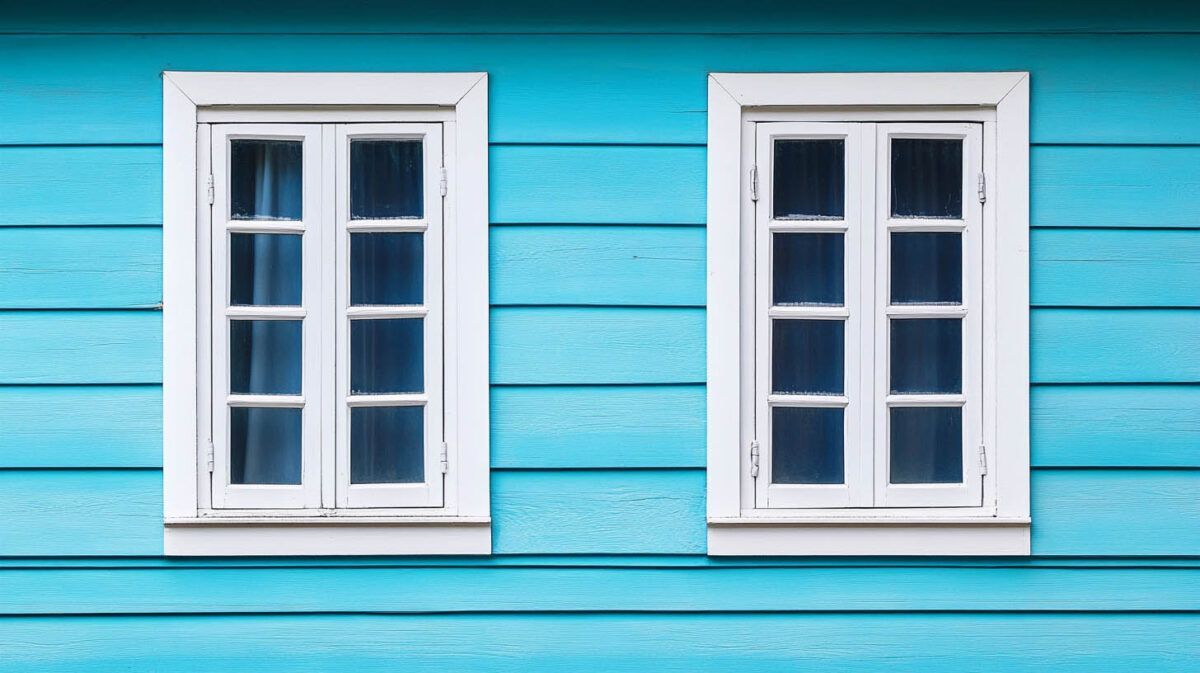
Two white-framed windows on a bright turquoise wooden wall

Importance of Proper Vinyl Siding Maintenance

Vinyl siding is a durable and cost-effective exterior solution that enhances a home’s curb appeal and provides long-term protection against weather and environmental factors. While vinyl siding is designed for minimal maintenance, routine care is essential to preserve its structural integrity, color vibrancy, and resistance to mold, dirt, and damage. Implementing proper cleaning, inspection, and repair techniques ensures that siding remains in excellent condition for decades.


Cleaning Vinyl Siding for a Fresh Appearance

Best Practices for Regular Cleaning

Dirt, pollen, and mildew can accumulate on siding over time, diminishing its appearance. Routine cleaning prevents buildup and extends the material’s lifespan. The recommended approach includes:

  • Using a garden hose and soft brush: A low-pressure water spray effectively removes most surface dirt. For stubborn stains, a soft-bristle brush with mild soap and water is ideal.
  • Avoiding high-pressure washing: While pressure washers may seem efficient, excessive force can force water behind the siding, leading to mold growth and structural issues.
  • Applying a vinegar solution for mold and mildew: A 70:30 water-to-vinegar mix effectively removes mold stains without damaging the siding’s finish.
  • Cleaning frequency based on environment: Homes in dusty or humid areas may require more frequent cleaning—typically once or twice a year—to maintain appearance and prevent long-term damage.


Stain and Paint Removal Techniques

Unwanted paint splatters or stains can be removed without damaging the siding. Steps include:

  1. Scraping with a plastic tool: Gently remove dried paint with a plastic scraper.
  2. Applying a vinyl-safe paint remover: Use manufacturer-recommended products to avoid discoloration or damage.
  3. Testing in an inconspicuous area: Always check how the solution interacts with the siding before applying it widely.
  4. Rinsing thoroughly: Use clean water to remove residue after stain removal.


Protecting Siding from Weather and Environmental Damage

Preventing UV Fading and Discoloration

Modern vinyl siding is designed with UV-resistant coatings to minimize fading. However, prolonged sun exposure can lead to gradual discoloration. Preventative measures include:

  • Choosing high-quality UV-resistant siding: Investing in premium products ensures long-lasting color retention.
  • Installing awnings or landscaping strategically: Providing shade with trees or structures reduces direct sunlight exposure.
  • Cleaning regularly to remove pollutants: Airborne contaminants can accelerate fading, making routine maintenance essential.


Wind and Impact Resistance

Siding is engineered to withstand extreme conditions, but improper installation or aging materials can leave it vulnerable. Key considerations include:

  • Using siding rated for high winds: Certain vinyl siding options can withstand winds up to 200 mph, providing superior protection.
  • Ensuring proper installation: Professional installation prevents loose panels and gaps that allow wind penetration.
  • Inspecting after storms: Checking for loose or cracked siding following severe weather helps prevent costly repairs.


Common Mistakes to Avoid in Siding Maintenance

Painting Over Vinyl Siding

While some homeowners attempt to refresh siding by painting, this approach often leads to problems:

  • Mismatched expansion rates: Vinyl expands and contracts with temperature changes, while paint does not, leading to cracking and peeling.
  • Voiding manufacturer warranties: Many siding warranties become invalid if the material is painted.
  • Better alternatives exist: Replacing outdated or faded siding with modern, fade-resistant options eliminates the need for painting.


Using Harsh Cleaning Chemicals

Certain chemicals can degrade siding over time. Avoid:

  • Bleach without dilution: Undiluted bleach can cause discoloration and weaken the material.
  • Abrasive scrubbers: Steel wool or rough brushes can scratch the surface.
  • Solvent-based cleaners: Products containing acetone or ammonia can strip protective coatings.


Maximizing the Lifespan of Vinyl Siding

How Long Does Vinyl Siding Last?

High-quality vinyl siding can last 30 to 50 years, with some premium options extending beyond 60 years with proper care. Factors influencing longevity include:

  • Material quality: Investing in reputable brands ensures durability and resistance to fading, cracking, and impact damage.
  • Environmental conditions: Homes in mild climates typically see longer-lasting siding than those exposed to extreme temperature fluctuations.
  • Maintenance consistency: Regular cleaning and inspections prevent premature aging and structural issues.


Cost Comparison: Vinyl vs. Other Siding Materials

Vinyl siding remains a cost-effective exterior solution compared to other materials:

Siding Type Initial Cost per Sq. Ft. Maintenance Requirements Lifespan
Vinyl $3 – $7 Minimal cleaning required 30 – 50 years
Wood $7 – $12 Frequent painting/staining 20 – 40 years
Fiber Cement $5 – $10 Painting required every 10-15 years 30 – 50 years
Brick $10 – $20 Virtually maintenance-free 50+ years

Vinyl siding offers the best balance between affordability, durability, and low maintenance, making it a popular choice for homeowners seeking long-term value.


Professional Installation and Maintenance Services

Selecting a trusted contractor ensures optimal siding performance. 180 Contractors Roofing & Siding, located in Waterford, MI, specializes in high-quality siding solutions. The company is BBB A+ accredited, Guildmaster (GuildQuality) certified, INC 5000 recognized, Google Guaranteed, and ranked in the Qualified Remodeler Top 100 Satisfaction list. Working with leading brands such as James Hardie, Alside, and Everlast, the company guarantees superior craftsmanship and customer satisfaction.


Conclusion

Proper maintenance enhances the longevity and aesthetic appeal of vinyl siding. Regular cleaning, weather protection, and professional inspections prevent damage and costly repairs. Investing in high-quality materials and expert installation ensures a home’s exterior remains resilient and visually appealing for decades.


FAQs

1. How often should vinyl siding be cleaned?

Vinyl siding should be cleaned at least once a year. Homes in high-pollution or humid areas may require cleaning twice a year to prevent dirt buildup and mold growth.


2. Can vinyl siding be pressure washed?

Low-pressure washing can be used, but high-pressure settings should be avoided to prevent water from seeping behind the panels, which could cause mold and structural issues.


3. What is the best way to remove mold and mildew from siding?

A vinegar and water solution (70:30 ratio) is an effective and eco-friendly way to remove mold and mildew without damaging the siding.


4. Does vinyl siding need to be painted?

Painting vinyl siding is not recommended, as it can lead to peeling, cracking, and voiding manufacturer warranties. Instead, replacing outdated siding with modern UV-resistant options is a better solution.


5. What are the signs that vinyl siding needs to be replaced?

Signs that siding may need replacement include cracks, warping, excessive fading, water damage, and loose panels that no longer provide a secure fit.


Read also our blog: Reinforce Your Home with Durable, High-Performance Siding

GET A FREE QUOTE

Share this article

Recent Posts

Aerial view of a large blue-gray house with dormer windows and a landscaped yard in autumn
By 180 Contractors May 14, 2026
Your roof works silently year after year, shielding your home from rain, wind, sun, and snow. But like every part of your home, it doesn’t last forever. The key is knowing when repair is no longer enough—and a full roof replacement is the smarter, safer move. For homeowners in Bloomfield Hills, MI, where intense season
Rainwater pouring from a house roof and gutter during a storm
By 180 Contractors April 13, 2026
Michigan weather can be tough on homes, especially when it comes to your roof. From heavy snow in the winter to strong thunderstorms in the summer, each season brings conditions that can wear down roofing materials over time. Knowing how these storms affect your roof can help you catch problems early and avoid more ser
Snow piled on a dark shingled roof, with scattered patches of snow across the surface.
By 180 Contractors March 3, 2026
If you’ve lived through a Michigan winter, you know your roof takes a beating. Between heavy snowfall, freezing rain, fluctuating temperatures, and strong winds, winter weather can quietly wear down even a well-built roofing system. By the time spring arrives, many homeowners are surprised to learn that damage has alre