Factors That Determine the Cost of James Hardie Siding Installation

180 Contractors • March 21, 2025
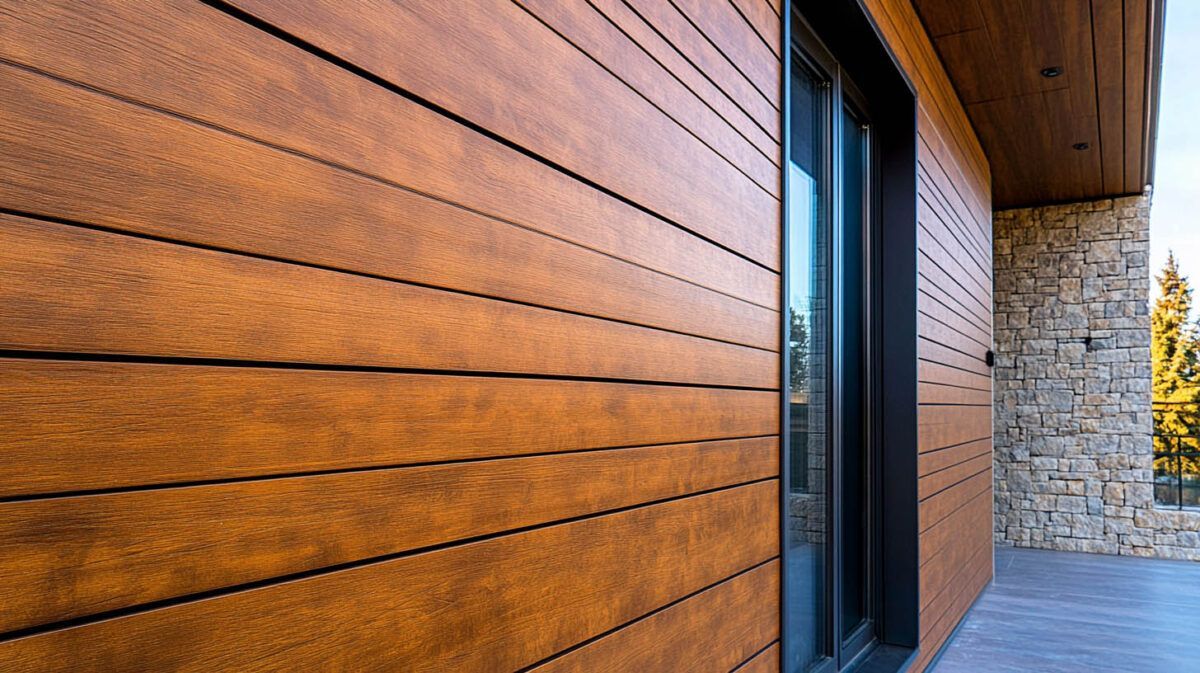
Wood-clad building exterior with a glass door, stone wall, and paved walkway

Choosing James Hardie siding is a long-term investment in a home’s durability, energy efficiency, and curb appeal. While it is one of the most sought-after fiber cement siding brands on the market, several factors influence the total cost of installation. Understanding these elements allows homeowners to make informed decisions and budget effectively.


1. Key Factors Affecting the Cost of James Hardie Siding

Square Footage and Home Size

The overall cost of siding installation is largely determined by the size of the home. Larger homes require more materials, labor, and time to complete the project.


Cost Considerations:

  • Homes with multiple stories require scaffolding and additional labor, increasing costs.
  • Homes with larger surface areas need more fiber cement panels and trim materials.
  • Complex layouts with intricate architectural details may require more precise cuts and custom fits, extending installation time.


Siding Style and Design Choices

James Hardie offers a variety of siding styles, each with a different price point. The more intricate or premium the siding, the higher the cost.

Siding Style Average Cost Per Square Foot Features
HardiePlank Lap Siding $6 – $12 Classic horizontal siding, versatile and widely used
HardiePanel Vertical Siding $8 – $14 Modern and contemporary look, used for accent walls
HardieShingle Siding $9 – $16 Mimics cedar shingles, adds texture and charm
Hardie Artisan Siding $12 – $20 High-end, deeper shadow lines for luxury homes

The final cost depends on whether homeowners choose traditional lap siding, vertical panels, or artisan-style materials.


Color and Finish Options

James Hardie siding comes in two primary finish types: ColorPlus Technology and primed for painting.

  • ColorPlus Technology: Factory-applied finish that resists fading, chipping, and peeling. It costs more upfront but reduces long-term maintenance expenses.
  • Primed Boards: Pre-primed siding that requires painting after installation. While initially cheaper, it requires repainting every 7-10 years.


Additionally, specialty colors that are not readily stocked require custom ordering, increasing costs and lead times.


Labor and Installation Complexity

Fiber cement siding is heavier than vinyl or wood, requiring skilled labor for proper installation. The complexity of the job influences overall costs:

  • Weight and Thickness: Hardie siding requires at least two installers per panel, adding to labor costs.
  • Cutting and Handling: Special saws and techniques are needed to cut fiber cement accurately.
  • Nailing and Sealing: Proper fastening and sealing are crucial to prevent water infiltration and maintain the siding’s lifespan.


Removal of Existing Siding and Prep Work

Before James Hardie siding can be installed, old siding must be removed. Any damage to the sheathing or underlayment will need repairs, impacting the total cost.


Common Issues That Require Repair:

  • Wood Rot and Moisture Damage – Affects underlying structures and requires replacement.
  • Pest Infestations – Termites or carpenter ants may have weakened wooden components.
  • Insulation Upgrades – Adding an extra layer of insulation can enhance energy efficiency.


Additional Features and Trim Work

James Hardie offers trim, soffits, and fascia options that enhance the home’s aesthetic and durability. Choosing high-end trims adds to material and labor costs.

  • HardieTrim Boards – Used to frame windows, doors, and corners for a polished look.
  • Soffits and Fascia – Protect roof overhangs and provide ventilation.
  • Decorative Accents – Custom features such as board-and-batten panels or staggered-edge shingles increase design appeal but also affect pricing.


2. Comparing James Hardie Siding to Other Materials

Homeowners considering fiber cement siding often compare it to other popular siding materials. James Hardie siding offers superior longevity and performance, but it does come at a higher price.

Siding Material Average Cost Per Square Foot Lifespan Maintenance Durability
Vinyl Siding $4 – $8 20-30 years Low Moderate
Wood Siding $8 – $15 15-25 years High Prone to rot, pests
Fiber Cement (James Hardie) $6 – $1 50+ years Low Highly durable
Brick Veneer $12 – $25 75+ years Low Extremely durable
Stucco $8 – $20 50+ years Moderate Prone to cracking

James Hardie siding is more durable than wood and vinyl while offering a more affordable alternative to brick or stone veneer.


3. Return on Investment (ROI) and Long-Term Value

While James Hardie siding has a higher initial cost, it offers one of the best returns on investment for home improvement projects.

  • ROI of 85% – According to Remodeling Magazine’s Cost vs. Value Report, replacing old siding with fiber cement recoups approximately 85% of its cost in home value.
  • Insurance Savings – Some insurance providers offer lower premiums for fire-resistant James Hardie siding.
  • Energy Efficiency – When combined with proper insulation, fiber cement siding reduces heating and cooling costs.


4. Choosing a Professional James Hardie Siding Contractor

For homeowners in Rochester Hills, MI, 180 Contractors Roofing & Siding provides expert siding installation services, ensuring precision and high-quality craftsmanship.


Our Certifications:

  • BBB A+ Accredited – Recognized for superior service and integrity.
  • Guildmaster (GuildQuality) – Awarded for customer satisfaction and craftsmanship.
  • INC 5000 – Recognized as one of the fastest-growing home improvement companies.
  • Google Guaranteed – Verified for quality installation and customer trust.
  • Qualified Remodeler Top 100 Satisfaction – Rated among the top professionals in the industry.


Our Trusted Brands:

  • James Hardie – The industry leader in fiber cement siding.
  • Alside – High-performance vinyl and aluminum siding.
  • Everlast – Durable, long-lasting composite siding options.


5. Frequently Asked Questions (FAQs)

1. Is James Hardie siding worth the higher price?

Yes, James Hardie siding is a long-term investment that offers durability, low maintenance, and high resale value, making it worth the upfront cost.


2. How long does it take to install James Hardie siding?

Most installations take 7-14 days, depending on the home’s size, complexity, and weather conditions.


3. Does James Hardie siding require repainting?

Siding with ColorPlus Technology lasts up to 15 years without repainting. Primed boards require painting every 7-10 years.


4. Can James Hardie siding withstand extreme weather?

Yes, fiber cement siding is resistant to fire, high winds, moisture, and pests, making it ideal for all climates.


5. How does James Hardie siding compare to vinyl siding?

James Hardie siding lasts longer, is more resistant to weather and fire, and provides a higher-end appearance compared to vinyl siding.


Conclusion

The cost of James Hardie siding installation depends on several factors, including home size, material choices, labor, and additional features. While the initial investment is higher than vinyl or wood siding, its durability, 50+ year lifespan, and strong return on investment make it an excellent choice for homeowners seeking long-term value. Choosing a professional contractor ensures precise installation and maximum performance, ensuring your home remains protected and beautiful for decades.


Read also our blog: The Latest Siding Color and Style Trends for Modern Homes
GET A FREE QUOTE

Share this article

Recent Posts

Aerial view of a large blue-gray house with dormer windows and a landscaped yard in autumn
By 180 Contractors May 14, 2026
Your roof works silently year after year, shielding your home from rain, wind, sun, and snow. But like every part of your home, it doesn’t last forever. The key is knowing when repair is no longer enough—and a full roof replacement is the smarter, safer move. For homeowners in Bloomfield Hills, MI, where intense season
Rainwater pouring from a house roof and gutter during a storm
By 180 Contractors April 13, 2026
Michigan weather can be tough on homes, especially when it comes to your roof. From heavy snow in the winter to strong thunderstorms in the summer, each season brings conditions that can wear down roofing materials over time. Knowing how these storms affect your roof can help you catch problems early and avoid more ser
Snow piled on a dark shingled roof, with scattered patches of snow across the surface.
By 180 Contractors March 3, 2026
If you’ve lived through a Michigan winter, you know your roof takes a beating. Between heavy snowfall, freezing rain, fluctuating temperatures, and strong winds, winter weather can quietly wear down even a well-built roofing system. By the time spring arrives, many homeowners are surprised to learn that damage has alre