Understanding Siding Choices for Your Home
Choosing the right siding for a home is one of the most crucial decisions homeowners make. Siding affects not only curb appeal but also durability, insulation, and long-term maintenance costs. With various materials available, selecting the right option requires evaluating aesthetics, resilience, cost, and energy efficiency. Below, we explore the best siding options available today, detailing their benefits, drawbacks, and suitability for different home styles.
1. Vinyl Siding: Affordable and Versatile
Vinyl siding is one of the most popular options due to its affordability and ease of installation. It comes in various colors and textures, including designs that mimic wood grain.
Advantages:
- Cost-Effective:
One of the most budget-friendly options, both in material and installation costs.
- Low Maintenance: Requires only occasional cleaning with soap and water.
- Variety of Styles: Available in multiple colors, styles, and textures.
- DIY-Friendly: Some homeowners install vinyl siding themselves, reducing labor costs.
Disadvantages:
- Durability Issues:
Prone to cracking, warping, and fading over time, especially in extreme temperatures.
- Aesthetic Limitations:
Despite advances in design, it can still appear less premium compared to other materials.
- Environmental Concerns:
Made from PVC, which is not biodegradable and has a higher environmental impact.
2. Wood Siding: Classic and Timeless Appeal
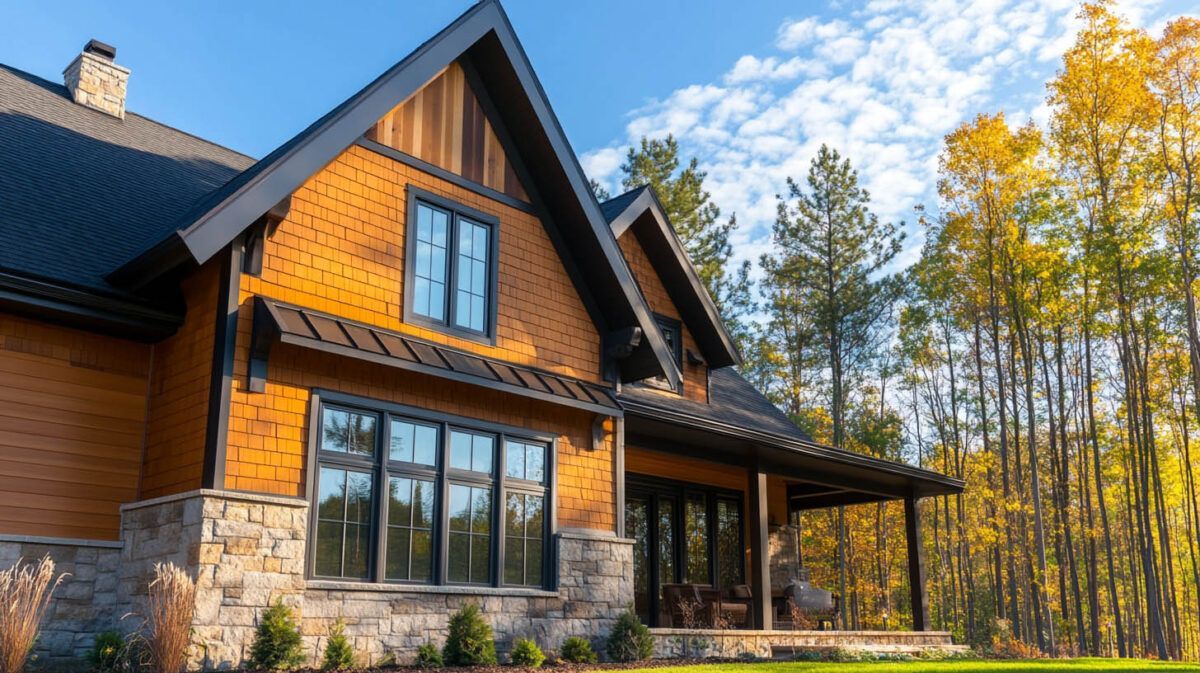
Wood siding is a traditional option that provides a rich, natural aesthetic to homes. It is commonly found in historic and cottage-style houses.
Advantages:
- Aesthetic Appeal: Offers a warm and inviting appearance, enhancing home value.
- Variety in Design: Available in shingles, clapboard, and board-and-batten styles.
- Eco-Friendly:
A renewable resource that can be sustainably sourced.
Disadvantages:
- High Maintenance:
Requires frequent painting or staining to protect against moisture, pests, and UV rays.
- Susceptibility to Pests:
Termites and carpenter ants can damage untreated wood siding.
- Fire Risk: Unless treated with fire-retardant chemicals, wood is flammable.
3. Brick Siding: Timeless Strength and Durability
Brick siding, made from fired clay, is a favorite for Colonial, Tudor, and English cottage-style homes. It offers unmatched longevity.
Advantages:
- Exceptional Durability: Can last over a century with minimal upkeep.
- Fire and Pest Resistant:
Unlike wood, brick does not attract pests or pose fire risks.
- Energy Efficiency:
Provides excellent thermal mass, helping regulate indoor temperatures.
Disadvantages:
- High Installation Cost: The labor-intensive process makes it one of the most expensive siding options.
- Limited Color Options:
Unlike other materials, brick is difficult to alter once installed.
- Moisture Absorption: Without proper sealing, brick can absorb moisture and lead to mold issues.
4. Stucco Siding: A Mediterranean Favorite
Stucco siding, made from cement, sand, lime, and water, is commonly found in Spanish and Mediterranean-style homes.
Advantages:
- Long-Lasting: When maintained properly, stucco can last as long as the home itself.
- Energy Efficient: Its natural composition helps regulate indoor temperatures, reducing energy costs.
- Fire Resistant:
Provides excellent fire protection due to its cement-based makeup.
Disadvantages:
- Cracking Issues: Susceptible to cracking, especially in climates with extreme temperature fluctuations.
- Installation Challenges:
Requires skilled professionals for proper application to avoid moisture penetration.
- Maintenance Required:
Needs periodic inspections and repainting to maintain appearance.
5. Stone and Stone Veneer Siding: Natural Elegance
Stone siding, using granite, limestone, or synthetic stone veneers, provides an upscale and durable finish.
Advantages:
- Premium Aesthetic:
Enhances curb appeal with a natural, sophisticated look.
- Durability:
Resists weather, fire, and pests, making it a long-lasting choice.
- Low Maintenance: Requires little upkeep compared to wood or stucco.
Disadvantages:
- High Cost: One of the most expensive siding materials, both in material and installation.
- Heavy Weight:
Requires a strong structural foundation to support the material.
- Limited Availability:
Not as widely used due to cost and installation complexity.
6. Fiber-Cement Siding: The Best of All Worlds
Fiber-cement siding, made from cement, sand, and cellulose fibers, is one of the best all-around options for modern homes. It mimics wood, stone, or stucco while offering exceptional durability.
Advantages:
- Highly Durable:
Resistant to rot, pests, and extreme weather conditions.
- Fire Resistant: Non-combustible material provides superior fire protection.
- Aesthetic Versatility: Available in various styles, including wood-look textures.
- Low Maintenance:
Requires minimal upkeep compared to real wood or stucco.
Disadvantages:
- Higher Installation Costs: While less expensive than stone or brick, it costs more than vinyl.
- Heavy Material:
Requires professional installation due to its weight.
Choosing the Right Siding for Your Home
When selecting siding, homeowners should consider their budget, climate, aesthetic preferences, and long-term maintenance expectations.
- For budget-conscious homeowners: Vinyl siding provides an affordable and low-maintenance option.
- For a classic look: Wood and brick offer timeless appeal but require more upkeep.
- For long-term durability:
Fiber-cement and stone veneer are excellent choices.
- For energy efficiency:
Stucco and brick help maintain consistent indoor temperatures.
Professional Siding Installation You Can Trust
Homeowners looking for expert siding installation can rely on 180 Contractors Roofing & Siding, located in Waterford, MI. With a commitment to quality and craftsmanship, they offer top-tier siding options, ensuring homes are both beautiful and well-protected.
Our Certifications and Partnerships:
- Accreditations: BBB A+ accredited, Guildmaster (GuildQuality), INC 5000, Google Guaranteed, Qualified Remodeler Top 100 Satisfaction.
- Trusted Brands:
James Hardie, Alside, Everlast.
Frequently Asked Questions (FAQs)
1. What is the most cost-effective siding option?
Vinyl siding is the most affordable in terms of both material and installation costs. It is a great option for homeowners looking for budget-friendly solutions.
2. Which siding lasts the longest?
Brick, stone, and fiber-cement siding offer the longest lifespan, often lasting over 50 years with proper maintenance.
3. Does fiber-cement siding require maintenance?
While fiber-cement siding is low-maintenance, periodic inspections and repainting every 10-15 years help maintain its appearance.
4. Can I install siding myself?
Some siding types, like vinyl, are DIY-friendly, while others, like brick, stucco, and fiber-cement, require professional installation.
5. Which siding is best for energy efficiency?
Stucco, brick, and fiber-cement siding provide good insulation and help maintain indoor temperatures, reducing energy costs.
Conclusion
Selecting the right siding for a home requires careful consideration of cost, durability, and aesthetic appeal. While each material has its own benefits, fiber-cement siding emerges as the top choice for homeowners seeking a balance of durability, affordability, and visual appeal. By working with professional contractors, homeowners can ensure proper installation and long-lasting beauty for their homes.
Read also our blog:
Factors That Determine the Cost of James Hardie Siding Installation