Fiber Cement Siding vs. Stucco: Which Is the Better Choice?

When selecting siding for a home, durability, maintenance, cost, and aesthetics play crucial roles in the decision-making process. Fiber cement siding and stucco are two popular options, each with its advantages and drawbacks. This article provides an in-depth comparison to help homeowners determine the best siding material for their needs.
Composition and Material Properties
Stucco
Stucco is a cement-based material composed of water, sand, lime, and Portland cement. It is applied in multiple layers over a lath framework, forming a solid, plaster-like finish. Stucco offers a distinctive, textured look that enhances architectural appeal, particularly in Mediterranean and southwestern-style homes.
Fiber Cement
Fiber cement siding is a composite material made of cement, cellulose fibers, water, and sand. It is engineered to withstand harsh weather conditions, providing a balance between strength and flexibility. Fiber cement is available in various styles, including smooth, wood grain, and even stucco-mimicking textures, making it a versatile choice for different home designs.
Installation Process
Stucco
Installing stucco is labor-intensive, requiring multiple coats over a wire mesh framework. Proper installation is critical to prevent cracking and moisture penetration. Any errors in application can lead to long-term structural issues, including water damage and mold growth.
Fiber Cement
Fiber cement siding must be installed by trained professionals who follow strict manufacturer guidelines. Unlike stucco, fiber cement siding comes in pre-manufactured panels or planks, making the installation process more controlled and predictable. Though initial installation can take time, it results in long-lasting durability and minimal maintenance.
Aesthetic Appeal and Style Options
Stucco
Stucco’s textured appearance gives homes a classic and elegant finish. It is highly customizable, allowing for a range of colors and application techniques. However, achieving the desired aesthetic requires skilled craftsmanship, and stucco may develop visible cracks over time that can detract from its appearance.
Fiber Cement
Fiber cement siding offers a variety of styles, from smooth panels to wood-like textures. It can replicate the look of stucco, brick, or wood without the high maintenance requirements of these materials. Pre-finished fiber cement siding also retains its color longer than stucco, reducing the need for frequent repainting.
Durability and Weather Resistance
Stucco
Stucco performs well in dry, arid climates but is susceptible to damage in regions with heavy rainfall, snow, or humidity. Water infiltration can cause cracks, discoloration, and structural weakening over time. Stucco also struggles to withstand freeze-thaw cycles, which can lead to chipping and spalling in colder climates.
Fiber Cement
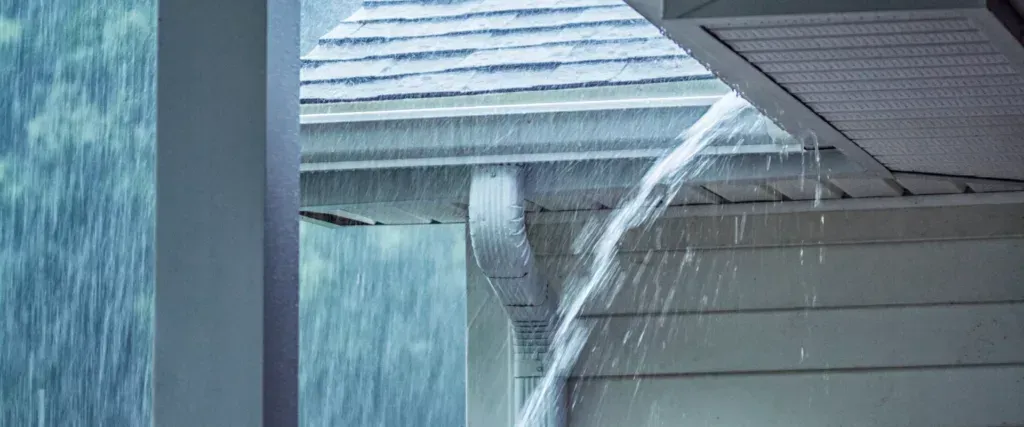
Fiber cement siding is highly resistant to moisture, making it ideal for areas with fluctuating weather conditions. It does not warp, crack, or rot when exposed to rain, snow, or high humidity. Additionally, fiber cement is non-combustible and termite-resistant, offering superior longevity and protection for homes.
Maintenance Requirements
Stucco
Stucco requires regular inspections to address cracks and prevent moisture-related issues. Homeowners must periodically repaint or reseal the surface to maintain its integrity. Repairing damaged stucco can be costly, particularly if large sections need replacement.
Fiber Cement
Fiber cement siding requires minimal upkeep. A simple annual cleaning with mild soap and water is usually sufficient to maintain its appearance. Unlike stucco, fiber cement does not need frequent patching or repainting, reducing long-term maintenance costs.
Environmental Impact
Stucco
Stucco is made from natural materials, making it an eco-friendly option. However, its vulnerability to moisture can lead to mold growth, which may compromise indoor air quality. The need for frequent repairs and replacements also increases waste over time.
Fiber Cement
Fiber cement siding has a longer lifespan than stucco, resulting in less material waste. Many manufacturers, including James Hardie, use sustainable practices in production, making fiber cement an environmentally responsible choice.
Cost Analysis
Stucco
The cost of stucco siding varies depending on labor and material expenses. Since stucco application is time-consuming and requires skilled craftsmanship, installation costs can be high. Additionally, ongoing maintenance and repair expenses add to the total cost of ownership.
Fiber Cement
While fiber cement siding may have a comparable or slightly lower initial installation cost than stucco, its long-term value is greater due to lower maintenance and repair requirements. Homeowners who invest in fiber cement siding benefit from its extended lifespan and durability.
Fire and Pest Resistance
Stucco
Stucco is naturally fire-resistant, making it a safe option in fire-prone areas. However, it does not provide significant protection against pests such as termites and woodpeckers, which can damage the underlying structure.
Fiber Cement
Fiber cement siding is one of the most fire-resistant siding materials available. It is also resistant to termites, woodpeckers, and other pests, ensuring lasting protection without the need for chemical treatments.
Future Trends and Innovations
Advancements in siding materials continue to improve energy efficiency, durability, and environmental sustainability. Manufacturers are developing fiber cement products with enhanced insulation properties, reducing energy consumption for homeowners. Additionally, new installation techniques and protective coatings are making fiber cement an even more attractive option compared to stucco.
Choosing the Right Siding for Your Home
For homeowners looking for a balance between beauty, durability, and low maintenance, fiber cement siding is the superior choice over stucco. Its ability to withstand moisture, resist pests, and require minimal upkeep makes it ideal for various climates and architectural styles.
About Our Company
At 180 Contractors Roofing & Siding, based in Waterford, MI, we specialize in high-quality exterior renovations. Our team is dedicated to providing exceptional service and craftsmanship, ensuring every project meets the highest standards. Our certifications include BBB A+ accredited, Guildmaster (GuildQuality), INC 5000, Google Guaranteed, and Qualified Remodeler Top 100 Satisfaction. We proudly work with top brands such as James Hardie, Alside, and Everlast, offering our customers premium materials and expert installation.
FAQs
1. Is fiber cement siding more expensive than stucco?
While the initial installation costs may be similar, fiber cement siding offers greater long-term value due to its durability and low maintenance needs.
2. Can fiber cement siding mimic the look of stucco?
Yes, fiber cement siding can be manufactured with a stucco-like texture, providing the aesthetic appeal of stucco without its maintenance challenges.
3. Which siding material lasts longer?
Fiber cement siding typically lasts 30 years or more with proper care, whereas stucco may require frequent repairs and maintenance to prevent cracking and moisture damage.
4. Does fiber cement siding require repainting?
Pre-finished fiber cement siding retains its color for many years, requiring minimal repainting compared to stucco, which often needs frequent touch-ups.
5. Which siding is better for wet climates?
Fiber cement siding is highly resistant to moisture and performs well in humid and rainy conditions, whereas stucco is prone to water damage and cracking in such environments.
Conclusion
When comparing fiber cement siding and stucco, fiber cement emerges as the superior choice for homeowners seeking longevity, low maintenance, and excellent weather resistance. Its versatility in style, cost-effectiveness, and durability make it a worthwhile investment for any home.
Read also our blog:
Should You Replace Windows or Siding First?
GET A FREE QUOTE
We will get back to you as soon as possible.
Please try again later.
Recent Posts