Winter storms can wreak havoc on a home’s exterior, causing severe damage to roofing and siding. Heavy snow, high winds, ice dams, and fluctuating temperatures can lead to structural issues, moisture infiltration, and costly repairs. Understanding how winter weather affects a home’s exterior can help homeowners take preventive measures and address problems before they escalate.
Common Ways Winter Storms Damage Roofing
Heavy Snow Load and Structural Stress
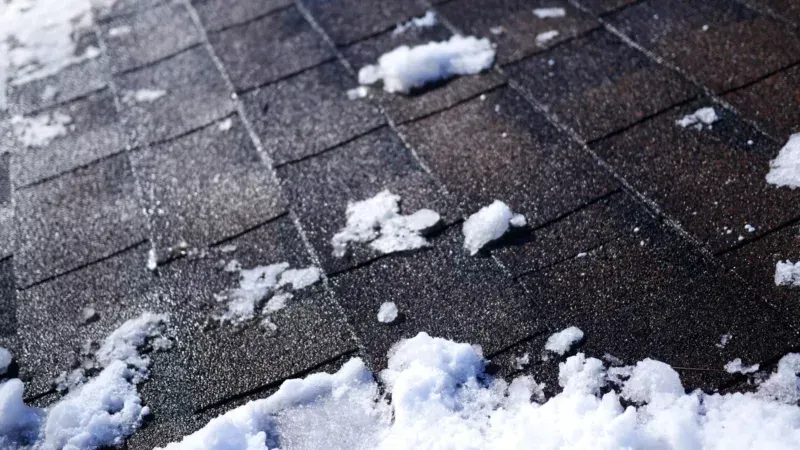
Snow accumulation places significant weight on a roof, increasing the risk of structural failure.
- Weight Considerations: Wet, dense snow weighs significantly more than light, fluffy snow. One cubic foot of wet snow can weigh up to 21 pounds.
- Roof Load Capacity:
Most modern residential roofs are designed to support 20 pounds per square foot of snow. However, older or weakened roofs may struggle under this load.
- Potential Damage: Excessive snow can lead to roof sagging, shingle displacement, and even partial collapse in extreme cases.
Prevention
- Use a roof rake to clear excess snow, especially near eaves.
- Reinforce an aging roof with additional support beams if needed.
Ice Dams and Gutter Damage
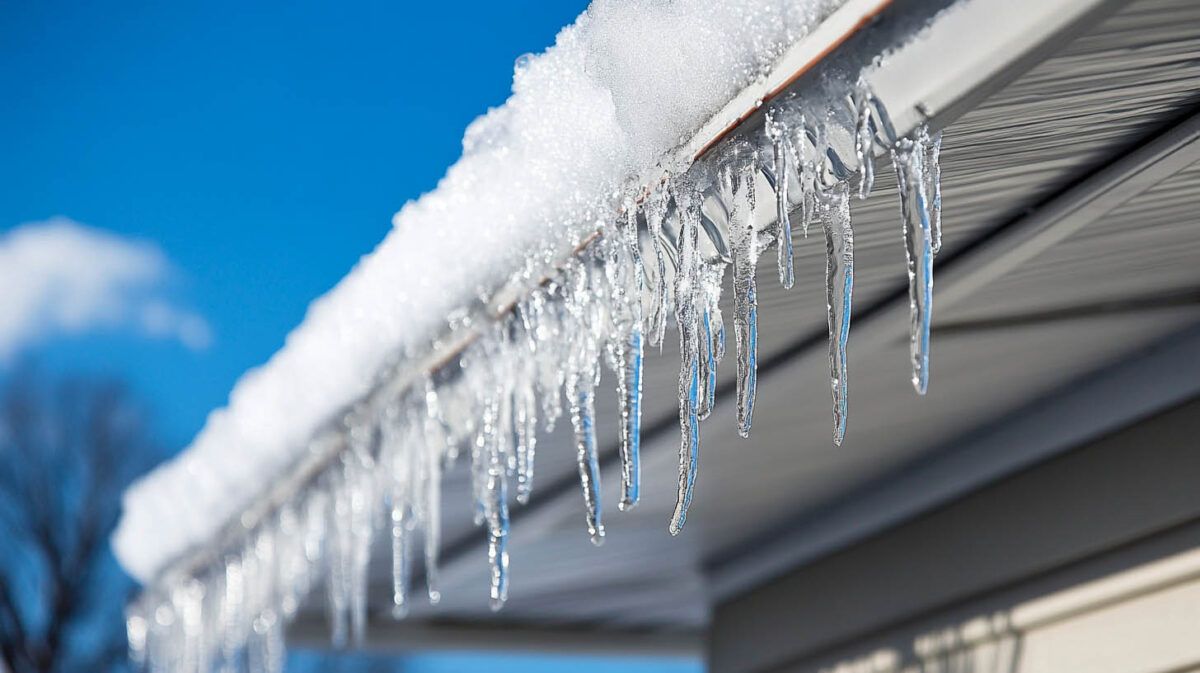
Ice dams form when melting snow refreezes at the roof’s edge, preventing proper drainage.
Formation Process: Heat from the attic melts snow, which refreezes along the roofline, blocking water flow.
Consequences: Water backs up under shingles, leading to roof leaks, rotting underlayment, and mold growth.
Gutter Impact: Ice accumulation can cause gutters to detach or collapse due to excessive weight.
Prevention
- Improve attic insulation and ventilation to maintain consistent roof temperatures.
- Install gutter guards to prevent ice buildup.
Wind Damage and Shingle Loss
High winter winds can lift and tear away shingles, exposing the roof to moisture intrusion.
- Vulnerability Points:
Older or improperly installed shingles are more prone to wind-related damage.
- Risk Factors: Areas with frequent blizzards can experience winds exceeding 50 mph, leading to widespread shingle loss.
- Secondary Damage: Missing shingles increase exposure to water leaks and wood rot.
Prevention
- Conduct pre-winter roof inspections to identify and secure loose shingles.
- Use impact-resistant shingles rated for high-wind conditions.
How Winter Storms Affect Siding
Cracking and Warping from Temperature Fluctuations
Repeated freezing and thawing cycles put stress on siding materials.
- Vinyl Siding Risks: Vinyl siding can become brittle in extreme cold, making it prone to cracking and splitting.
- Wood Siding Issues:
Wood expands and contracts with temperature changes, leading to warping and gaps that allow moisture infiltration.
- Fiber Cement Advantage:
Fiber cement siding resists temperature fluctuations better than wood or vinyl, making it a more durable choice.
Prevention
- Choose fiber cement siding, which withstands winter weather more effectively.
- Ensure proper caulking and sealing around siding joints.
Wind Damage and Siding Loosening
Strong winds can loosen siding panels, causing them to pull away from the house.
- Impact Damage:
Wind-driven debris can dent or puncture siding, leading to permanent damage.
- Gaps and Leaks: Loose panels create entry points for moisture, pests, and drafts.
Prevention
- Securely fasten siding panels before winter.
- Trim overhanging tree branches to minimize impact damage.
Moisture Intrusion and Mold Growth
Winter storms introduce excessive moisture, which can seep behind siding.
- Common Entry Points: Cracked siding, poorly sealed seams, and loose panels allow water penetration.
- Mold and Rot Risks: Persistent moisture leads to mold growth, wood rot, and insulation damage.
Prevention
- Conduct routine siding inspections to identify weak spots.
- Opt for moisture-resistant siding materials, such as fiber cement.
Inspecting Your Home for Winter Storm Damage
A thorough post-storm inspection helps identify potential issues before they worsen.
Roof Inspection Checklist
- Check from the Ground – Use binoculars to look for missing, cracked, or curling shingles.
- Inspect Attic Interior – Look for water stains, damp insulation, or visible daylight through the roof.
- Examine Flashing – Ensure metal flashing around chimneys, skylights, and vents is intact.
Siding Inspection Checklist
- Look for Cracks or Gaps – Check for warping, splitting, or missing panels.
- Inspect Paint and Finish –
Peeling or bubbling paint may indicate moisture damage.
- Check for Soft Spots – Press on wooden siding to detect hidden rot.
Gutter and Drainage Inspection
- Ensure Proper Drainage –
Remove ice blockages to prevent backups.
- Check for Sagging Gutters – Look for sections pulling away from the house.
- Examine Downspouts –
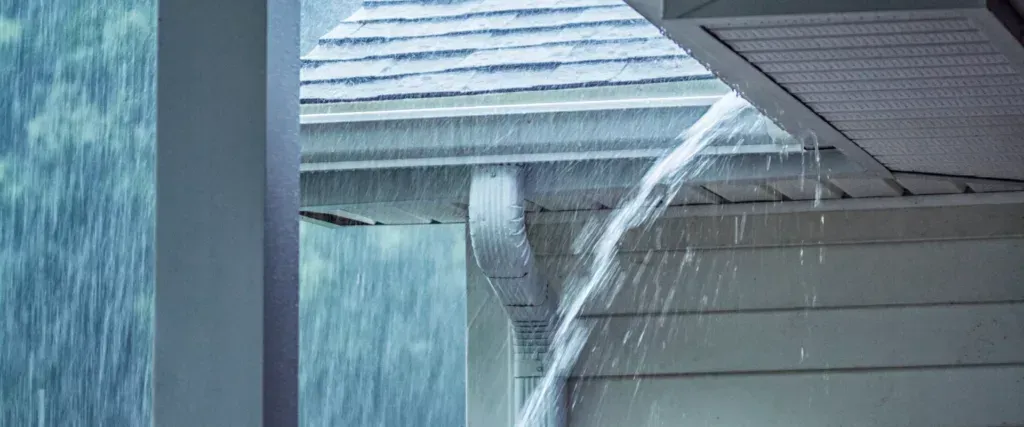
Ensure water is being directed away from the foundation.
Preventative Measures for Winter Storm Protection
Reinforcing the Roof
- Install high-quality, impact-resistant shingles.
- Ensure proper roof ventilation to minimize ice dams.
- Strengthen the roof structure if needed.
Protecting Siding
- Upgrade to fiber cement siding for superior durability.
- Apply weather-resistant sealants to prevent moisture penetration.
- Regularly inspect and replace damaged panels.
Gutter Maintenance
- Clean gutters before winter to prevent blockages.
- Install gutter guards to minimize ice buildup.
- Ensure downspouts extend at least 3 feet away from the foundation.
The Long-Term Value of Weather-Resistant Materials
Investing in durable materials ensures long-term protection against winter storm damage.
- Fiber Cement Siding: Lasts 50+ years with minimal maintenance.
- Impact-Resistant Roofing:
Reduces damage from hail and falling debris.
- Reinforced Gutters:
Prevent costly foundation and roof repairs.
About Our Company
At 180 Contractors Roofing & Siding, based in Rochester Hills, MI, we specialize in high-quality roofing and siding solutions. Our expert team ensures professional installation to maximize weather resistance and durability. We are proud to hold BBB A+ accreditation, Guildmaster (GuildQuality) recognition, INC 5000 ranking, Google Guaranteed status, and Qualified Remodeler Top 100 Satisfaction awards. We work with leading brands, including James Hardie, Alside, and Everlast, to provide homeowners with the highest-quality materials.
FAQs
1. How can I tell if my roof has winter storm damage?
Signs include missing shingles, ice dam formation, attic leaks, and sagging gutters.
2. What is the best siding material for cold climates?
Fiber cement siding is the most durable option, as it resists temperature changes, moisture, and impact damage.
3. How do I prevent ice dams on my roof?
Ensure proper attic insulation and ventilation, and install gutter guards to prevent ice buildup.
4. What should I do if my siding is damaged after a storm?
Inspect the siding for cracks, warping, and loose panels, and schedule professional repairs if needed.
5. Can winter storm damage lead to mold problems?
Yes, moisture intrusion from roof leaks or damaged siding can lead to mold growth and structural deterioration.
Conclusion
Winter storms pose significant risks to roofing and siding, but proactive maintenance and high-quality materials can minimize damage. Regular inspections, prompt repairs, and investing in durable solutions ensure long-term protection for any home.
Read also our blog:
How Long Does Fiber Cement Siding Last? A Comprehensive Guide