Choosing the right siding for a home is a significant investment that affects not only aesthetics but also durability, maintenance, and cost-efficiency. Two popular options—fiber cement and stucco—offer distinct advantages and challenges. Understanding their composition, longevity, and overall performance helps homeowners make informed decisions. Below, we compare these two materials in depth.
Composition and Material Properties
Stucco
Stucco is a cement-based material made from a mixture of sand, water, lime, and Portland cement. When applied in multiple layers over a reinforced wire framework, it creates a thick, textured finish. While stucco is well-known for its warm, natural aesthetic, it is susceptible to cracking and moisture retention, especially in humid or wet climates.
Fiber Cement
Fiber cement siding is composed of water, wood pulp, Portland cement, and silica sand or fly ash. It mimics the look of natural wood or stucco while offering superior durability. One of its most significant advantages is its resistance to moisture, rot, and pests, making it a long-lasting choice for homeowners in various climates.
Installation Process and Challenges
Stucco Installation
Stucco requires skilled labor and a multi-step application process, including the layering of base coats and a finishing layer. Improper installation often leads to cracks, water penetration, and structural issues. Additionally, stucco application is weather-dependent, requiring dry conditions to cure correctly.
Fiber Cement Installation
Fiber cement siding requires precise cutting and fastening to ensure a secure and weather-resistant installation. It is generally recommended that old siding be removed before installing fiber cement, which can extend the project timeline. However, once installed, fiber cement provides a highly durable and low-maintenance exterior.
Appearance and Design Versatility
Stucco’s Aesthetic Appeal
Stucco’s classic textured look provides a Mediterranean or Southwestern feel to homes. It is available in various colors and can be customized with different finishing techniques. However, maintaining its pristine look requires frequent repairs due to cracking and discoloration over time.
Fiber Cement’s Style Options
Fiber cement offers exceptional design flexibility. It can replicate stucco’s appearance, as well as wood grain or smooth panels, allowing homeowners to achieve their desired look without the high maintenance of traditional stucco. It is available in factory-painted finishes that resist fading, chipping, and peeling.
Durability and Weather Resistance
Stucco’s Limitations
While stucco is fire-resistant and offers moderate insulation, it struggles in wet or fluctuating climates. Excess moisture leads to cracks, mold, and water infiltration, resulting in costly repairs. Additionally, stucco is prone to impact damage, which can compromise its structural integrity over time.
Fiber Cement’s Superior Strength
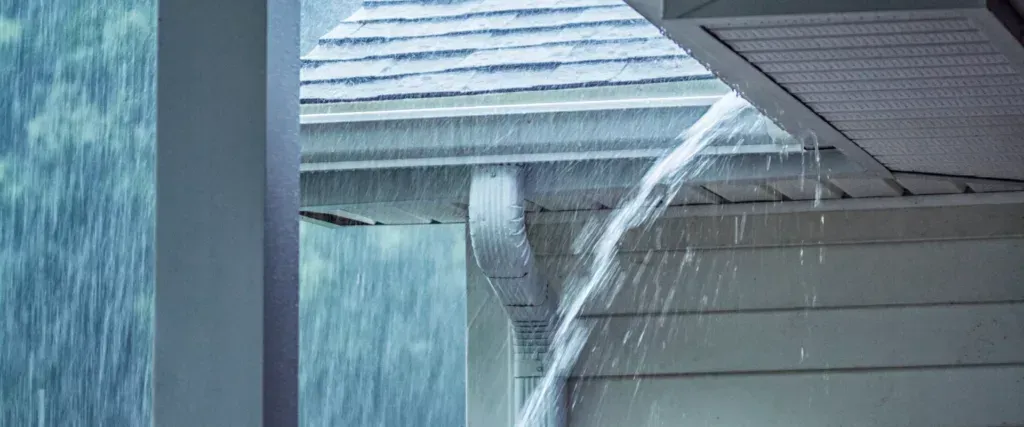
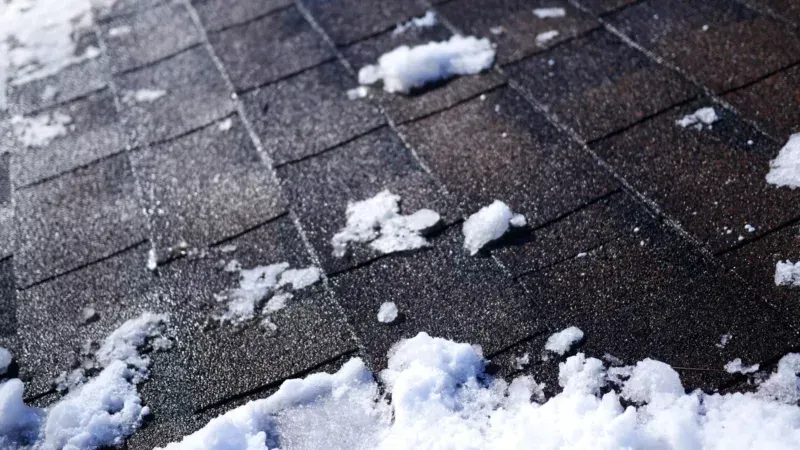
Fiber cement siding is engineered to withstand harsh weather conditions, including heavy rain, snow, and extreme temperature changes. It does not expand or contract significantly, reducing the risk of cracking. It is also resistant to fire, termites, and rot, ensuring long-term durability with minimal upkeep.
Maintenance and Upkeep Requirements
Stucco’s High Maintenance Needs
Stucco requires regular inspections to detect cracks and water damage early. Any damage must be promptly repaired to prevent deeper structural issues. Additionally, stucco surfaces need to be repainted or resealed periodically to maintain their appearance and moisture resistance.
Fiber Cement’s Low Maintenance Advantage
Fiber cement siding requires minimal maintenance. An occasional wash with soapy water and a soft brush is typically sufficient to keep it looking new. Unlike stucco, it does not require frequent patching, repainting, or extensive repairs due to environmental damage.
Environmental Impact and Sustainability
Stucco’s Environmental Considerations
Stucco is considered eco-friendly due to its natural materials. However, its high water absorption can contribute to indoor humidity issues, potentially affecting air quality. The frequent need for repairs also leads to increased material waste over time.
Fiber Cement’s Sustainable Benefits
Fiber cement siding is an environmentally responsible choice due to its long lifespan and resistance to deterioration. It reduces the need for frequent replacements, lowering its overall carbon footprint. Additionally, some fiber cement products incorporate recycled materials, further enhancing their sustainability.
Cost Analysis: Upfront Investment vs. Long-Term Savings
Stucco’s Higher Long-Term Costs
Stucco is a labor-intensive material, often leading to higher installation costs. While it provides a unique aesthetic appeal, its frequent maintenance and repair needs can make it a costly long-term investment.
Fiber Cement’s Cost-Effectiveness
Fiber cement siding may have comparable or slightly lower upfront installation costs than stucco, but its lower maintenance requirements and superior durability make it a more cost-effective option over time. Homeowners benefit from reduced repair expenses and a longer lifespan.
The Best Siding for Lasting Performance
For homeowners seeking an exterior material that balances beauty, durability, and affordability, fiber cement siding is a superior choice. It outperforms stucco in weather resistance, maintenance, and overall longevity. While stucco offers a unique aesthetic, it comes with higher upkeep costs and structural vulnerabilities.
Trusted Expertise in Siding Installation
For expert siding installation, 180 Contractors Roofing & Siding, located in Troy, MI, offers top-tier craftsmanship. As a BBB A+ accredited company and a Guildmaster award winner, we are committed to providing high-quality service. We proudly install products from industry-leading brands, including James Hardie, Alside, and Everlast.
Frequently Asked Questions
1. Is fiber cement siding more expensive than stucco?
While fiber cement siding may have similar or slightly lower initial costs compared to stucco, it is more cost-effective in the long run due to lower maintenance and repair expenses.
2. How does fiber cement compare to stucco in cold climates?
Fiber cement performs better in cold and wet climates as it resists moisture absorption, preventing cracking and deterioration that commonly affect stucco.
3. Can fiber cement siding mimic the look of stucco?
Yes, fiber cement siding can be manufactured to resemble stucco while providing superior durability and lower maintenance.
4. What is the lifespan of fiber cement siding versus stucco?
Fiber cement siding can last 30-50 years with minimal maintenance, whereas stucco requires regular repairs and may not last as long in certain climates.
5. Which siding option is better for resale value?
Fiber cement siding often adds more value to a home due to its long lifespan, durability, and aesthetic appeal, making it a strong selling point for potential buyers.
Conclusion
When choosing between fiber cement and stucco, homeowners must consider durability, maintenance, climate suitability, and long-term cost-effectiveness. While stucco has a timeless aesthetic, its susceptibility to cracks and moisture damage makes it a high-maintenance option. Fiber cement siding offers the same beauty with enhanced resilience, making it the smarter investment for lasting home protection.
Read also our blog: HardieZone System:
The Best Siding Choice for Michigan Homes