Fiber Cement vs. Vinyl Siding: Which Offers the Best Long-Term Value?
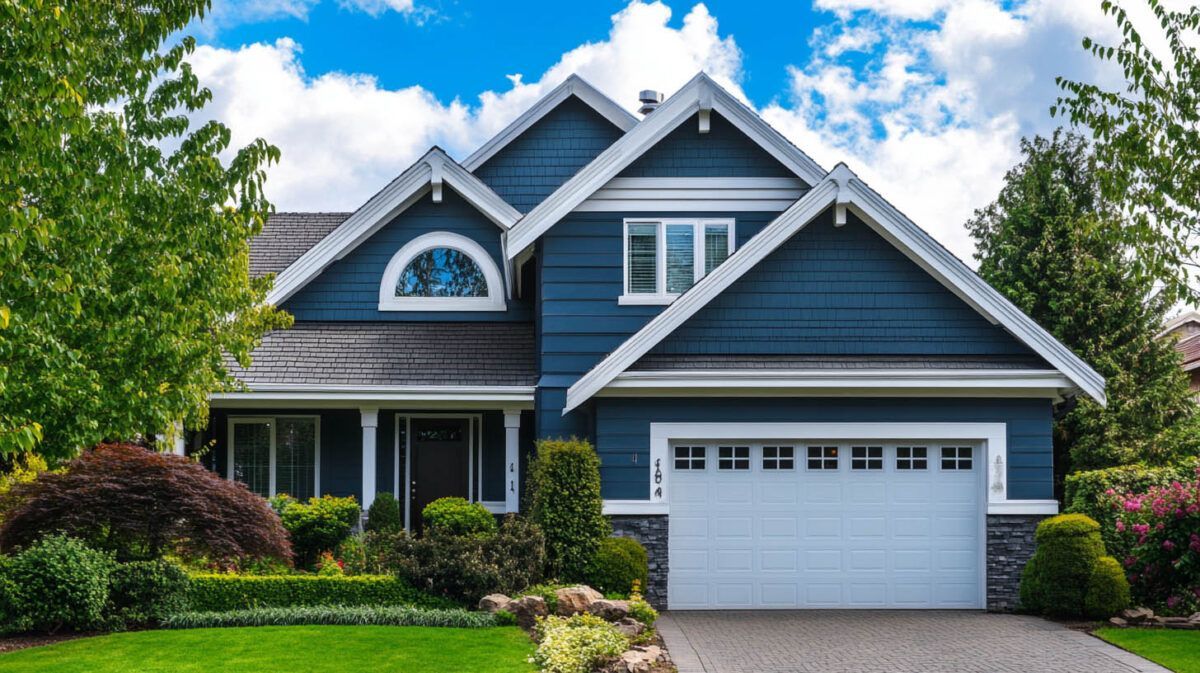
Selecting the right siding for a home requires careful consideration of durability, aesthetics, maintenance, and cost-effectiveness. Fiber cement and vinyl siding are two of the most popular choices for homeowners. Each option comes with its own set of advantages and drawbacks, making it crucial to assess them based on different criteria. The following is an in-depth comparison of both materials to help homeowners make a well-informed decision.
Composition and Material Differences
Vinyl Siding
Vinyl siding is made from polyvinyl chloride (PVC), a lightweight plastic material that can be manufactured to resemble wood, stone, or shake siding. It is resistant to rot and pests and is available in a wide range of colors and styles. However, since it is primarily plastic-based, it is not as environmentally friendly as other siding options.
Fiber Cement Siding
Fiber cement siding consists of Portland cement, sand, water, and cellulose fibers. It is designed to replicate the look of wood or stucco while offering enhanced durability and weather resistance. It is a preferred option for homeowners who want a balance of longevity, low maintenance, and curb appeal.
Appearance and Curb Appeal
Vinyl Siding’s Design Flexibility
Vinyl siding is available in a wide range of colors and textures, some of which mimic natural materials like wood grain. However, because it is thinner than fiber cement, its texture can appear less authentic. Additionally, darker colors may fade over time due to sun exposure.
Fiber Cement’s Premium Aesthetic
Fiber cement siding offers a more realistic texture, making it a preferred choice for homeowners who want the appearance of real wood without the maintenance. It is also available pre-painted or primed for on-site painting, allowing for more customization over time.
Winner: Fiber cement siding provides a more authentic and high-end look.
Durability and Weather Resistance
Vinyl’s Performance Under Extreme Conditions
Vinyl siding is resistant to moisture and will not rot. However, it is susceptible to cracking in extreme cold and warping in high heat. Hail, wind-blown debris, and heavy storms can cause visible dents or cracks.
Fiber Cement’s Superior Strength
Fiber cement siding is highly resistant to weather damage, including hail, strong winds, and fluctuating temperatures. It does not expand or contract significantly, reducing the risk of cracking. It is also fire-resistant and pest-proof, making it one of the most durable siding materials available.
Winner: Fiber cement outperforms vinyl in terms of long-term durability and resistance to environmental damage.
Maintenance and Longevity
Vinyl Siding’s Low Maintenance
Vinyl siding requires minimal upkeep, as it does not need painting. A simple rinse with a hose or mild detergent is usually sufficient for cleaning. However, once vinyl siding fades or becomes damaged, it cannot be repainted or easily repaired.
Fiber Cement’s Long-Term Benefits
Fiber cement siding requires little maintenance and has a lifespan of 30-50 years, with some installations lasting even longer. Factory-painted options, such as those using ColorPlus® Technology from James Hardie, provide baked-on color that resists fading for up to 15 years.
Winner: Fiber cement offers a longer lifespan and better long-term value.
Energy Efficiency and Insulation
Vinyl Siding’s Built-In Insulation Options
Standard vinyl siding provides minimal insulation, but insulated vinyl siding, which includes a layer of foam backing, improves energy efficiency by reducing heat transfer.
Fiber Cement’s Thermal Performance
Fiber cement siding is a denser material, offering better natural insulation than standard vinyl. However, it is typically installed with additional insulation layers to achieve optimal energy efficiency.
Winner: Insulated vinyl siding slightly outperforms fiber cement in energy efficiency, but both require added insulation for maximum performance.
Cost and Return on Investment
Vinyl Siding’s Lower Upfront Cost
Vinyl siding is one of the most budget-friendly siding options in terms of initial installation costs. It is lightweight and easy to install, which reduces labor expenses. However, its shorter lifespan and susceptibility to damage may lead to higher long-term costs.
Fiber Cement’s Higher Initial Cost but Better ROI
Fiber cement siding costs more upfront due to its heavier material and specialized installation process. However, because it lasts longer, requires fewer repairs, and offers superior durability, it provides a greater return on investment over time. Homes with fiber cement siding often have higher resale value due to its longevity and curb appeal.
Winner: Vinyl is the more affordable option initially, but fiber cement offers better long-term value.
Environmental Impact
Vinyl’s Environmental Considerations
Because vinyl is a plastic-based product, it is not biodegradable and contributes to landfill waste. Additionally, the manufacturing process produces greenhouse gases, making it a less eco-friendly option.
Fiber Cement’s Sustainability
Fiber cement siding contains sustainable materials such as cement and cellulose fibers. It lasts significantly longer than vinyl, reducing waste. Many manufacturers also incorporate recycled materials into their fiber cement products.
Winner: Fiber cement is the more environmentally friendly choice.
Fire Resistance and Safety
Vinyl Siding’s Fire Risks
Vinyl siding can melt or ignite when exposed to high heat, making it less ideal in fire-prone areas.
Fiber Cement’s Fireproof Properties
Fiber cement siding is non-combustible and provides superior fire resistance. It does not ignite, making it an excellent option for homes in wildfire-prone regions or those looking for enhanced fire safety.
Winner: Fiber cement is the safer option in terms of fire resistance.
Which Siding Option Is Best for Your Home?
While both fiber cement and vinyl siding have their advantages, fiber cement stands out in terms of durability, appearance, fire resistance, and long-term value. Homeowners looking for a cost-effective solution with minimal upfront expenses may prefer vinyl siding, but those who prioritize longevity, resale value, and superior protection will benefit more from fiber cement siding.
Expert Siding Installation for Long-Lasting Protection
Choosing the right siding is a crucial investment in a home’s longevity and value. For professional installation, 180 Contractors Roofing & Siding, located in Rochester Hills, MI, provides top-quality craftsmanship and industry-leading products. As a BBB A+ accredited company, a Guildmaster award winner, and an INC 5000 honoree, we are committed to excellence. We install siding from trusted brands like James Hardie, Alside, and Everlast, ensuring homeowners receive the best in durability and design.
Frequently Asked Questions
1. Which siding lasts longer: vinyl or fiber cement?
Fiber cement siding lasts 30-50 years or more, while vinyl siding typically lasts 20-40 years. Fiber cement is more resistant to weather damage and wear over time.
2. Can fiber cement siding be repainted?
Yes, fiber cement siding can be repainted, allowing homeowners to update their home’s look over time. Vinyl siding cannot be repainted as effectively.
3. Is fiber cement more expensive than vinyl siding?
Fiber cement siding has a higher upfront cost due to materials and installation but offers better long-term value due to its durability and longevity.
4. Which siding option is better for extreme weather?
Fiber cement siding is superior in harsh weather conditions, as it resists wind, hail, and moisture damage better than vinyl.
5. Is fiber cement siding eco-friendly?
Yes, fiber cement is made from sustainable materials and lasts longer than vinyl, reducing environmental waste.
Conclusion
Both vinyl and fiber cement siding provide advantages depending on a homeowner’s needs. Vinyl siding is an affordable and low-maintenance option, while fiber cement offers superior durability, better long-term value, and a premium aesthetic. For homeowners seeking a siding solution that enhances curb appeal, withstands extreme weather, and provides lasting value, fiber cement is the best choice.
Read also our blog:
Fiber Cement vs. Stucco: Which Siding Offers the Best Performance?
GET A FREE QUOTE
We will get back to you as soon as possible.
Please try again later.
Recent Posts