Fixing Siding Without a Full Replacement: What You Need to Know

Keeping your home’s curb appeal high is very important for homeowners. A big part of that appeal depends on how your siding looks. While replacing all your siding can cost a lot, fixing any damage early can help you save money. It also keeps the integrity of your home intact. This guide will cover the basics of repairing your siding without needing to replace it all. If you’re looking for reliable contractors to help with your repair or replacement needs in Troy, MI, consider reaching out to our company, 180 Contractors Roofing & Siding.
Understanding Siding Damage and Its Impacts
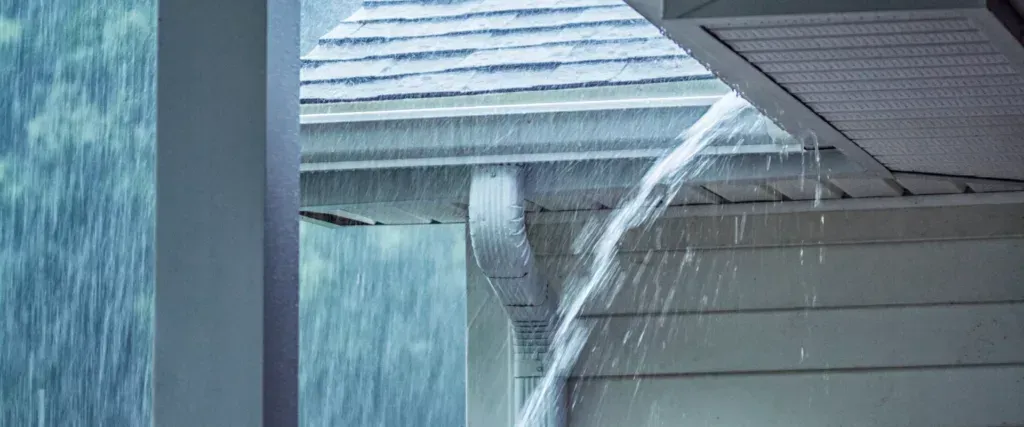
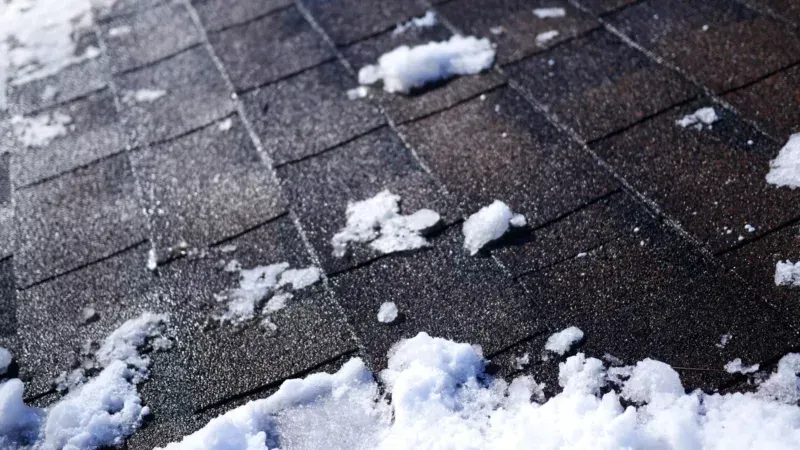
Siding is the main protection for your home against weather conditions like rain, wind, snow, and pests. However, over time, it can suffer from exposure to these elements. Accidental hits and general wear can cause damage. This damage can make your home look worse and could also compromise its structure if you don’t fix it.
Signs Your Siding Needs Attention
Early detection of siding damage is very important. It helps prevent bigger issues later. Here are some signs to look out for:
- Small cracks: Thin cracks in the siding, especially near windows and doors, might show signs of weathering or settling.
- Loose or missing pieces: Parts of the siding that look loose, bent, or have fallen off need your immediate attention.
- Blistering or bubbling: These bumps under the siding, often caused by moisture, need to be checked right away.
- Faded or discolored siding:
Some fading can be just an eye issue, but major fading or uneven colors may hint at sun damage or moisture problems.
The Consequences of Neglecting Siding Repairs
Ignoring minor damage to your siding can lead to serious problems down the line. Even small cracks or chips in your siding can allow moisture to seep in, leading to mold and mildew growth. Over time, this can compromise the structural integrity of your home and result in costly repairs. Additionally, pests such as termites may be attracted to damaged siding, further exacerbating the issue.
Regularly inspecting your siding for any signs of damage and addressing them promptly can help prevent these issues. Whether it’s repairing a small crack or replacing a damaged section, taking action early can save you time and money in the long run.
- Extensive damage: A small crack can turn into major structural issues. This might mean expensive repairs in the future.
- Decreased curb appeal: Damaged siding can make your home look uncared for. This can lower its market value.
- Compromised energy efficiency: Gaps in damaged siding can let in drafts. This can cause higher energy bills and make your home less comfortable.
Types of Siding and Common Issues
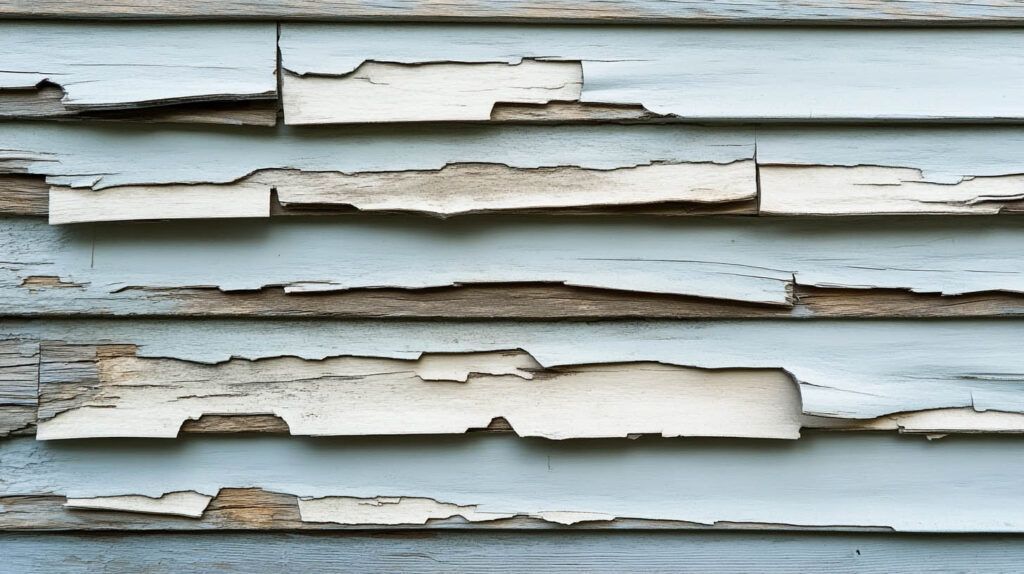
When considering options, two popular choices are James Hardie fiber cement and Alside vinyl siding. Fiber cement siding boasts durability and low maintenance but may require repainting over time. On the other hand, vinyl siding is known for its affordability and easy installation, yet it can crack or warp. Common issues with fiber cement include paint peeling, while vinyl siding may suffer from cracks or fading. Identifying these issues early can prevent further damage to the integrity of your home. Regular maintenance, following manufacturer’s instructions, and promptly addressing any issues can help extend the lifespan of your siding. Understanding the specific maintenance needs of each type of siding is crucial for preserving the exterior of your home.
Advantages and Maintenance Tips
James Hardie fiber cement siding offers durability and low maintenance, making it a popular choice among homeowners. Its resistance to moisture, fire, and pests ensures the integrity of your home for years. Maintenance tips include following the manufacturer’s instructions for installation and regular upkeep. Inspect for any signs of damage such as small cracks or general wear, addressing them promptly to prevent extensive damage. When repairing, utilize a siding removal tool and primer before applying patch material. Ensure proper fastening to studs and use quality caulk for sealing. Consult with experts for a free estimate and expert advice on maintaining your James Hardie siding. Remember, regular care enhances your home’s curb appeal and longevity.
Alside Vinyl Siding: Recognizing and Addressing Damage
Alside vinyl siding, although durable, can still face damage. Look for small cracks, minor damage, or general wear as signs of deterioration. To address this, start by identifying the damaged area precisely. Use a pry bar to gently remove the affected piece of siding. Check the underlying structure for any moisture damage. When replacing, ensure the new piece matches in width and color. Apply a primer before installing the new siding piece. Use caulk to seal any gaps properly. If the damage is extensive, consider consulting a professional for a free estimate. Regular maintenance can preserve the integrity of your home’s exterior.
Everlast Composite Siding: Repair Over Replacement
Everlast composite siding is known for its durability and longevity, but like any other material, it can still encounter damage over time. When facing issues with Everlast composite siding, opting for repairs over a full replacement can be a cost-effective and practical solution. Assess the extent of damage carefully before starting the repair process. Minor damages like small cracks or a damaged section can often be fixed with the right tools and materials. Following manufacturer’s instructions for repair and maintenance is crucial to preserving the integrity of your home’s exterior.
DIY vs. Professional Repairs
When it comes to repairs, deciding between a DIY approach or hiring professionals is crucial. DIY projects offer cost savings and a sense of accomplishment, best suited for minor damages like small cracks or holes. However, professional assessments ensure the integrity of your home isn’t compromised. They can accurately evaluate the extent of damage and provide expert advice on the best repair process. Professionals have access to specialized tools like siding removal tools and have the expertise to handle extensive damage efficiently. Before deciding, consider the complexity of the repair, your skill level, and the time needed for the job.
When to Consider a DIY Approach
Minor siding repairs are easy to do. For example, you can fix a small hole using exterior caulk. You can also replace a damaged plank with a removal tool. Homeowners with basic DIY skills can often handle these tasks.
The Importance of Professional Assessment and Repair
Professional assessment and repair of siding are crucial for maintaining the integrity of your home. A trained professional can accurately evaluate the extent of damage and recommend the most effective repair solutions. By seeking professional assistance, you can be confident that your siding issues are addressed efficiently and effectively, ultimately enhancing the longevity and appearance of your home’s exterior. Our partnership with top brands such as James Hardie, Alside, and Everlast allows us to provide high-quality materials and expert installation services to ensure your siding is repaired with the best products available in the market.
Pro Tips for Maintaining Your Siding
Inspect your siding regularly for any signs of damage or deterioration. Conduct routine checks to catch minor issues before they escalate. Address small cracks or holes promptly using suitable patch materials. Keep your siding clean by washing it with mild soap and water. Consider applying a fresh coat of exterior paint to enhance its appearance and protection. Trim any vegetation around your home to prevent damage to the siding. Consult with experts for professional maintenance advice tailored

to your specific type. By following manufacturer’s instructions and taking proactive measures, you can uphold the integrity of your home’s exterior.
Routine Checks and Maintenance Best Practices
- Visual inspections
- Regular Cleaning
- Landscaping Maintenance
Immediate Actions for Minor Damages
Take care of minor damage right away to stop it from getting worse:
- Seal small cracks: Use a good exterior caulk to seal small cracks. This will help stop water from getting in.
- Replace damaged pieces: If you find loose or damaged pieces of siding, replace them quickly. This will help keep the integrity of your home’s exterior.
Connect With Us
In conclusion, keeping your home’s siding in good shape is important for its life and curb appeal. Knowing the signs of damage to your siding is key. You should pick the right kind of siding and take care of any problems quickly. This can help you avoid expensive repairs. A well-kept exterior improves your home’s look and protects it from bad weather. If you need expert advice and quotes on repairs, contact 180 Contractors Roofing & Siding in Troy, MI today. With our BBB A+ accreditation, Guildmaster recognition from Guildquality, INC 5000 ranking, Google Guaranteed status, and inclusion in Qualified Remodeler’s top 100 satisfaction list, you can trust our expertise and dedication to providing top-notch services.
Frequently Asked Questions
Can you replace just pieces of siding?
Yes, in many cases, you can change individual pieces of siding. You can use a siding removal tool to take off the damaged piece. After that, you can put a new piece of siding in its place. Make sure the new piece overlaps correctly with the other pieces.
What is the most common mistake when installing vinyl siding?
One common mistake when putting up vinyl siding is not fastening it properly. It’s important to leave a small gap, about the width of a nickel, between the panels and any trim or flashing. This gap helps the materials expand and contract. If you do not leave this space, the siding could buckle.
Learn
how to detect and prevent damage to your home’s siding.
GET A FREE QUOTE
We will get back to you as soon as possible.
Please try again later.
Recent Posts