

How to Detect and Prevent Damage to Your Home’s Siding

Your home’s siding is important for how it looks and for keeping out bad weather. If there is damage to your siding, it can lead to expensive repairs if you do not take care of it. It’s key to spot the early signs of damage, particularly those that may be missed by the untrained eye. Understanding how to prevent these issues can help you save money and avoid stress. This guide will give you useful tips on how to find and stop damage to your home’s siding. If you’re looking for professional help with your siding or roofing needs, consider reaching out to 180 Contractors Roofing & Siding. Based in Waterford, MI, 180 Contractors offers top-notch services to ensure your home is well-protected.
Understanding the Basics of Siding Damage
Siding damage can happen for a few reasons. These include harsh weather conditions, moisture exposure, pests, and sometimes improper installation. If you do not address these problems, even small issues can grow into serious ones that can cause leaks. This can harm your home’s protection and may lead to water damage. It’s important to fix these issues quickly to prevent further damage and keep your home’s exterior in good shape.

The Role of Siding in Home Protection
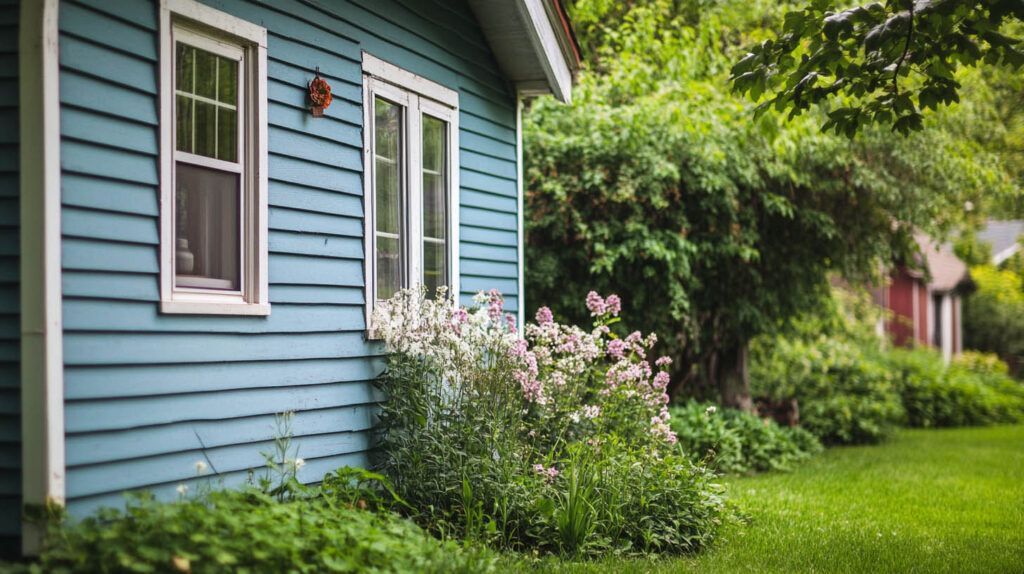
Your home’s siding protects it from rain, wind, snow, and extreme temperatures. It is the first defense for your home’s exterior. This barrier helps keep the inside comfortable by regulating temperatures. Besides protection from the weather, siding also improves your curb appeal and adds to your home’s overall value. When installed and cared for properly, siding can last for many years. This gives you long-term protection and peace of mind.
Signs of Siding Damage to Look Out For
To avoid expensive repairs, it’s important to know the common signs of siding damage, including signs of moisture damage. Regularly check your home’s exterior for any warning signs, like visible cracks, warping, or discoloration. Look out for loose panels too. Also, watch for signs of water damage, mold, or pest infestation. These problems can get worse if you do not deal with them quickly.

Visible Cracks and Warping
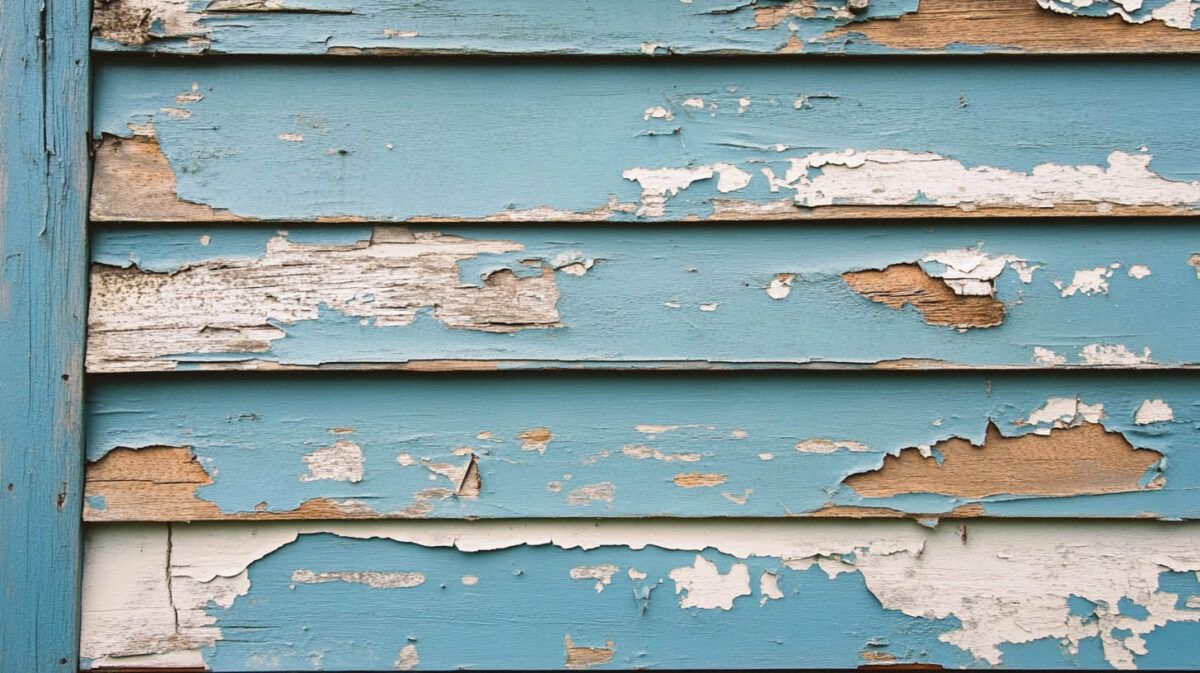
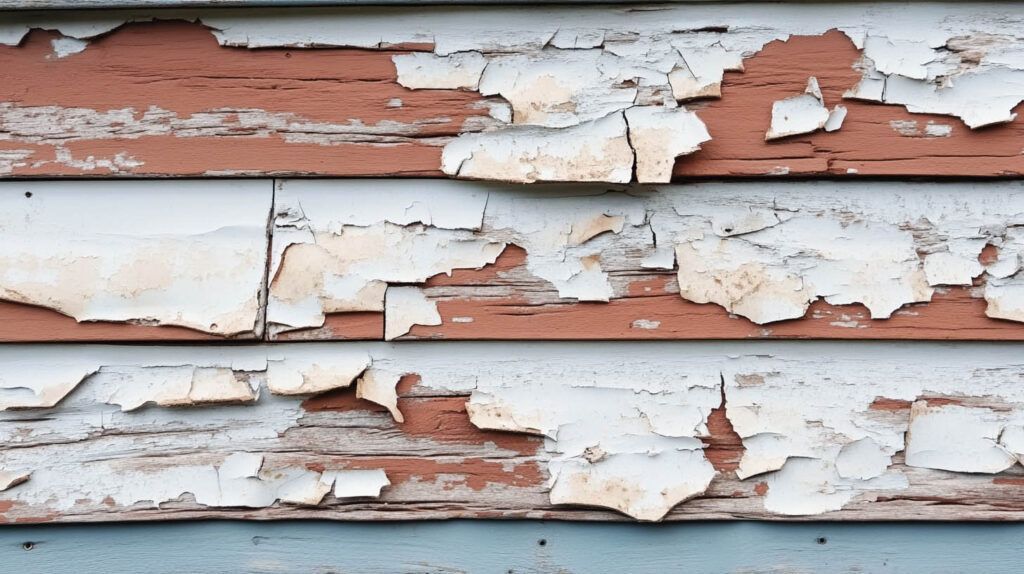
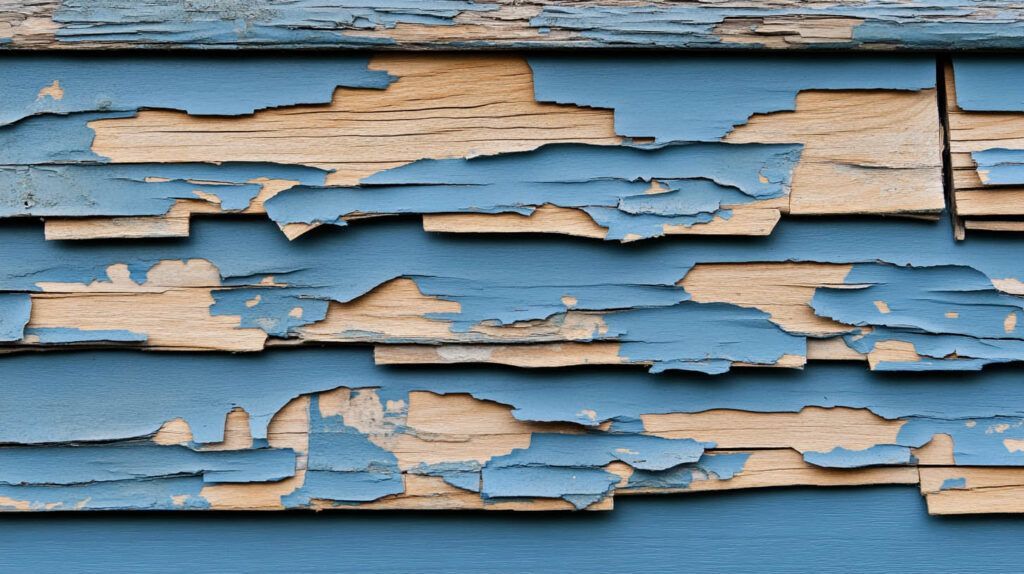
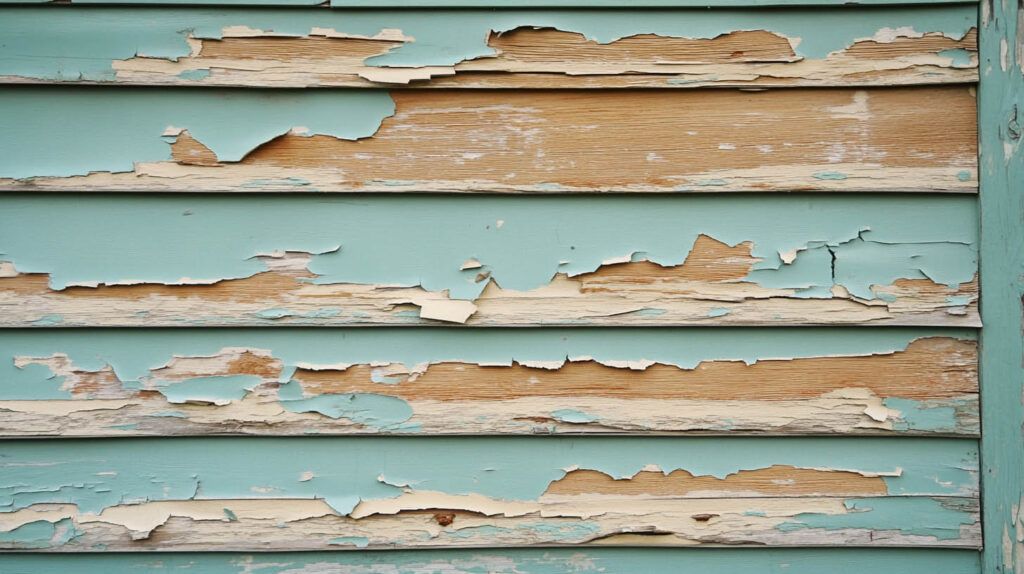
Cracks and warping are clear signs of siding damage, including rot. You should fix them right away. Cracks can happen because of impacts, changes in temperature, or poor installation. Warping often shows there are moisture issues, bad installation, or too much heat. If you see buckling, cracking, or other distortions in your siding panels, you must call a professional. They can help with inspection and repair.
Factors Contributing to Siding Damage
Siding damage can happen for many reasons. Some of these reasons are bad weather, wrong installation, and lack of maintenance. Knowing these reasons can help homeowners keep their siding safe. Let’s look at some main causes of siding damage and how to avoid them.

Weather and Environmental Effects
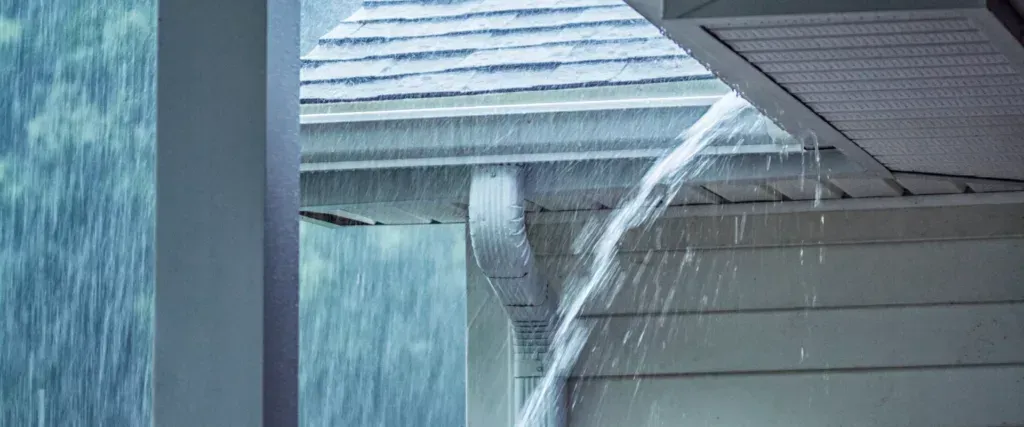
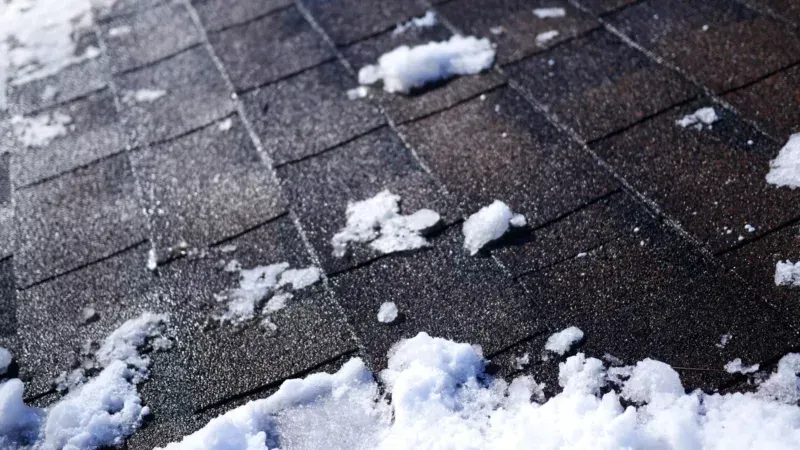
Long exposure to the weather can harm your siding over an amount of time. Harsh weather conditions like heavy rain, hailstorms, and big temperature changes can cause cracks, bending, and fading. Plus, being under UV rays for too long can lead to discoloration and wear. Homeowners can reduce damage from the weather by picking strong siding materials, making sure it is installed correctly, and doing regular maintenance.
Preventative Measures to Protect Your Siding
Taking steps to prevent problems is very important for having a strong and good-looking siding system. Cleaning your gutters regularly, fixing issues right away, and maintaining it well can help make your siding last longer. These actions also protect your home from possible damage.

Immediate Repair of Minor Damages
Fixing small issues quickly is very important. This stops them from becoming big problems later. Repair any small holes, cracks, or loose siding right away when you see them. If you do not feel comfortable handling these repairs by yourself, you can ask a professional for help. Replacing damaged parts quickly can keep your home safe from further damage and help you save money on costly repairs later on.
Choosing the Right Materials for Longevity
Choosing the right siding material for your home is important. It helps with long-term strength and looks good too. When picking siding, think about the weather conditions where you live, how much care it needs, and the total cost.

Benefits of James Hardie, Alside, and Everlast Products
For homeowners who want strong and easy-to-care-for options, brands like James Hardie, Alside, and Everlast are great choices. James Hardie’s fiber cement siding is known for being very durable. It is also fire-resistant and comes in many styles. Alside provides several vinyl siding options. These options are budget-friendly and look good. Everlast offers composite siding that looks like wood but is much more durable and requires little maintenance.
Connect With Us
In conclusion, maintaining the integrity of your home’s siding is crucial for the overall well-being of your property. By being vigilant and recognizing the signs of siding damage, such as discoloration, warping, or moisture damage, you can prevent further costly repairs and major problems down the line. Regular inspections, immediate repairs, and professional help when needed are essential to keep your siding in top shape. Choosing high-quality materials like fiber cement siding and proper installation can significantly increase the longevity of your home’s exterior. Remember, small issues can escalate if ignored, leading to significant damage. Take the necessary steps to protect your home from harsh weather conditions and potential water intrusion to preserve its curb appeal and value. Our company is proud to offer a free estimate for those seeking advice on maintaining their siding and has received several prestigious awards including being BBB A+ accredited, Guildmaster by Guildquality, listed on the INC 5000, Google Guaranteed, and recognized as a Qualified Remodeler top 100 satisfaction provider.

Frequently Asked Questions
How to know if siding is bad?
Inspect your siding for visible cracks, warping, discoloration, or fading. These signs indicate potential damage requiring immediate attention. Regular maintenance and prompt repairs can help prevent further deterioration.
What ruins vinyl siding?
Vinyl siding can be ruined by various factors, such as exposure to harsh weather conditions, impact from debris, moisture infiltration leading to mold or mildew growth, and improper installation causing warping or buckling. Regular maintenance using a mixture of water and mild detergent and prompt repairs are crucial to prevent damage.
What are common signs of damage to a home’s siding?
Common signs of damage to a home’s siding include cracks, warping, discoloration, and mold growth. Siding that is loose or pulling away from the house and areas with water stains or soft spots may also indicate potential issues that need to be addressed promptly.
- Protect your siding by doing regular inspections and keeping it well-maintained.
- Take care of any potential issues early.
- If you need it, don’t hesitate to ask for professional help.
- Giving special attention to your siding can help you avoid major problems and expensive repairs.
Learn the
best tips for preparing for siding replacement.
GET A FREE QUOTE
We will get back to you as soon as possible.
Please try again later.
Recent Posts