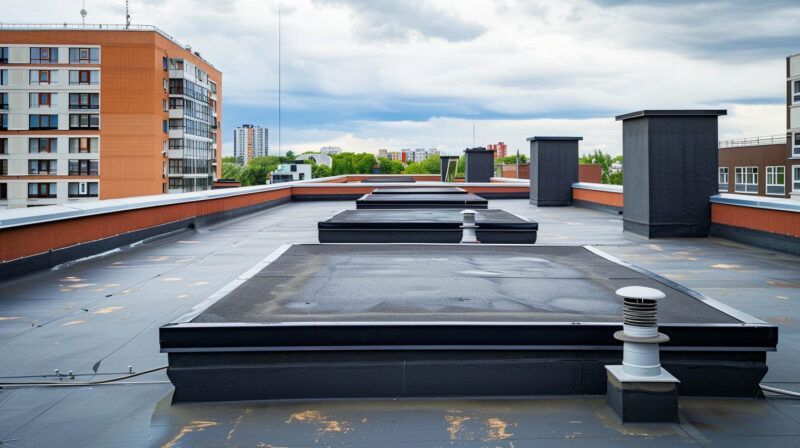
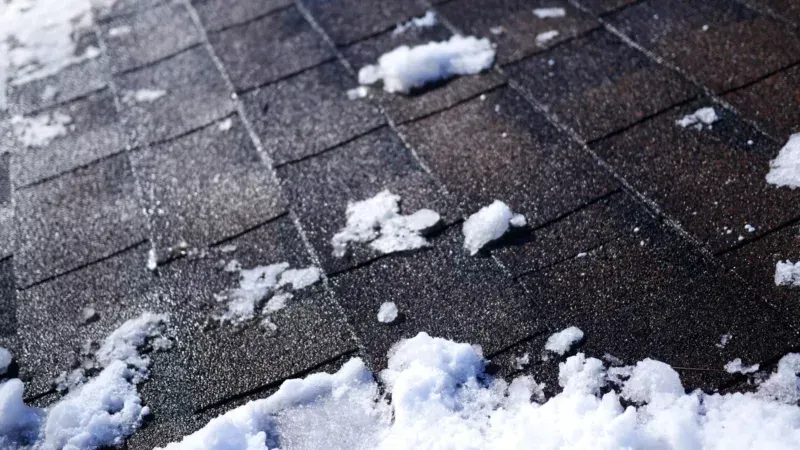
Flat roofs are a popular choice for modern homes, commercial buildings, and additions thanks to their sleek profile and space-saving design. However, their minimal slope means they require a more attentive maintenance routine than pitched roofs. In a region like Bloomfield Hills, MI, where heavy snow and rainfall are common, flat roof upkeep isn’t optional—it’s essential. Ignoring minor issues can quickly lead to water pooling, leaks, and structural deterioration. In this blog, we’ll share critical flat roof maintenance tips you simply can’t ignore.
Why Flat Roofs Need Special Attention
Unlike sloped roofs that naturally shed water and debris, flat roofs rely on efficient drainage systems and durable waterproofing layers. Without regular inspections and upkeep, water can accumulate, causing membrane failure, mold, and even interior damage.
Flat roofs are built to last—but only when properly maintained. Proactive care ensures longevity, prevents emergency repairs, and keeps your home or business safe and dry throughout Michigan’s unpredictable seasons.
Tip 1: Perform Regular Visual Inspections
Start with frequent visual checks—at least twice a year, ideally in spring and fall. After major storms, high winds, or heavy snowfall, it’s smart to do a spot-check. Look for:
- Pooled water or “ponding”
- Blisters or cracks in the roofing membrane
- Exposed seams or flashing
- Punctures from foot traffic or debris
- Algae or mold growth
Early detection of these issues allows for simple repairs rather than full replacements.
Tip 2: Keep the Roof Surface Clean
Leaves, branches, and trash can clog drainage paths and weigh down the roof surface. Clear off debris regularly using a broom or leaf blower, being careful not to damage the membrane. Never let organic matter sit on a flat roof—it promotes rot, mold, and drainage problems.
Make this a part of your seasonal checklist, especially in fall when leaves accumulate quickly.
Tip 3: Clean and Inspect Drains and Gutters
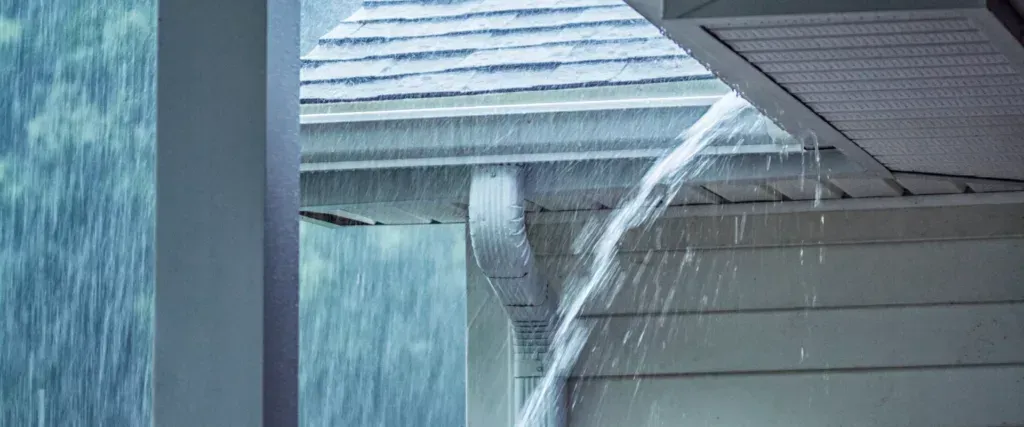
Flat roofs often use internal drains, scuppers, or perimeter gutters to move water off the surface. If these become clogged, water will pool—leading to leaks or even collapsed decking.
Check drains and gutters regularly for blockages. Remove any debris and flush systems with water to ensure proper flow. If drainage issues persist, consult a professional to assess whether your roof has adequate slope or needs additional scuppers.
Tip 4: Monitor the Membrane for Damage
Most flat roofs are covered in materials like modified bitumen, EPDM rubber, or TPO membrane. These materials are strong but can still crack, shrink, or develop weak spots.
If you see bubbling, tearing, or discoloration, call a professional roofer for evaluation. Minor damage can often be patched, but ignored issues will spread and compromise the roof’s waterproofing.
Tip 5: Limit Foot Traffic
Walking on a flat roof without proper support can cause punctures or weaken the structure over time. Limit foot traffic, especially during extreme temperatures when membranes are more susceptible to damage.
If you must access the roof for HVAC maintenance or inspections, use walkway pads to distribute weight and protect the surface.
Tip 6: Address Ponding Water Promptly
One of the most critical issues for flat roofs is ponding—water that remains on the surface more than 48 hours after a storm. This indicates a slope issue, drainage failure, or membrane wear.
If water consistently pools in the same spots, contact a qualified roofer to explore solutions like adding tapered insulation, improving slope, or enhancing the drainage system.
Tip 7: Schedule Professional Inspections
While DIY maintenance is helpful, nothing replaces the value of a professional inspection. At least once a year, bring in a licensed roofer to evaluate your flat roof. They can check structural components, perform minor repairs, and provide expert recommendations tailored to your building.
180 Contractors Roofing & Siding specializes in flat roof systems for homes and businesses in Bloomfield Hills. With advanced diagnostic tools and extensive experience in flat roofing materials, we offer proactive care that prevents future headaches.
Why Material Matters for Flat Roof Performance
A flat roof’s durability is directly tied to the quality of materials and installation. That’s why we proudly install Owens Corning roofing systems, which are known for exceptional weather resistance and industry-leading warranties. Whether you’re working with TPO, rubber, or modified bitumen, starting with the right product and professional application makes all the difference.
Read also our blog:
How to Prepare Your Roof for a Storm and Recover Fast
Flat roof maintenance isn’t something you can afford to overlook. With the right combination of inspections, cleaning, and preventative care, you can extend your roof’s life and avoid costly repairs. Protect your investment with regular attention—and the help of a trusted local expert.