Green Roof Options: Are They Right for Your Home?
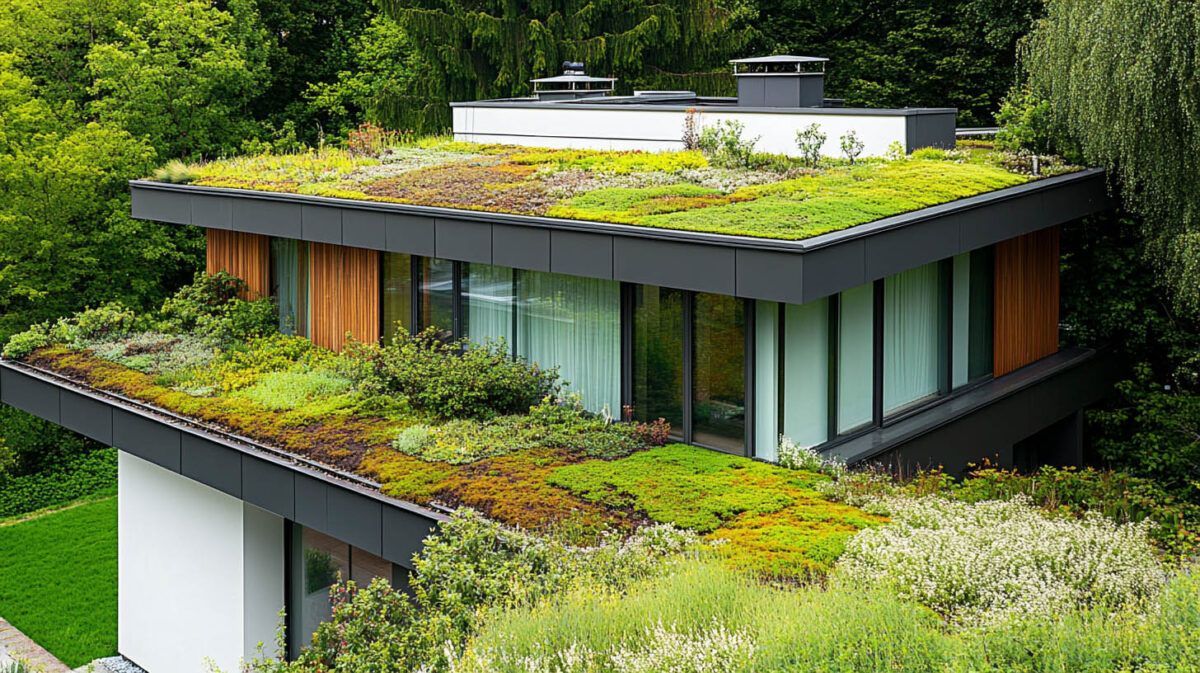
In recent years, green roofs have emerged as a compelling alternative to conventional roofing systems, and at 180 Contractors Roofing & Siding, located in Bloomfield Hills, MI, we are excited to offer these innovative solutions. These sustainable structures not only enhance aesthetic appeal but also provide significant environmental benefits. By introducing vegetation into the built environment, they help mitigate the urban heat island effect, reduce carbon dioxide levels, and improve air quality. Furthermore, various types of green roof systems, from extensive roofs to intensive models, provide unique features that cater to diverse needs, making them an attractive option for building owners looking to invest in eco-friendly roofing solutions.
Understanding Green Roofs
Green roofs represent a transformative approach within the built environment, integrating natural ecosystems with architectural structures. Distinct from conventional roofs, these systems utilize a waterproofing membrane to support a growing medium, allowing vegetation to thrive. The benefits of green roofs extend beyond aesthetics; they significantly mitigate the urban heat island effect and manage stormwater runoff, improving air quality by absorbing airborne pollutants. Understanding these advantages elucidates their role in sustainability and energy efficiency, positioning green roofs as a viable enhancement for modern buildings.
Definition and Basic Concepts
A green roof system integrates vegetation into the building’s roof structure, effectively transforming conventional roofs into flourishing ecosystems. By utilizing layers such as a waterproofing membrane, drainage layer, and growing medium, these systems contribute to stormwater management and enhance energy efficiency benefits. Different types, including extensive roofs and intensive roofs, emerge based on growing medium depth and maintenance requirements. This innovative approach not only improves air quality by reducing airborne pollutants but also mitigates the urban heat island effect commonly observed in urban areas.
How Green Roofs Differ from Traditional Roofing
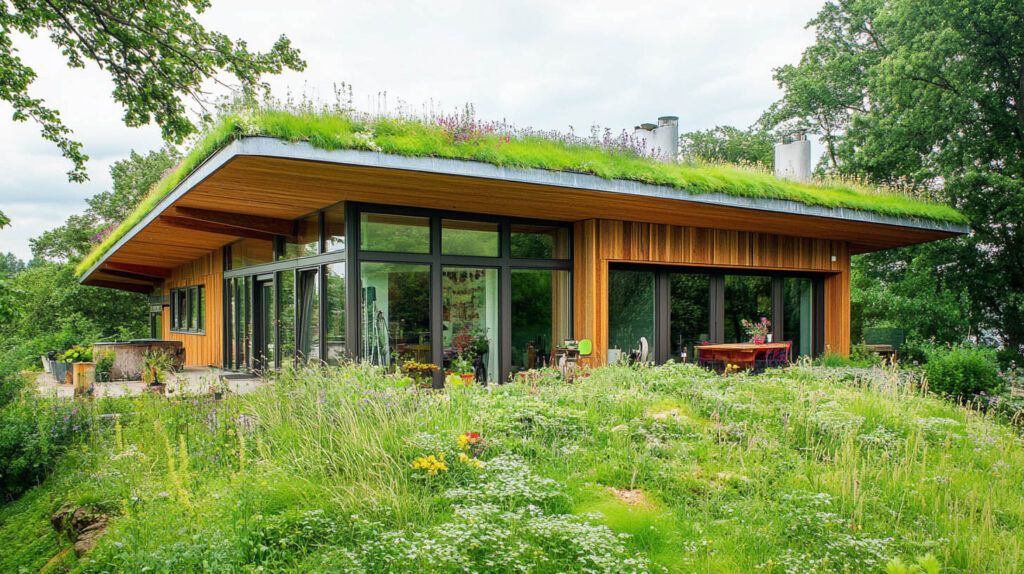
Green roofs stand apart from traditional roofing through their unique structure and functionality. While conventional roofs often prioritize waterproofing and insulation, green roofs incorporate layers such as a drainage layer, a growing medium, and vegetation that contribute to stormwater management and energy savings. This layered approach not only mitigates the urban heat island effect but also improves air quality by absorbing airborne pollutants. Additionally, green roofs can provide opportunities for local food production, enhancing the built environment in urban areas.
Types of Green Roof Systems
Various green roof systems cater to specific needs and environments, enriching both residential and commercial properties. Extensive green roofs feature a shallow growing medium, making them lightweight and suitable for existing roofs. These systems require minimal maintenance and offer environmental benefits, such as stormwater management and improved air quality. In contrast, intensive green roofs have deeper growing mediums, allowing for a greater diversity of plants, potentially supporting local food production and showcasing rooftop gardens, but they entail higher maintenance and structural reinforcement.
Extensive Green Roofs
Characterized by a lightweight, low-maintenance approach, extensive green roofs feature a shallow growing medium depth, typically ranging from 2 to 6 inches. They are ideal for urban environments where structural reinforcement is essential, as they can be installed on existing roofs with minimal modifications. This type of green roof effectively mitigates stormwater runoff and the urban heat island effect while enhancing air quality by filtering airborne pollutants. Designed primarily for vegetation like sedums, extensive roofs also foster biodiversity within built environments.
Intensive Green Roofs
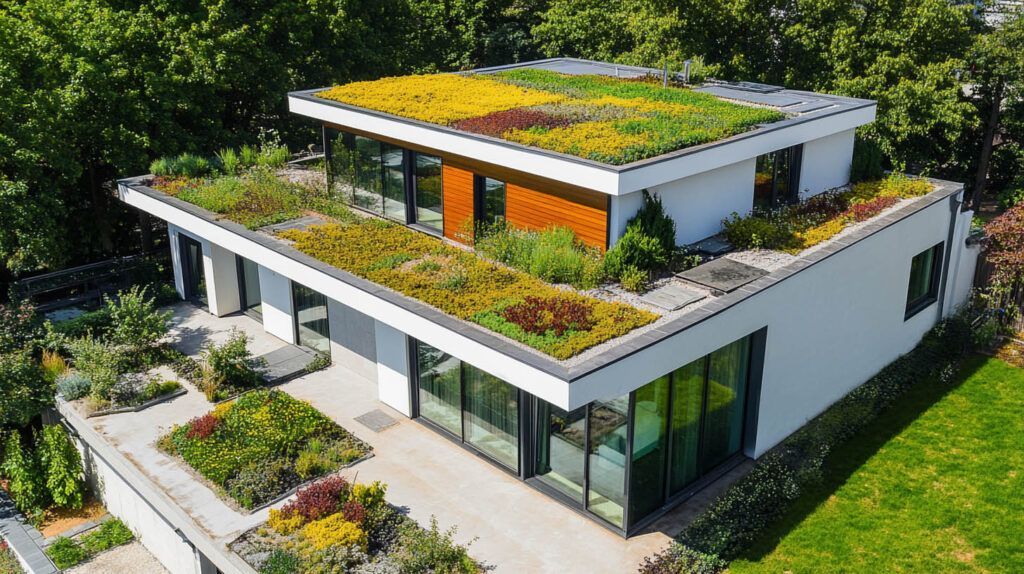
Intensive green roofs are characterized by their deeper growing medium, which can reach over 12 inches, allowing for a diverse ecosystem including shrubs, trees, and even edible plants. This type of green roof system requires more structural reinforcement due to the increased weight and maintenance needs. While they offer exceptional benefits such as improved air quality and stormwater management, building owners should evaluate energy efficiency benefits and maintenance requirements against the potential for enhanced urban green space in their projects.
Benefits of Installing Green Roofs
Exploring the benefits of installing green roofs reveals a multi-faceted approach to enhancing the built environment. These systems offer substantial energy efficiency benefits, significantly reducing energy costs and demand for power plants. Additionally, green roofs play a pivotal role in stormwater management, mitigating the urban heat island effect, and improving air quality by filtering airborne pollutants. By incorporating extensive or intensive green roofs, building owners can also contribute to local food production while enhancing water quality and reducing greenhouse gas emissions.
Energy Efficiency and Insulation Properties
Energy efficiency emerges as a key advantage of green roof installations. By providing an additional layer of insulation, these systems effectively reduce heat transfer, lowering energy demand for heating and cooling. Enhanced thermal performance contributes to significant energy savings, particularly in urban areas where the urban heat island effect amplifies heat retention. With the right growing medium depth and drainage layers, green roofs also mitigate stormwater runoff, improving water quality and minimizing greenhouse gas emissions while promoting a healthier built environment.
Environmental Impact and Sustainability
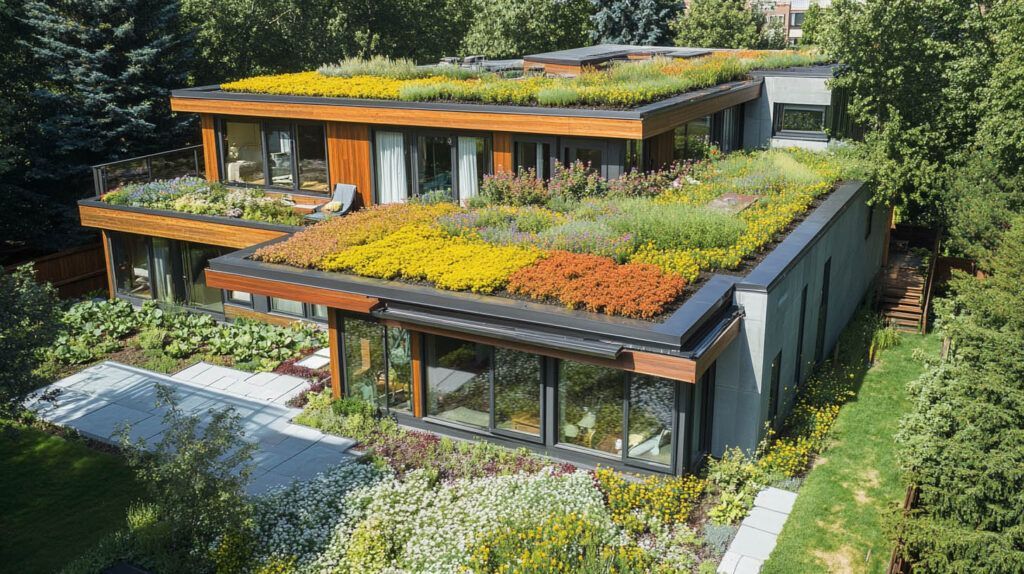
Significant advantages emerge from incorporating green roofs, particularly concerning sustainability and environmental impact. They actively combat the urban heat island effect by providing green space, which lowers surrounding temperatures. Effective stormwater management is achieved as they absorb rainfall, reducing runoff and improving water quality. Moreover, through carbon dioxide absorption, they contribute to decreasing greenhouse gas emissions. The energy efficiency benefits are pronounced, leading to lower energy costs and diminished energy demand in urban environments, making them an invaluable asset for building owners.
What’s Next
Evaluating green roof options highlights their aesthetic and environmental benefits. At 180 Contractors Roofing & Siding in Bloomfield Hills, MI, we proudly hold certifications such as Owens Corning Preferred, CertainTeed Shingle Master, and BBB A+ accreditation. Recognized as a Guildmaster by GuildQuality and featured in the INC 5000 for rapid growth, our commitment to quality is reinforced by our Google Guaranteed status and recognition as one of Qualified Remodeler’s top 100 for customer satisfaction. This innovative technology supports urban ecosystems, mitigates heat islands, and promotes local food production through rooftop gardens. Investing in a green roof with us can significantly benefit both the environment and community well-being.
Read our blog: What to Expect During a Roof Replacement Project
Frequently Asked Questions
What are the structural requirements for installing a green roof?
Installing a green roof requires a strong structural framework capable of supporting additional weight from soil, vegetation, and water. Key factors include load-bearing capacity, waterproofing layers, drainage systems, and proper insulation to ensure durability and prevent leaks. Consultation with a professional is advisable.
How do green roofs contribute to stormwater management?
Green roofs play a crucial role in stormwater management by absorbing rainwater, reducing runoff, and promoting water filtration. Their vegetation helps slow down water flow, minimizing flooding risks while also enhancing urban biodiversity and improving air quality in densely populated areas.
GET A FREE QUOTE
We will get back to you as soon as possible.
Please try again later.
Recent Posts