The Transformative Power of New Siding
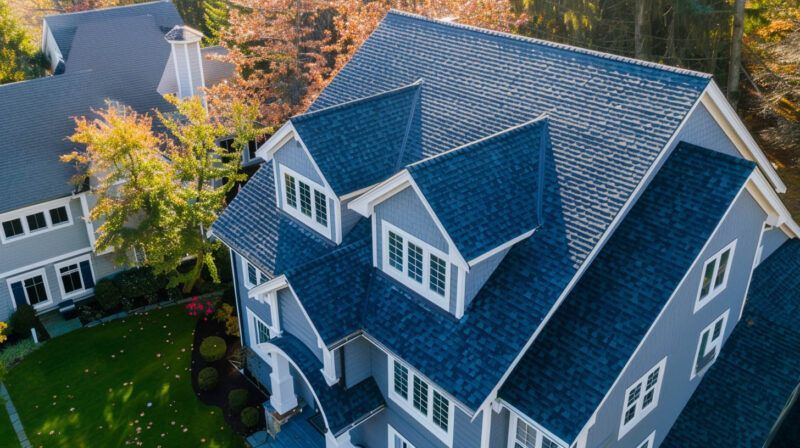
Your home is more than just a place to live—it’s an investment in your future and a sanctuary for your family. When it comes to maintaining and improving its exterior, siding plays a crucial role. Beyond aesthetics, new siding offers financial, functional, and structural advantages that go beyond a simple facelift. Whether you’re looking to boost curb appeal, increase energy efficiency, or enhance durability, investing in new siding is one of the smartest home improvement decisions you can make.
The Financial Benefits of New Siding
Increased Home Value and Market Appeal
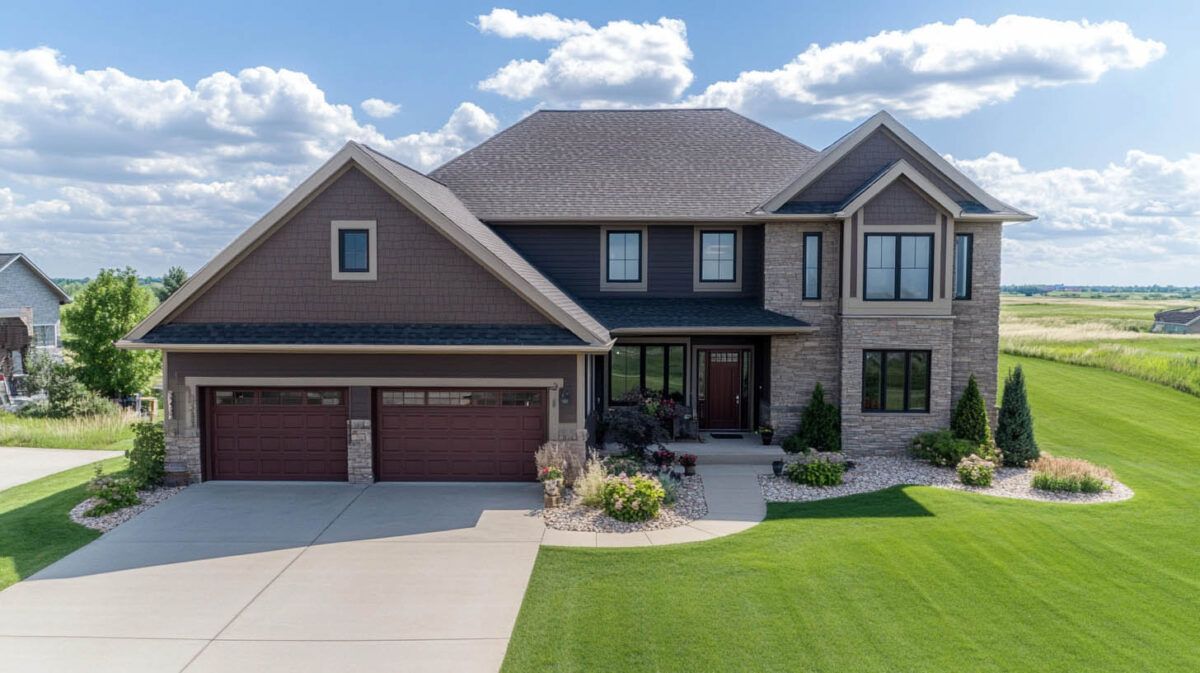
First impressions matter, and siding is one of the first things potential buyers notice. Fresh, high-quality siding enhances curb appeal, making your home more attractive to buyers. According to the National Association of Realtors (NAR), new siding can offer a return on investment (ROI) of up to 75%. In competitive real estate markets, homes with well-maintained exteriors sell faster and at higher prices.
Lower Maintenance Costs
Traditional wood siding requires frequent repainting and treatments to prevent rot and insect damage. Newer siding materials like fiber cement, vinyl, and composite options are designed for durability with minimal upkeep. Many modern options resist fading, cracking, and warping, reducing the need for costly repairs and maintenance.
Energy Efficiency and Reduced Utility Bills
Older siding often lacks proper insulation, leading to energy loss. Modern siding options, especially those with integrated insulation, help regulate indoor temperatures, reducing the strain on HVAC systems. This improvement can lower energy bills by as much as 20% annually, depending on the climate and existing insulation quality.
Functional Advantages of Installing New Siding
Superior Weather Protection
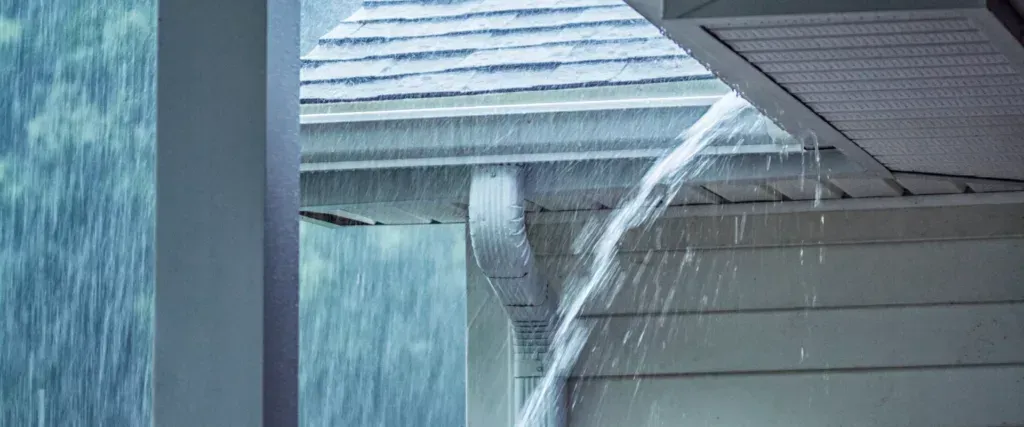
Your home’s siding acts as a protective barrier against extreme weather conditions. Whether facing scorching summers, freezing winters, or heavy storms, high-quality siding prevents moisture intrusion, mold growth, and structural damage. Many advanced materials, such as fiber cement and engineered wood, offer excellent resistance to wind, hail, and temperature fluctuations.
Improved Indoor Comfort and Noise Reduction
Insulated siding options help regulate indoor temperatures by preventing heat transfer. Additionally, siding materials with soundproofing properties can reduce outside noise, making your home quieter and more comfortable.
Pest and Moisture Resistance
Woodpeckers, termites, and carpenter ants can wreak havoc on traditional wood siding. Modern alternatives, such as fiber cement and composite siding, are virtually impervious to pest infestations. Additionally, siding with water-resistant barriers prevents mold and mildew buildup, ensuring your home’s structural integrity.
Signs It’s Time to Replace Your Siding
Even the best siding materials have a lifespan. If your home shows any of the following signs, it may be time for an upgrade:
- Cracks, Warping, or Rot:
Physical damage compromises siding performance and exposes your home to moisture and pests.
- Fading or Discoloration:
UV exposure can cause older siding to lose its vibrant color. Severe fading suggests weakened protective layers.
- Mold, Mildew, or Water Stains:
These are indicators of trapped moisture behind the siding, which can lead to structural damage if not addressed.
- High Energy Bills: If heating and cooling costs are rising, inadequate insulation could be the culprit. New siding with built-in insulation can improve efficiency.
- Blistering or Bubbling: This is a sign that water is seeping beneath the siding surface, potentially causing long-term damage.
Exploring Popular Siding Options
When selecting new siding, homeowners have several durable and visually appealing options to choose from:
Vinyl Siding
- Affordability: One of the most cost-effective options on the market.
- Low Maintenance:
Requires minimal upkeep and is resistant to moisture and pests.
- Versatility:
Available in a wide range of colors and textures.
Fiber Cement Siding (James Hardie)
- Durability: Resists fire, pests, and severe weather conditions.
- Longevity:
Can last over 30 years with proper maintenance.
- Aesthetic Appeal: Mimics the look of wood without the drawbacks.
Engineered Wood Siding
- Authentic Appearance:
Provides the natural beauty of wood with enhanced durability.
- Pest and Moisture Resistant: Designed to withstand environmental threats.
- Eco-Friendly: Made from recycled wood fibers.
Composite Siding
- High Performance:
Offers excellent resistance to impact and moisture.
- Energy Efficient: Many composite options come with built-in insulation.
- Modern Design:
Ideal for homeowners looking for a sleek and contemporary aesthetic.
Professional Siding Installation: Why It Matters
Choosing high-quality siding is only part of the equation—proper installation is equally important. Poorly installed siding can lead to water infiltration, insulation gaps, and premature wear. Working with experienced contractors ensures:
- Precision Installation: Proper fitting and sealing to prevent leaks and energy loss.
- Warranty Protection: Many manufacturers require professional installation to uphold warranty terms.
- Code Compliance: Ensuring that siding meets local building regulations and safety standards.
Choosing a Trusted Siding Contractor
For homeowners looking for expert siding services, 180 Contractors Roofing & Siding in Rochester Hills, MI, is a reliable choice. With certifications from BBB A+ accredited, Guildmaster (GuildQuality), INC 5000, Google Guaranteed, and Qualified Remodeler Top 100 Satisfaction, the company specializes in installing high-performance siding from brands like James Hardie, Alside, and Everlast.
Frequently Asked Questions (FAQs)
1. How long does new siding last?
The lifespan of siding depends on the material. Vinyl siding lasts 20-30 years, while fiber cement and composite siding can exceed 50 years with proper maintenance.
2. Can new siding reduce my energy bills?
Yes. Insulated siding prevents heat loss, improving energy efficiency and reducing heating and cooling costs by up to 20%.
3. Is it better to repair or replace damaged siding?
Minor damage can often be repaired, but widespread cracking, warping, or moisture infiltration typically requires a full replacement to maintain home protection.
4. How much does siding replacement cost?
Costs vary by material and home size. On average, homeowners spend between $5,000 and $15,000, with premium materials like fiber cement on the higher end.
5. What is the best low-maintenance siding option?
Vinyl and fiber cement siding require minimal upkeep and are highly resistant to environmental damage.
Conclusion
Investing in new siding is a strategic decision that enhances curb appeal, energy efficiency, and structural integrity. With a variety of materials offering durability and aesthetic appeal, homeowners can select options that align with their style and budget. When properly installed, siding serves as a long-term shield against weather, pests, and energy loss, making it one of the most valuable home improvements available.
Read also our blog: Enhancing Curb Appeal with James Hardie Siding: A Complete Guide