Hardboard vs. Wood Siding: Key Differences Explained
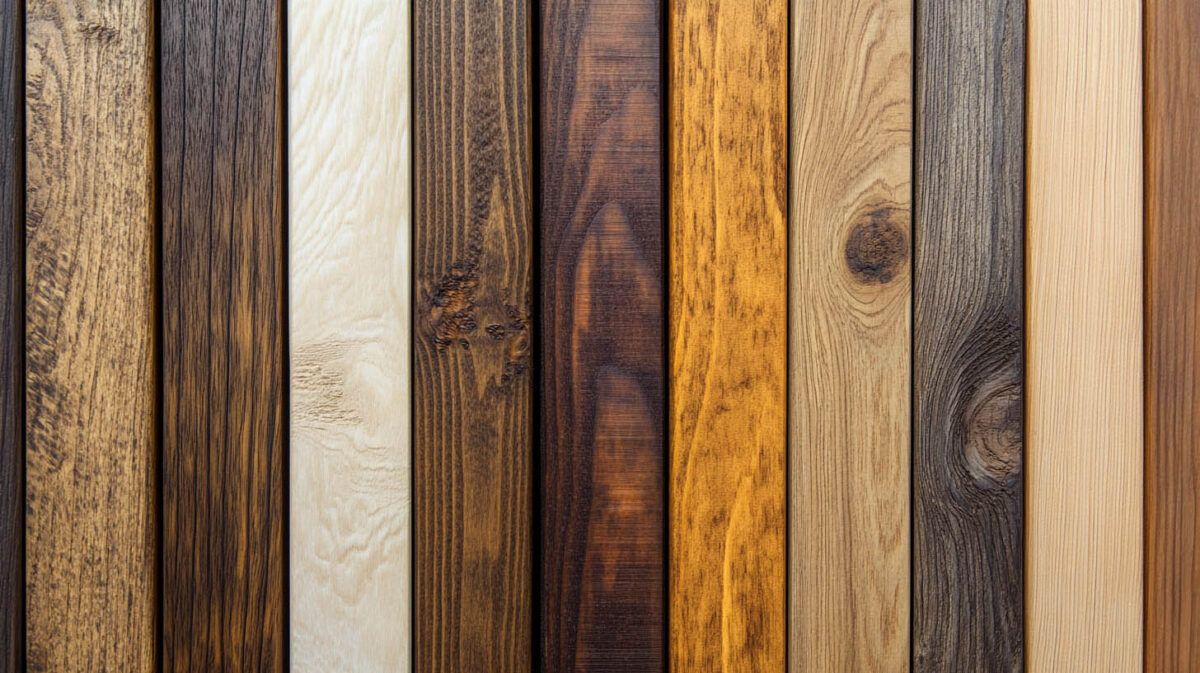
Choosing the right siding is an important step in renovating your home or building a new one. There are many types of options to consider. It is essential to look at the pros and cons to find what works best for you. This guide will show you the main differences between hardboard siding and wood siding. This knowledge will help you make an informed decision. We will cover the materials, durability, and maintenance. Our goal is to help you choose siding that matches your budget, style, and future needs.
Understanding Materials
Siding materials play a crucial role in protecting homes from external elements. Hardboard and wood siding are popular choices, each offering durable, unique benefits and drawbacks. Hardboard, made from cellulose fibers and resin, is known for its affordability but requires regular maintenance. On the other hand, wood siding, available in various types such as cedar and clapboard, exudes natural beauty but may be prone to rot and pests. Understanding these materials helps homeowners make informed decisions based on their needs and preferences.
The Role of Siding in Home Protection
Siding plays a crucial role in safeguarding homes against external elements. It acts as a shield, protecting the structure from weather changes, water damage, and pests. Proper siding installation by experienced installers enhances insulation, reducing energy consumption. The right choice provides both durability and curb appeal, ensuring the longevity and aesthetic appeal of your property. By choosing the appropriate material and cleaning it properly with a garden hose, homeowners can enjoy peace of mind knowing their investment is well-protected.
Overview of Hardboard and Wood Siding Options
When choosing between hardboard and wood options, it’s crucial to consider various factors. Hardboard, made from compressed wood fibers, offers affordability and a variety of styles but requires high maintenance. In contrast, wood siding, renowned for its natural beauty, comes in different types like cedar and clapboard. While wood siding may require more upkeep to combat rot and pests, it provides a timeless aesthetic appeal that hardboard siding may lack. Understanding these key differences will help you make an informed decision for your home’s exterior.
Introduction to Hardboard Siding
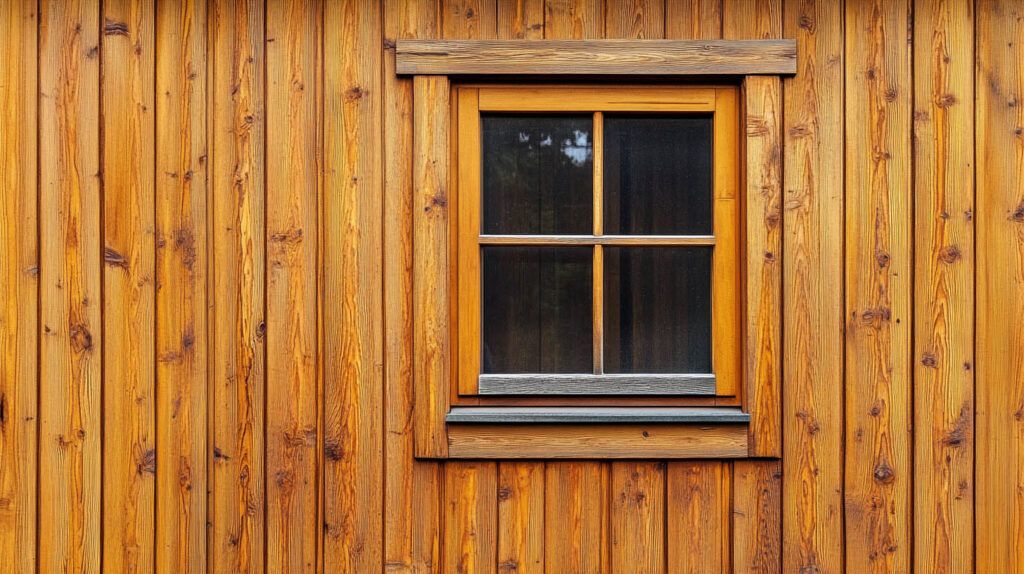
Hardboard siding is a cheaper option compared to regular wood siding. It is perfect for homeowners who want to save money. This siding is made from wood fibers, which usually come from sustainable sources. This makes it a good choice for the environment.
The way masonite siding and hardboard siding is made involves mixing wood fibers with resins. Then, they press this mixture into sheets. After that, the sheets are shaped to look like different wood grains and styles. Hardboard siding often comes already primed and finished with a coat of paint. This helps to save time and money during installation.
Composition and Manufacturing Process
Hardboard is made by compressing wood fibers with resins under high pressure and heat. The process involves steaming the wood chips to soften them before refining and pressing them into panels. On the other hand, Wood Siding is crafted from natural removed from trees and then cut into specific shapes and sizes for installation. Each type undergoes different treatments and procedures before being ready for use.
Pros and Cons of Hardboard Siding
Hardboard siding offers cost-effective solutions but is prone to water damage, swelling, and mold if not properly maintained. On the upside, it provides a variety of styles, mimicking wood siding without the high costs. However, it requires regular repainting due to its high maintenance nature. Choosing hardboard siding can be a balance between its affordability and the need for consistent upkeep to prevent issues like rot and moisture damage.
Exploring Wood Siding
Wood siding is a classic and stylish choice for people who want a natural and warm look for their homes. It is beautiful and flexible, which keeps it popular even with many other options available, including modern email notifications for homeowners interested in updates.
With its rich patterns, textures, and colors, wood siding brings a timeless charm that fits many building styles. Homeowners can stain or paint the wood to match their taste, making it even more versatile.
Types of Wood Siding Available
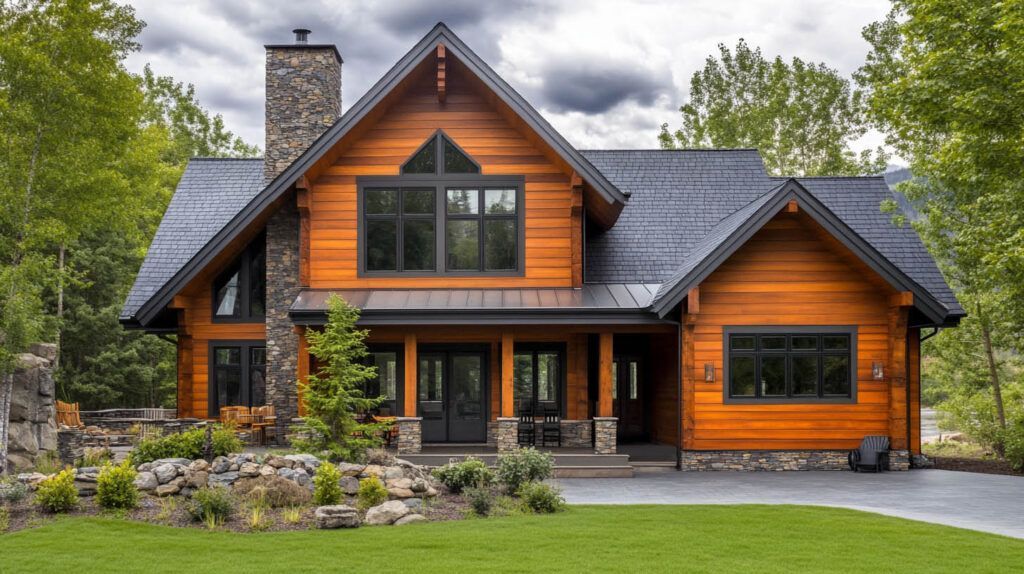
Cedar, pine, redwood, and cypress are common options for wood siding. Each wood type offers unique characteristics affecting appearance, durability, and maintenance requirements. Cedar is popular for its natural beauty and ability to resist insects and decay. Pine is cost-effective but may require more maintenance. Redwood boasts natural durability and insect resistance. Cypress is known for its natural preservatives that increase its lifespan. Understanding the differences between these options helps homeowners choose the most suitable siding for their property.
Advantages and Disadvantages of Wood Siding
Wood siding offers natural beauty and excellent curb appeal, enhancing the aesthetic value of a home. It provides good insulation, helping in temperature regulation and energy efficiency. However, wood siding requires regular maintenance such as repainting or staining to prevent issues like rot and mold. Additionally, it is susceptible to pests like termites and can swell or warp due to temperature changes and high humidity. Despite its charming look, wood siding necessitates more upkeep compared to other materials.
Comparing Durability and Maintenance
When looking at how long hardboard and wood siding last, we should think about how well they resist moisture, pests, and damage. Both options can protect your home, but wood siding usually lasts longer, especially if you take care of it.
This longer-lasting quality does mean you will need to do more upkeep. Wood siding requires regular painting or staining. This keeps it looking good and helps protect it from weather and pests.
Lifespan of Hardboard vs. Wood Siding
Hardboard siding typically lasts around 20-40 years, while wood siding can endure for 20-100 years, depending on maintenance and environmental factors. Wood siding’s longevity can vary based on the type of chosen and regular upkeep such as painting and sealing. In contrast, hardboard siding may require more frequent maintenance due to its composition, impacting its overall lifespan. Understanding the differences in durability helps homeowners make informed choices for their property’s exterior protection.
Maintenance Requirements for Each Type
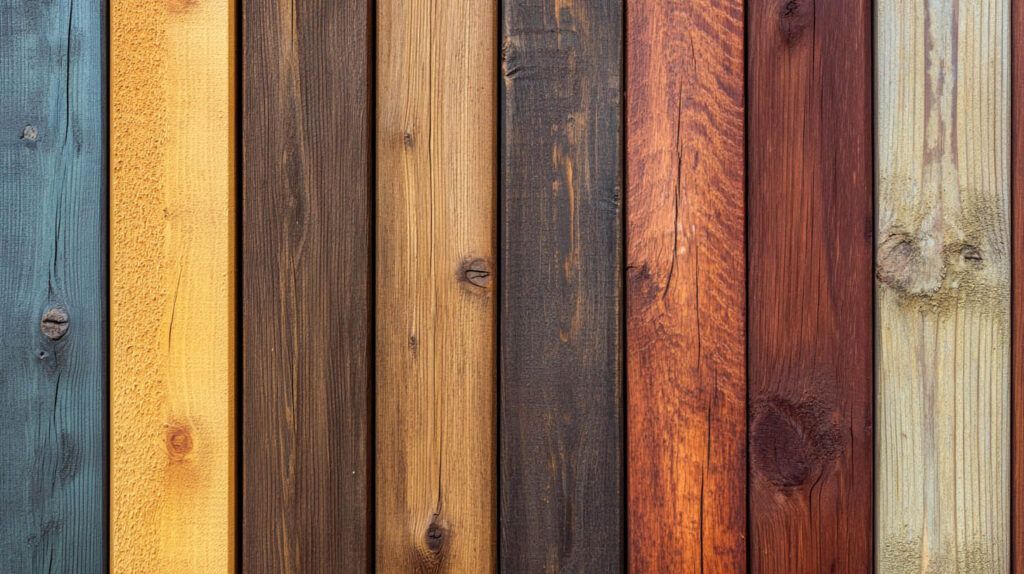
Both hardboard and wood siding require regular maintenance to ensure their longevity. Hardboard siding typically needs to be repainted every 5-7 years to prevent moisture damage and maintain its appearance. On the other hand, wood siding demands consistent upkeep to prevent rot, mold, and insect infestations. Regular inspections, cleaning, and sealing are necessary to protect wood siding from the elements. Understanding the specific maintenance needs of each type of siding is crucial in preserving their beauty and structural integrity.
Connect With Us
In conclusion, when deciding between hardboard and wood siding, consider factors like durability, maintenance, and aesthetic preferences. While hardboard offers a cost-effective option with a variety of styles, wood siding boasts a natural beauty and insulation benefits. Assess your local climate and maintenance capabilities to choose the material that best suits your needs for long-term performance and curb appeal. If you are looking for expert roofing and siding services in Waterford, MI, consider contacting 180 Contractors Roofing & Siding
Our partnership with top brands such as James Hardie, Alside, and Everlast ensures quality and reliability in our products. We are proud recipients of various awards, including being BBB A+ accredited, Guildmaster (Guildquality), INC 5000, Google Guaranteed, and Qualified Remodeler top 100 satisfaction. Make an informed decision to enhance your home’s protection and visual appeal.
Frequently Asked Questions
How to tell the difference between Hardie board and vinyl siding?
Hardie board siding and vinyl siding differ in composition and appearance. While Hardie board siding, which includes cement siding, is made of cement fibers for durability, vinyl siding is PVC-based and offers low maintenance. Look for texture and thickness differences to distinguish between them.
What is the difference between hardboard and wood siding?
Hardboard siding is made from pressed wood fibers. On the other hand, wood siding is made from solid planks. Wood siding is better for weather resistance, durability, and lasting longer than hardiplank, which is a cement board product. Hardboard is more likely to get damaged by moisture.
Learn more about
the safe cleaning and maintenance of stone veneer siding.
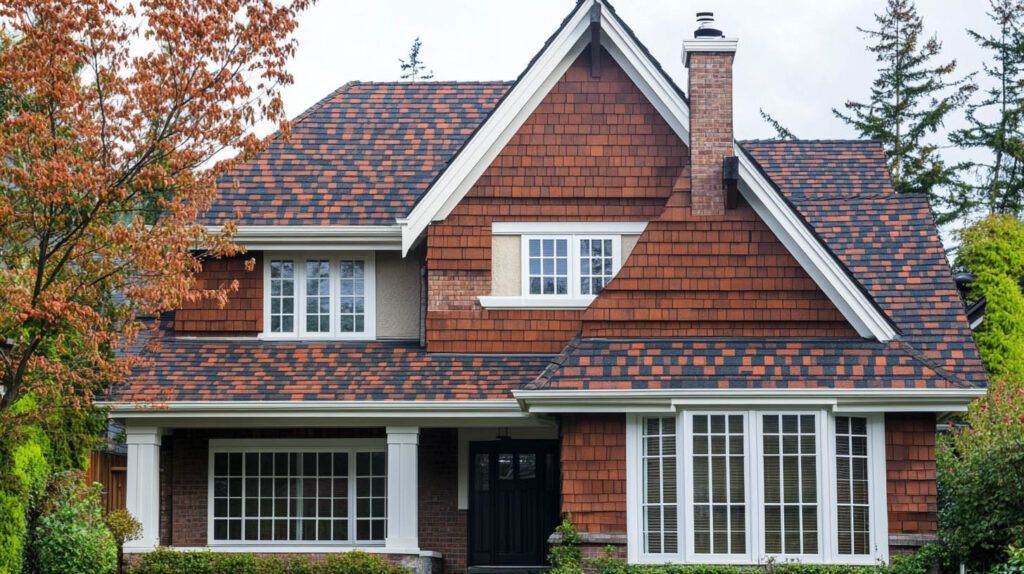
Comparing Costs: Siding Options Side by Side
When considering siding options, comparing costs is crucial for finding the best siding. Different siding materials vary in initial investment and long-term savings potential. Maintenance costs and requirements also differ, impacting the overall expense. From extreme weather conditions to durability, each type of siding material brings its unique cost considerations. Proper installation is key to maximizing the benefits of high-end siding choices. Understanding these factors helps in making an informed decision based on both short-term expenses and long-term savings.
Initial Investment vs. Long-Term Savings
Investing in high-end siding options entails an initial higher cost compared to standard alternatives. However, the long-term savings and benefits outweigh this upfront expense. Superior materials, such as stone or engineered wood, offer excellent durability, reducing maintenance and replacement costs over time. Additionally, advanced siding options contribute to improved energy efficiency, leading to lower utility bills in the long run. Thus, while the initial investment may be more significant, the substantial long-term savings make high-end siding the best choice for homeowners.
Maintenance Requirements: Time and Money Considerations
Maintenance for high-end siding options varies significantly. Stone and brick sidings demand minimal upkeep, likely limited to occasional cleaning. Stucco and engineered wood sidings necessitate regular inspections for cracks or moisture penetration, ensuring longevity. Proper upkeep can mitigate expensive repairs due to water damage or extreme weather conditions. Though initial costs may be high, low maintenance can offset long-term expenses, making high-end siding a worthwhile investment. Ensure to factor in both the time and money required for maintenance when selecting a siding option.
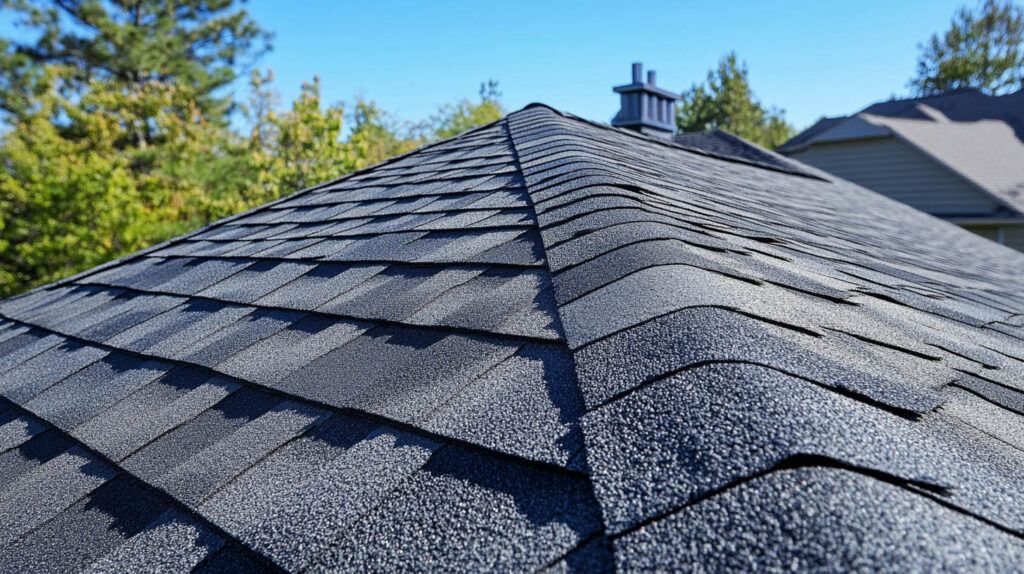
The Benefits of Investing in High-End Siding
Choosing expensive siding requires a lot of money. However, it is an investment that can bring good returns. These returns go beyond making your home look better. They include real benefits such as a higher property value and better energy efficiency.
If you see high-quality siding as an investment in your home, you can understand the upfront cost more easily. This view can help you benefit from it for many years. Knowing this can help you choose what works best for your long-term plans for your property.
Enhanced Curb Appeal and Property Value
Enhanced Curb Appeal and Property Value: Investing in high-end siding not only elevates the aesthetics of your home but also boosts its value significantly. The right siding choice enhances the overall curb appeal, making your property more attractive to potential buyers. High-quality siding materials offer long-lasting beauty and low maintenance, resulting in increased property value over time. Consider the impact of enhanced curb appeal when choosing the most expensive siding option for your home.
Improved Energy Efficiency: Reducing Long-Term Costs
Enhanced energy efficiency is a key feature of high-end siding options, leading to reduced long-term costs. By choosing siding materials that effectively insulate the home, you can lower your energy bills and decrease your carbon footprint. Properly installed siding acts as a barrier against extreme weather conditions, maintaining a comfortable indoor temperature year-round. Investing in energy-efficient siding not only enhances sustainability but also brings financial savings over time, making it a wise choice for environmentally-conscious homeowners.
Get in Touch
Investing in high-end siding is a decision that not only enhances the aesthetics of your home but also adds value and improves energy efficiency. While the initial costs may be higher, the long-term benefits outweigh the expenses. From the durability of stone siding to the charm of brick options, each material offers unique advantages. Consider your priorities – be it longevity, maintenance, or style – to select the most suitable and cost-effective siding for your property. When looking for high-quality siding options in Rochester Hills, MI, consider our company 180 Contractors Roofing & Siding.
We are proud to partner with industry-leading brands such as James Hardie, Alside, and Everlast, ensuring top-quality materials and craftsmanship for your siding project. Our commitment to excellence has been recognized through awards such as BBB A+ accredited, Guildmaster (Guildquality), INC 5000, Google Guaranteed, Qualified Remodeler top 100 satisfaction, showcasing our dedication to customer satisfaction and superior service.
Frequently Asked Questions
What makes stone siding more expensive than other options?
Natural stone siding is expensive because of two main reasons. First, the material costs for natural stone are high. Second, installing it requires skilled workers, which adds to the price. Its quality also makes it a premium siding option.
Can high-end siding options reduce overall maintenance costs?
High-end siding is strong and lasts a long time, even during high winds. Because it needs less maintenance, you can save a lot of money in the long run. This means you won’t have to fix or replace it often.
Learn more about
how to identify water damage to your home’s siding.
GET A FREE QUOTE
We will get back to you as soon as possible.
Please try again later.
Recent Posts