How to Identify Water Damage on Your Home’s Siding

180 Contractors • April 29, 2025
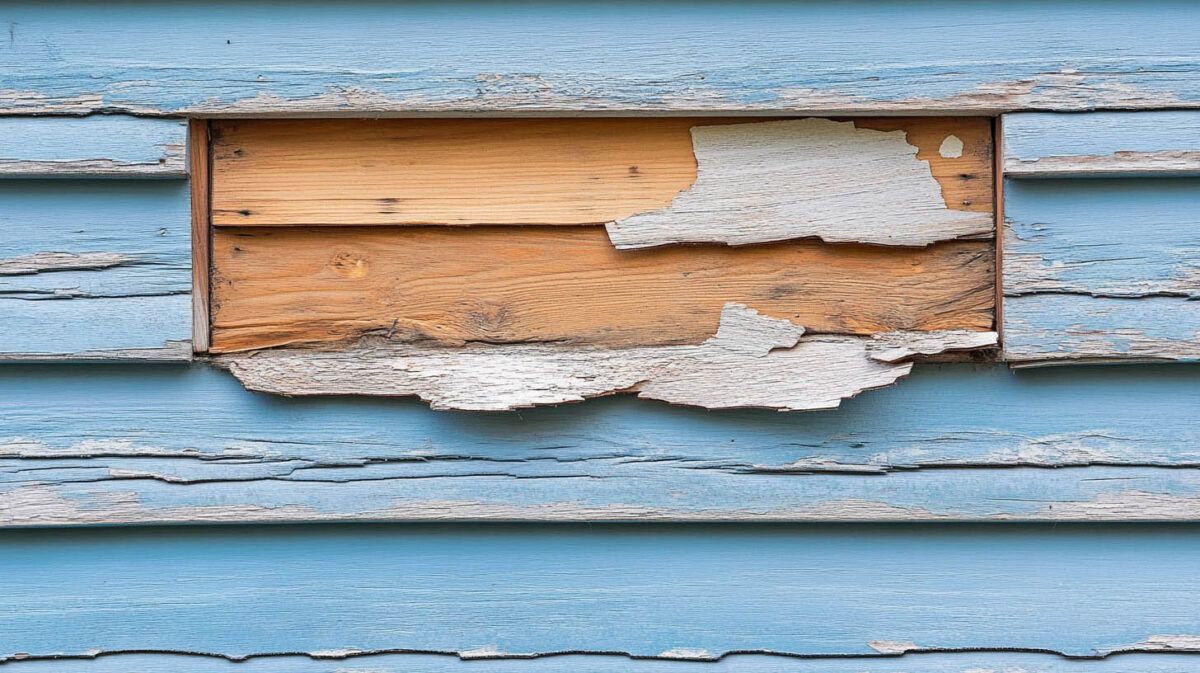
Weathered blue wooden siding with peeling paint revealing bare wood underneath

Your home’s siding is the first way to protect it from bad weather. It helps keep your home strong and makes it look nice. But, water damage can hurt this important layer. If you don’t fix it, many problems can happen. This guide will help you learn about the dangers of water damage. It will also help you spot the warning signs and show you how to keep your home exterior safe.


Understanding the Risks of Water Damage to Your Home’s Siding

Water damage to your siding is not just a surface problem. It can create serious issues for your home’s structure and safety. When water gets into your siding, it can cause wood rot. It may also bring in pests and harm the insulation, which makes your home less energy efficient.


What starts as a small leak can turn into a big problem over time. This can lead to costly repairs later on. So, it’s important for every homeowner to understand the risks of water damage.

Two-story house surrounded by floodwater, with trees and cloudy sky in the background

The Importance of Early Detection

Water damage can jeopardize your home’s structural integrity. Early detection is your first line of defense against costly repairs. Identifying signs of siding damage promptly can prevent further damage, such as wood rot or mold growth, safeguarding your home’s insulation and cooling systems. Moisture penetration through siding can lead to serious threats like pest infestations or interior damage. Recognizing even small cracks early can save you from a full siding replacement. Timely intervention not only preserves your home’s exterior but also ensures your peace of mind. Regular visual inspections and quick action are key in maintaining your siding in top condition. Trust experienced contractors like 180 Contractors Roofing & Siding for the best course of action.


Consequences of Ignoring Water Damage

Ignoring water damage on your home’s siding can have severe consequences. Failure to address signs of water damage promptly can lead to compromised structural integrity, necessitating a full siding replacement, which can be a costly endeavor. Ignored water damage can also result in moisture penetration, leading to mold growth, wood rot, and potential pest infestations within the walls. Furthermore, unchecked water damage can escalate into more extensive issues, affecting not only the exterior but also the interior of your home. Ignoring these warning signs may lead to expensive repairs and jeopardize the overall well-being of your home. It is essential to take immediate action to prevent further damage and protect your home’s siding from potential long-term consequences.

Gray two-story suburban house with white trim, front porch, and landscaped lawn

Key Signs of Water Damage on Siding

Seeing the signs of water damage early is really important. This helps in fixing the problem more effectively. Luckily, there are some clear signs that can warn you about siding issues. These signs usually show up in a way that is easy to see during regular checks or just casual looking around.


By knowing these common signs, you can act quickly. This will help stop further damage and keep your home’s exterior in good shape.


Discoloration and Staining

Discoloration and staining on your home’s siding are early signs of water damage. These visual cues can indicate moisture penetration, jeopardizing your home’s structural integrity. Discoloration often presents as patches of faded or darker hues, while staining can appear as streaks or spots on the siding material. Addressing these issues promptly can prevent further damage and expensive repairs. Discolored or stained areas may also attract pest infestations and mold growth, posing a serious threat to your home’s exterior. Regularly inspecting your siding for signs of damage, such as discoloration and staining, is crucial for maintaining your home’s siding in top condition and ensuring your peace of mind.

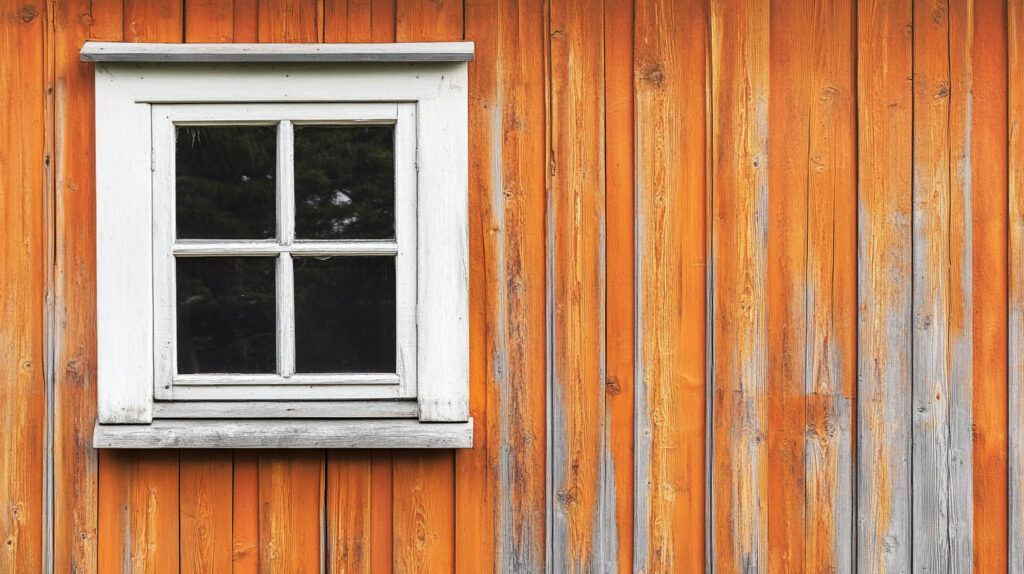
White-framed window on an orange wooden wall with weathered, peeling paint.

Warping or Swelling Siding Panels

Siding panels experiencing warping or swelling are clear indicators of water damage. This distortion is often caused by moisture infiltration, jeopardizing your home’s structural integrity. Such signs of siding damage require immediate attention to prevent further damage and expensive repairs. Warped or swollen siding not only compromises the appearance of your home’s exterior but also leads to moisture issues within your walls, possibly resulting in mold growth and pest infestations. Addressing these vulnerable areas promptly is crucial to maintaining your home’s siding in top condition and avoiding the need for a full siding replacement. If you notice any warping or swelling, consulting an experienced contractor is the best course of action to safeguard your home from the serious threats posed by water damage.


Connect With Us

Protect your home by keeping an eye on water damage on your siding. Finding problems early can help you avoid costly repairs. Watch for changes like discoloration, warping, or soft spots. If you see any of these signs, contact the experts at 180 Contractors Roofing & Siding for a complete check-up in Troy, MI.


Ignoring water damage can cause big structural problems. Trust our skilled team, partnered with brands like James Hardie, Alside, and Everlast, to quickly assess and fix any issues. Keep your home safe by being proactive and monitoring your siding for water damage. We are proud to be BBB A+ accredited, Guildmaster (Guildquality) award winners, INC 5000 recognized, Google Guaranteed, and Qualified Remodeler top 100 satisfaction providers. Book a consultation with us today for peace of mind. Visit our company website at 180 Contractors Roofing & Siding for more information.


Frequently Asked Questions

How can I tell if water damage is recent or old?

Look for signs like active leaks, fresh stains, and dampness to identify recent water damage. Older damage may show mold, mildew, or peeling paint. A professional inspection can confirm the timeline of the damage.


Can water-damaged siding lead to structural issues in my home?

Water-damaged siding can indeed lead to serious structural issues in your home. If left unresolved, it can compromise the integrity of the building, leading to costly repairs and potential safety hazards. Early detection and prompt action are crucial to prevent further damage.


How often should I inspect my siding for water damage?

Inspect your siding for water damage at least twice a year, ideally in spring and fall. Regular inspections help catch issues early, preventing costly repairs. Look for discoloration, warping, or soft spots.


Learn more about how to identify water damage to your home’s siding.

GET A FREE QUOTE

Share this article

Recent Posts

Aerial view of a large blue-gray house with dormer windows and a landscaped yard in autumn
By 180 Contractors May 14, 2026
Your roof works silently year after year, shielding your home from rain, wind, sun, and snow. But like every part of your home, it doesn’t last forever. The key is knowing when repair is no longer enough—and a full roof replacement is the smarter, safer move. For homeowners in Bloomfield Hills, MI, where intense season
Rainwater pouring from a house roof and gutter during a storm
By 180 Contractors April 13, 2026
Michigan weather can be tough on homes, especially when it comes to your roof. From heavy snow in the winter to strong thunderstorms in the summer, each season brings conditions that can wear down roofing materials over time. Knowing how these storms affect your roof can help you catch problems early and avoid more ser
Snow piled on a dark shingled roof, with scattered patches of snow across the surface.
By 180 Contractors March 3, 2026
If you’ve lived through a Michigan winter, you know your roof takes a beating. Between heavy snowfall, freezing rain, fluctuating temperatures, and strong winds, winter weather can quietly wear down even a well-built roofing system. By the time spring arrives, many homeowners are surprised to learn that damage has alre