Hardie Board vs. Cedar Siding: Choosing the Best Option for Your Home
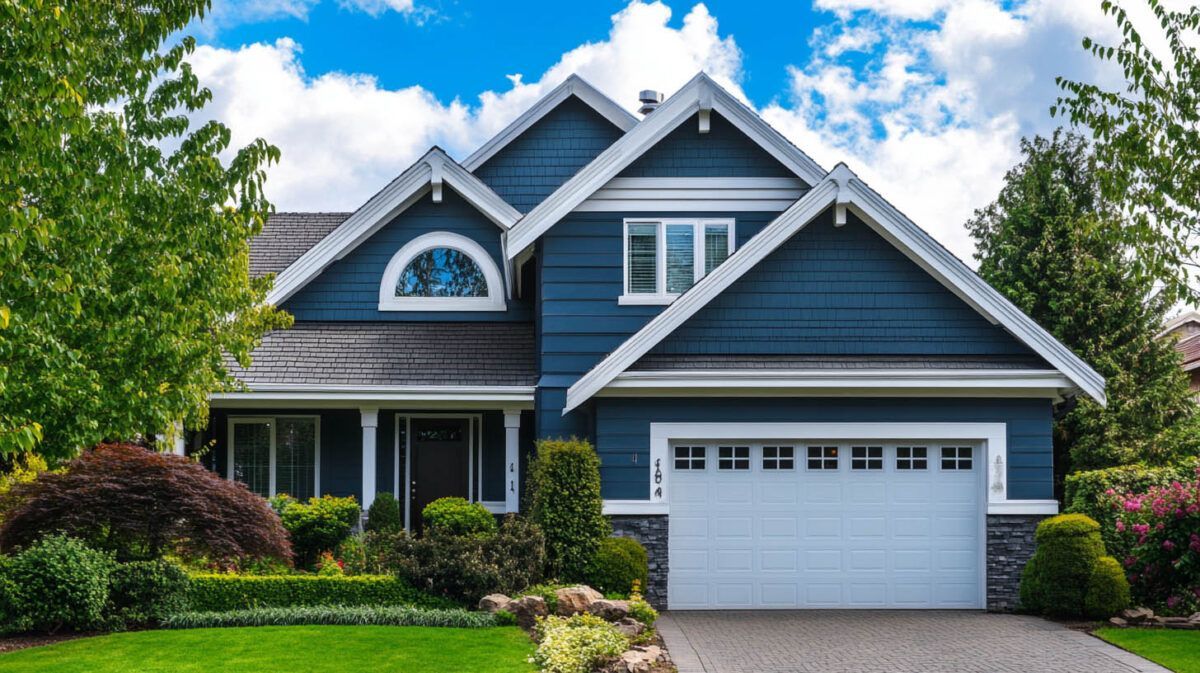
Selecting the right siding is a crucial decision that affects a home’s durability, aesthetics, maintenance requirements, and long-term value. Hardie Board (fiber cement) and cedar siding are two popular options, each offering distinct benefits. Below, we compare these siding materials in depth, analyzing their composition, cost, maintenance, durability, and environmental impact.
Composition and Material Properties
Cedar Siding: Natural Beauty with Traditional Appeal
Cedar siding is made from natural red or white cedar wood, offering a warm, rustic aesthetic. It is often available in various styles, including shingles, clapboard, and board-and-batten. While its organic composition allows for breathability and insulation, cedar is prone to moisture absorption, insect infestations, and gradual degradation.
Hardie Board Siding: Engineered for Strength and Longevity
Hardie Board, a fiber cement siding, is made from a blend of Portland cement, sand, and cellulose fibers. This engineered material replicates the appearance of wood while offering superior durability, weather resistance, and fire protection. Designed to endure harsh environmental conditions, fiber cement siding requires far less maintenance than natural wood.
Appearance and Aesthetic Options
Cedar Siding’s Natural and Customizable Look
Cedar siding is valued for its authentic wood grain and ability to take on stains and paints. It can be left untreated for a weathered look, but this requires ongoing maintenance to prevent decay. Cedar is often used in traditional and rustic-style homes, particularly in regions where wood exteriors are historically prominent.
Hardie Board’s Versatile Design and Customization
Hardie Board is available in a variety of textures and finishes, including those that mimic real wood grain. It can be factory-finished with baked-on color (James Hardie’s ColorPlus® Technology) or primed for custom painting. Unlike cedar, Hardie Board holds color longer, resists fading, and requires less frequent repainting.
Winner: Cedar offers unmatched natural beauty, while Hardie Board provides design flexibility with minimal upkeep.
Durability and Resistance to Environmental Factors
Cedar’s Vulnerability to Weather and Pests
Cedar siding is naturally resistant to decay and insects due to its natural oils, but it is still prone to moisture damage, warping, and splitting over time. Without consistent sealing or staining, cedar can rot or attract termites and woodpeckers.
Hardie Board’s Unmatched Strength and Longevity
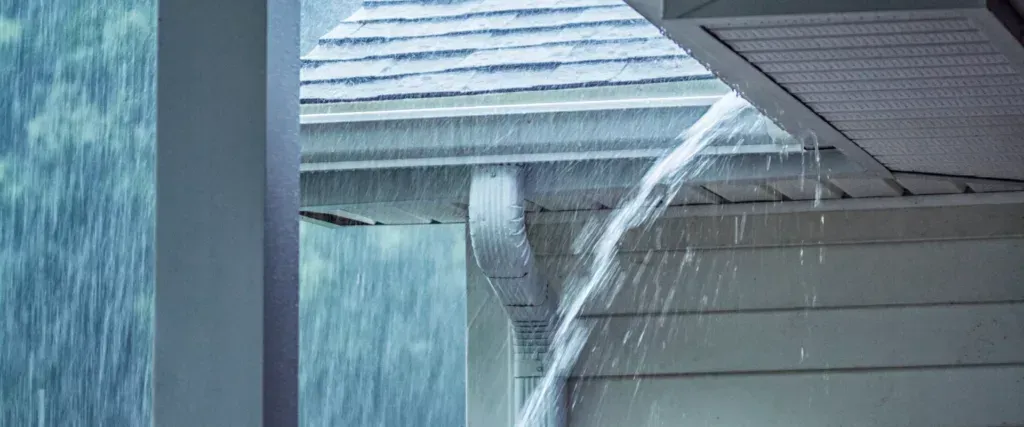
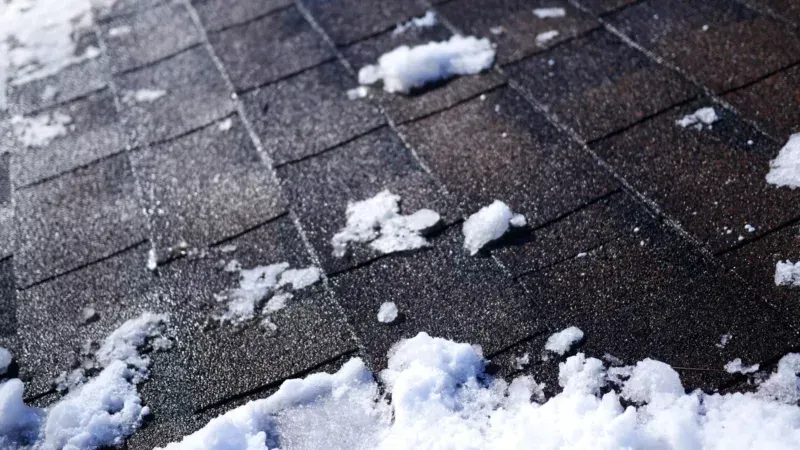
Hardie Board is engineered to resist extreme weather conditions, including heavy rain, snow, and high winds. It does not rot, crack, or warp like wood and is impervious to pests. Additionally, Hardie Board is non-combustible, making it a safer choice for fire-prone areas.
Winner: Hardie Board outperforms cedar in durability, weather resistance, and fire safety.
Maintenance Requirements
Cedar’s Frequent Upkeep Needs
To maintain cedar siding’s appearance and longevity, homeowners must reseal, repaint, or stain it every 3-5 years. Routine inspections for rot, insect damage, and moisture infiltration are also necessary. Neglecting maintenance can lead to costly repairs and reduced lifespan.
Hardie Board’s Low-Maintenance Advantage
Hardie Board siding requires minimal upkeep. A simple wash with mild soap and water once a year helps maintain its appearance. Factory-applied finishes last up to 15 years, reducing the need for frequent repainting.
Winner: Hardie Board offers a lower-maintenance alternative to cedar siding.
Cost Comparison
Cedar’s Higher Initial and Long-Term Costs
Cedar siding costs between $5-$7 per square foot for materials alone, with additional expenses for installation and ongoing maintenance. The need for frequent repainting, staining, and repairs increases long-term costs.
Hardie Board’s Cost-Effective Longevity
Hardie Board costs around $3-$4 per square foot for materials, making it a more affordable option than cedar. While installation costs can be higher due to its weight and specialized labor requirements, the reduced need for maintenance and longer lifespan provide a better return on investment.
Winner: Hardie Board is the more cost-effective choice when considering long-term value.
Environmental Impact
Cedar’s Sustainable Sourcing and Biodegradability
Cedar is a renewable resource, and when responsibly harvested, it can be an environmentally friendly choice. It is biodegradable and does not contribute to landfill waste like synthetic materials. However, frequent refinishing with stains and sealants can introduce chemicals into the environment.
Hardie Board’s Sustainable Longevity
Although fiber cement siding is not biodegradable, its durability reduces waste by lasting longer than wood. Some manufacturers incorporate recycled materials into production, and its non-toxic composition ensures safe disposal.
Winner: Cedar is biodegradable, but Hardie Board’s longevity results in less material waste over time.
Fire Resistance and Safety
Cedar’s Fire Risks
Cedar siding is highly flammable unless treated with fire-retardant chemicals. In fire-prone areas, it may not meet local building codes without additional treatments.
Hardie Board’s Fireproof Benefits
Hardie Board is a non-combustible material that does not ignite or contribute to the spread of flames. Many insurance companies offer discounts for homes with fiber cement siding due to its fire-resistant properties.
Winner: Hardie Board provides superior fire resistance compared to cedar.
Return on Investment and Resale Value
Cedar’s Traditional Appeal for Certain Buyers
Cedar siding adds curb appeal and may attract buyers who appreciate natural wood exteriors. However, its maintenance requirements and vulnerability to damage can deter some potential buyers.
Hardie Board’s High Resale Value
Homes with Hardie Board siding tend to have higher resale value due to its durability, low maintenance, and premium appearance. It is widely recognized as one of the best siding investments for long-term value.
Winner: Hardie Board offers a better return on investment due to its durability and low maintenance costs.
Expert Siding Installation for Long-Lasting Protection
For homeowners seeking professional siding installation, 180 Contractors Roofing & Siding, located in Waterford, MI, provides top-quality craftsmanship and premium siding solutions. As a BBB A+ accredited company and a Guildmaster award winner, we are committed to delivering outstanding results. We proudly install products from leading brands, including James Hardie, Alside, and Everlast, ensuring exceptional durability and style for every home.
Frequently Asked Questions
1. Which siding lasts longer: cedar or Hardie Board?
Hardie Board lasts 30-50 years or more, while cedar siding typically lasts 20-30 years with proper maintenance. Hardie Board’s resistance to moisture and pests contributes to its longer lifespan.
2. Does Hardie Board require painting?
Hardie Board is available with baked-on factory finishes that last up to 15 years. If a primed version is chosen, it can be painted to suit individual preferences. Unlike cedar, it does not need frequent repainting.
3. Is Hardie Board more expensive than cedar?
The upfront cost of Hardie Board is lower than cedar, and its reduced maintenance needs make it the more cost-effective option over time. Cedar requires ongoing upkeep, which adds to long-term expenses.
4. Which siding is better for humid climates?
Hardie Board performs better in humid climates because it is resistant to moisture, mold, and rot. Cedar siding absorbs water, making it prone to warping and decay in high-humidity environments.
5. Can Hardie Board look like real wood?
Yes, Hardie Board can be manufactured with a wood grain texture that closely resembles cedar siding. It offers the look of wood without the maintenance challenges.
Conclusion
Both cedar and Hardie Board siding offer aesthetic appeal and performance benefits, but Hardie Board stands out as the superior choice for durability, fire resistance, low maintenance, and long-term value. While cedar provides natural beauty, its higher maintenance requirements and vulnerability to weather and pests make it less practical for homeowners seeking a hassle-free siding solution.
Read also our blog:
Fiber Cement vs. Vinyl Siding: Which Offers the Best Long-Term Value?
GET A FREE QUOTE
We will get back to you as soon as possible.
Please try again later.
Recent Posts