The Importance of Pest-Resistant Siding
Pest infestations pose a major threat to home exteriors, often leading to structural damage, costly repairs, and ongoing maintenance issues. Traditional siding materials like wood and vinyl can attract termites, carpenter ants, woodpeckers, and other pests. Homeowners seeking a long-lasting, durable solution are turning to James Hardie fiber cement siding, a material specifically engineered to resist pest damage while enhancing curb appeal and protecting against harsh weather conditions.
Why James Hardie Siding Is a Superior Pest-Resistant Choice
1. Engineered to Prevent Pest Infestations
James Hardie fiber cement siding is composed of Portland cement, sand, water, and cellulose fibers, making it inedible to common pests. Unlike wood, which can be easily chewed through by insects, or vinyl, which creates gaps for pests to infiltrate, James Hardie siding forms a durable, impenetrable barrier that keeps homes pest-free.
2. Protection Against Termites and Wood-Destroying Insects
Termites cause billions of dollars in structural damage each year, primarily by feeding on wood. Hardie siding, however, contains no organic material, making it an unattractive option for termites, powderpost beetles, and carpenter ants. Without a food source, these destructive pests have no incentive to infest a home clad in fiber cement siding.
3. Resistance to Woodpeckers and Other Birds
Woodpeckers are notorious for drilling into wood siding, both to hunt for insects and to create nesting holes. Hardie siding’s dense, cement-based composition prevents birds from penetrating the surface, eliminating the risk of unsightly holes and costly repairs.
4. No Gaps or Entry Points for Rodents and Nesting Insects
Unlike vinyl siding, which requires expansion gaps to accommodate temperature changes, Hardie siding remains tightly fitted to the home’s exterior. This eliminates entry points for rodents, wasps, hornets, and other insects that often seek shelter behind less durable materials.
How James Hardie Siding Compares to Other Materials
Wood Siding: Highly Susceptible to Pests
Wood siding, while aesthetically appealing, is highly vulnerable to pest infestations.
- Termites and carpenter ants feed on wood, weakening its structure over time.
- Carpenter bees drill nesting holes, leading to significant deterioration.
- Woodpeckers cause visible damage while searching for insects beneath the surface.
Hardie siding eliminates these risks by providing a non-organic, pest-resistant alternative that maintains its integrity for decades.
Vinyl Siding: Prone to Pest Intrusion
Vinyl siding may seem like a low-maintenance option, but it does not effectively prevent pests due to its tendency to expand and contract.
- Expansion gaps allow termites, carpenter ants, and beetles to infiltrate the underlying wood frame.
- Hollow spaces behind vinyl siding provide an ideal nesting environment for wasps, hornets, and bees.
- Soft, thin plastic panels offer little resistance to rodents that can chew through weaker materials.
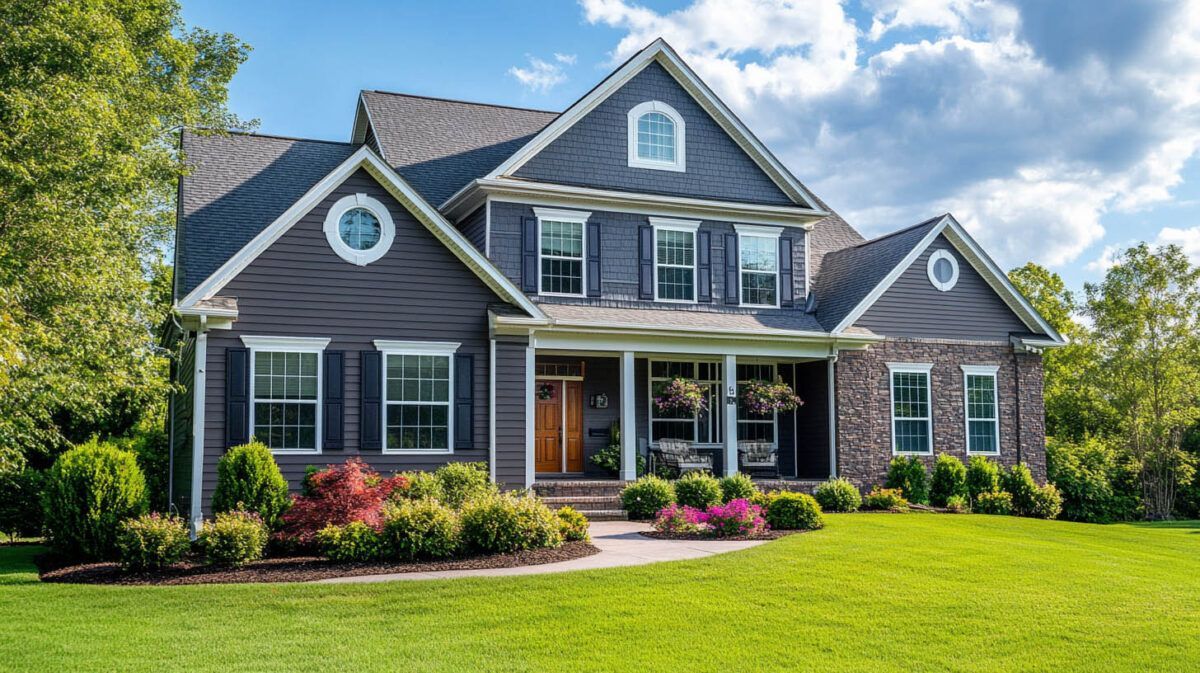
By contrast, James Hardie fiber cement siding creates a solid, durable exterior that blocks access to pests while maintaining a sleek, attractive appearance.
Additional Benefits of James Hardie Siding
1. Long-Lasting Durability
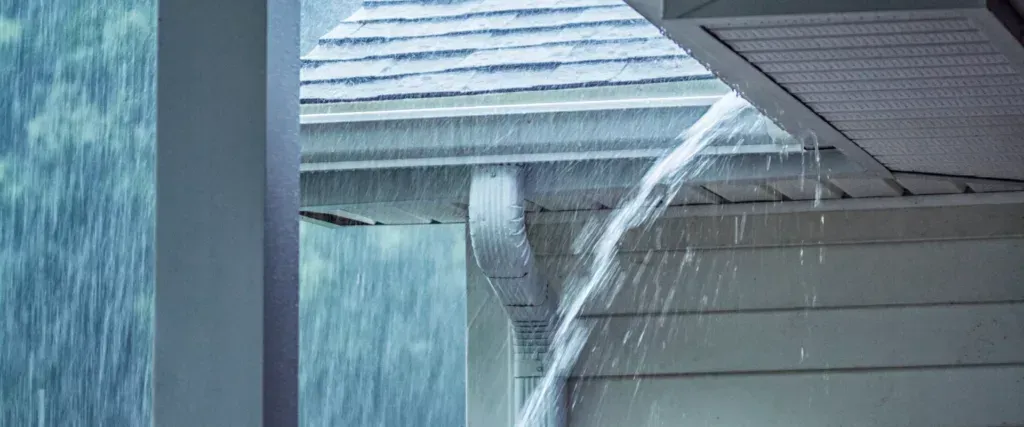
Hardie siding is designed to withstand extreme weather conditions, from heavy rain and snow to high winds and humidity. This prevents warping, cracking, and deterioration—issues that often create vulnerabilities in other siding materials.
2. Fire Resistance
Unlike wood and vinyl, fiber cement siding is non-combustible, adding an extra layer of protection against fire hazards. Many insurance companies even offer discounts for homes with James Hardie siding due to its enhanced safety features.
3. Minimal Maintenance
Traditional wood siding requires frequent painting and sealing to prevent rot and insect damage. Hardie siding, on the other hand, features ColorPlus® Technology, a baked-on finish that resists fading and peeling, reducing the need for upkeep.
4. Increased Home Value and Curb Appeal
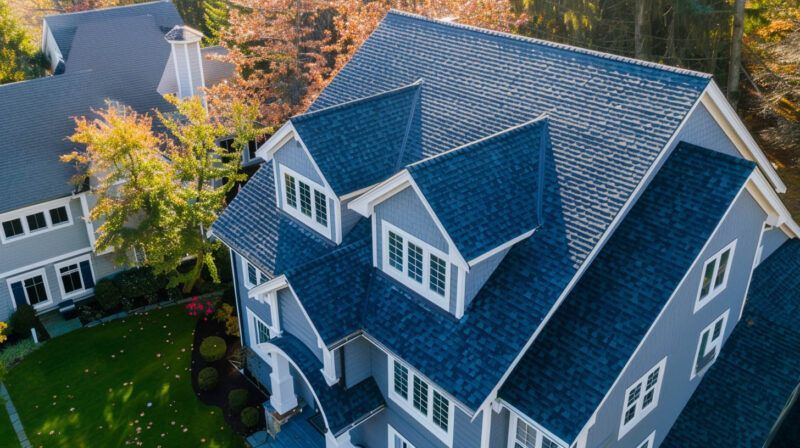
A home with James Hardie siding offers both aesthetic appeal and functional advantages, making it a desirable investment for potential buyers. The combination of pest resistance, durability, and energy efficiency can increase property value and reduce long-term maintenance costs.
Why Homeowners Trust 180 Contractors Roofing & Siding
For homeowners looking to upgrade their exterior, 180 Contractors Roofing & Siding, located in Waterford, MI, provides expert installation services with premium materials. With certifications including BBB A+ accreditation, Guildmaster (GuildQuality), INC 5000, Google Guaranteed, and a Top 100 Satisfaction award from Qualified Remodeler, our team ensures top-tier craftsmanship. We work with leading brands such as James Hardie, Alside, and Everlast to deliver superior, pest-resistant siding solutions.
Frequently Asked Questions About James Hardie Siding
1. Can termites damage James Hardie siding?
No. Unlike wood, Hardie siding contains no organic material, making it completely resistant to termite infestations.
2. Does James Hardie siding require pest control treatments?
No. Because it is naturally pest-resistant, there is no need for chemical treatments or pest control measures to protect Hardie siding.
3. Can rodents chew through fiber cement siding?
No. Hardie siding is too dense and durable for rodents to chew through, providing an additional layer of security against infestations.
4. Does fiber cement siding attract woodpeckers?
No. Since Hardie siding does not contain insects or a food source, woodpeckers have no reason to peck at it.
5. How long does James Hardie siding last?
James Hardie siding is designed to last 50 years or more with proper installation and maintenance, making it a cost-effective investment for homeowners.
Conclusion
James Hardie fiber cement siding offers an unmatched combination of pest resistance, durability, and aesthetic appeal. Unlike wood and vinyl, it effectively prevents infestations from termites, carpenter ants, woodpeckers, and rodents, ensuring long-lasting protection for homeowners. By investing in Hardie siding installed by experienced professionals, homeowners can enjoy a low-maintenance, high-performance exterior that enhances both curb appeal and property value.
Read also our blog:
Why Dark and Bold Colors Are Becoming a Top Siding Choice for Homeowners