The Importance of Proper Siding Installation
Siding plays a critical role in protecting a home from harsh weather, moisture intrusion, and energy loss. When installed correctly, it enhances curb appeal, increases property value, and provides long-lasting durability. However, improper siding installation can lead to serious structural issues, energy inefficiencies, and costly repairs. Homeowners should be aware of common signs of poor installation to prevent long-term damage.
Common Signs of Faulty Siding Installation
Higher Energy Bills and Poor Insulation
Siding serves as an additional insulation layer, helping to regulate indoor temperatures. If it is not installed correctly, gaps, improper sealing, and misaligned panels can allow drafts and heat loss, leading to increased energy consumption. Homeowners may notice:
- Rising heating and cooling costs.
- Uneven temperatures in different rooms.
- Difficulty maintaining a comfortable indoor climate.
Moisture Damage, Mold, and Mildew Growth
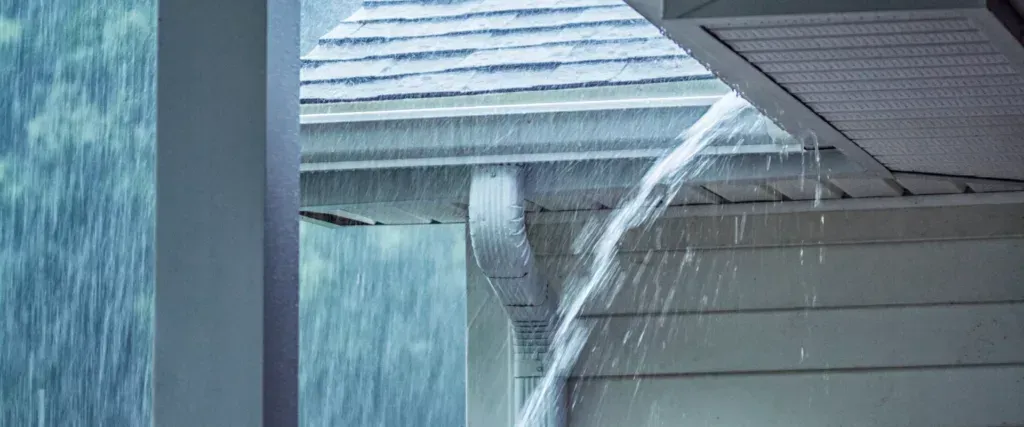
One of the primary functions of siding is to prevent moisture from penetrating the home’s structure. Improperly installed siding can create openings where water can seep in, leading to:
- Mold and mildew growth, which can cause health issues.
- Water stains on interior walls and ceilings.
- Rotting wooden structures, weakening the home’s foundation.
Without a properly installed moisture barrier, water damage can go undetected for years, leading to costly repairs.
Warping, Buckling, or Bulging Siding
Siding materials expand and contract with temperature changes. If they are nailed too tightly or without sufficient room for movement, they can buckle, warp, or crack. Key warning signs include:
- Panels pulling away from the wall.
- Bulging or uneven surfaces.
- Cracks or splits forming along the boards.
Professional installers leave small expansion gaps and use proper fastening techniques to prevent warping over time.
Misaligned or Uneven Panels
A home’s siding should create a smooth, symmetrical appearance. However, inexperienced contractors may fail to align panels properly, resulting in:
- Crooked or wavy siding lines.
- Gaps between panels that allow water and pests to enter.
- Inconsistent caulking or missing sealant.
Poorly aligned siding compromises both aesthetics and functionality, reducing the home’s value and protection.
Rusty Nails and Stains
Rusty nails indicate moisture problems and improper fastener selection. Professional installers use stainless steel or corrosion-resistant nails to ensure long-term durability. Signs of rust-related issues include:
- Brown streaks running down the siding.
- Nails popping out or becoming loose.
- Visible corrosion around fasteners.
Rusty nails often signal excess moisture retention, which can lead to more severe structural problems over time.
The Risks of Improperly Installed Siding
Structural Damage and Rot
Siding serves as a home’s first line of defense against the elements. Improper installation allows water to reach the underlying materials, causing:
- Decay of wooden framing.
- Weakened support structures.
- Cracked drywall and damaged insulation.
Unchecked structural damage can significantly reduce a home’s lifespan, requiring extensive and expensive repairs.
Pest Infestations
Gaps and openings from poor siding installation create an ideal entry point for pests, including:
- Termites and carpenter ants, which feed on wood structures.
- Rodents and small animals, seeking shelter behind loose siding.
- Wasps and bees, which nest in gaps and crevices.
Properly installed siding creates a tight, secure barrier against pest infestations.
Reduced Home Value and Curb Appeal
A home with buckling, cracked, or stained siding appears neglected. This can:
- Lower resale value and deter potential buyers.
- Require costly repairs before selling the home.
- Reduce overall neighborhood appeal.
Investing in professional installation ensures a home remains attractive and marketable.
Choosing the Right Siding Contractor
The Importance of Certified Installers
Professional siding contractors follow manufacturer guidelines, best practices, and industry standards. Certified contractors:
- Use high-quality materials suited to the home’s climate.
- Follow proper installation techniques to prevent future issues.
- Offer warranties and guarantees on workmanship.
The Benefits of James Hardie Preferred Contractors
James Hardie fiber cement siding is a top-performing material, but it requires precise installation. A James Hardie Preferred Contractor undergoes specialized training to:
- Ensure proper alignment and fastening techniques.
- Use approved moisture barriers to prevent water damage.
- Maximize the siding’s lifespan and manufacturer warranty.
Hiring a qualified contractor prevents common siding failures and ensures long-lasting protection.
Why Homeowners Trust 180 Contractors Roofing & Siding
For superior siding installation,
180 Contractors Roofing & Siding, located in Rochester Hills, MI, offers expert craftsmanship backed by industry-leading certifications. With recognition from BBB A+ accreditation, Guildmaster (GuildQuality), INC 5000, Google Guaranteed, and Qualified Remodeler Top 100 Satisfaction, we deliver top-quality service. We work with premium brands like James Hardie, Alside, and Everlast to ensure durable, high-performance siding solutions.
Frequently Asked Questions
How do I know if my siding was installed incorrectly?
Common signs include warping, gaps, water stains, mold growth, and rising energy bills. Inspecting the siding’s alignment, caulking, and moisture resistance can reveal installation flaws.
Can faulty siding installation lead to structural damage?
Yes. Water infiltration, wood rot, and pest infestations can weaken a home’s framework, leading to costly repairs.
What should I do if my siding is failing?
Contact a professional siding contractor to assess the damage and recommend solutions. Replacing improperly installed siding with high-quality materials ensures long-term durability.
How long does properly installed siding last?
With expert installation and maintenance, fiber cement siding lasts over 50 years, while vinyl siding typically lasts 20-30 years.
Is it worth replacing poorly installed siding?
Yes. Correcting faulty siding prevents future damage, reduces energy costs, and improves home value, making it a worthwhile investment.
Conclusion
Faulty siding installation can lead to energy inefficiency, moisture damage, pest infestations, and costly structural repairs. Identifying the warning signs early and hiring experienced professionals ensures long-lasting protection. Investing in high-quality materials and expert craftsmanship safeguards a home’s durability, energy efficiency, and curb appeal for decades.
Read also our blog: The Hidden Dangers of an Improperly Installed Weather Barrier