How Long Does a Roof Last? Lifespan by Material and Climate
The lifespan of a roof is a critical consideration for homeowners, influencing not only maintenance budgets but also the overall integrity of the dwelling. At 180 Contractors Roofing & Siding in Bloomfield Hills, MI, we understand that various factors contribute to this, including the type of roofing material selected and prevailing weather conditions, such as high winds or extreme temperatures. Our expertise in roofing services can help homeowners make informed decisions that enhance the longevity of their roofs. By prioritizing quality materials and professional installation, we minimize risks like moisture buildup, ensuring peace of mind for years to come.
Understanding Roof Lifespan Basics
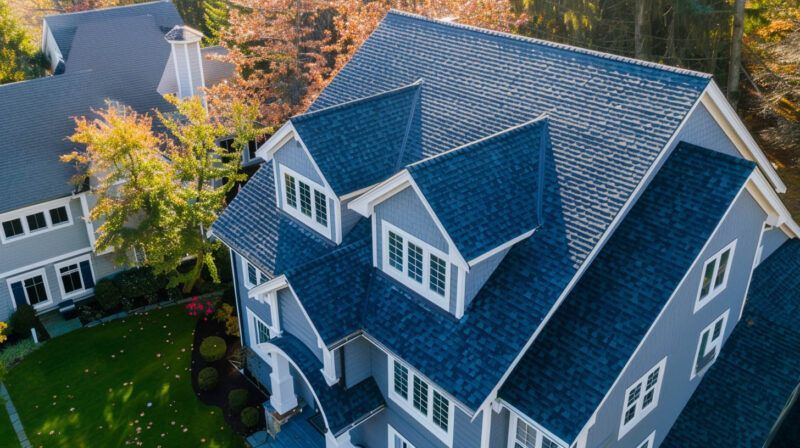
Numerous factors play a crucial role in determining the lifespan of your roof. The type of roofing material significantly influences durability; for instance, architectural asphalt shingles generally perform well under various weather conditions while metal roofs can withstand extreme temperatures. Quality of installation is equally important, as poor installation can lead to issues like moisture buildup and leaks. Regular maintenance, including inspections and timely repairs, is essential for extending the roof’s life expectancy, ensuring that the integrity of the roof remains intact throughout its lifespan.
Factors Influencing Roof Durability
Numerous elements contribute to the durability of a roof, significantly affecting its lifespan. The type of roofing material chosen impacts how well it withstands extreme weather conditions, while proper installation ensures structural integrity. Regular maintenance and inspections further enhance resilience by identifying potential issues like algae growth and moisture buildup early on. Additionally, the local climate plays a crucial role; areas prone to high winds or intense sun exposure may see a shorter lifespan, demanding consideration when selecting roofing materials for optimal performance.
Importance of Professional Installation and Maintenance
Quality of installation directly impacts a roof’s longevity. Professional roofing contractors ensure the proper installation techniques are followed, minimizing potential issues like moisture buildup and poor ventilation. This expertise not only extends the roof’s life expectancy but also enhances its ability to withstand extreme weather conditions, be it high winds or intense sun exposure. Regular maintenance, including prompt inspections and timely repairs, is crucial for preserving the integrity of the roof and preventing larger problems, ultimately providing peace of mind for homeowners.
Lifespan of Different Roofing Materials
Different roofing materials yield varying lifespans, influenced by climate and installation quality. Asphalt shingles, commonly used for their cost-effectiveness, can last 15 to 30 years, while architectural shingles offer enhanced durability. Metal roofs, known for resilience, often reach lifespans of 40 to 70 years, proving effective against extreme weather conditions. Slate and tile roofs, although more expensive, can surpass 100 years if maintained properly. Considerations like proper ventilation and regular maintenance are essential for maximizing the longevity of all roofing types.
Asphalt Shingles: Cost-Effective and Widely Used
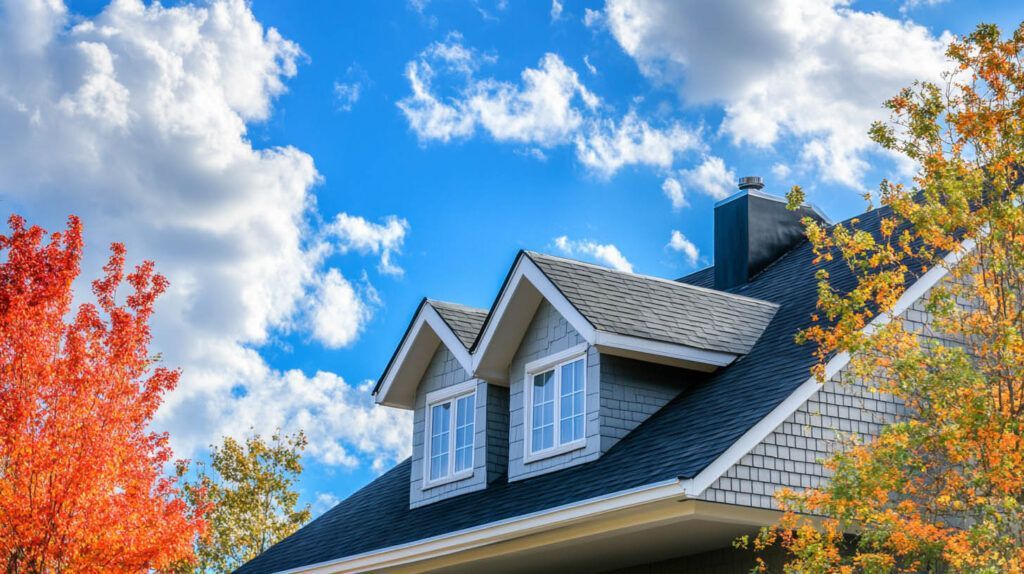
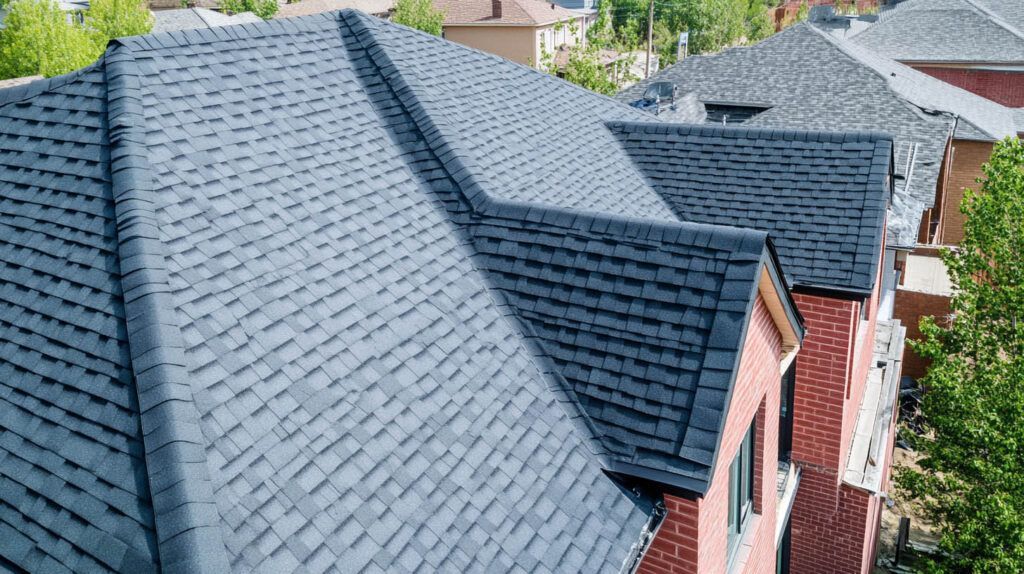
Offering a balance of affordability and durability, architectural asphalt shingles are among the most popular roofing materials in the United States. With an average lifespan of 15 to 30 years, these shingles can withstand various weather conditions when properly installed. High-quality installation enhances the roof’s integrity, while regular maintenance safeguards against common issues like moisture buildup and algae growth. Moreover, the availability of different styles allows homeowners to tailor their choice to complement their property’s aesthetic appeal and enhance the roof’s longevity.
Metal Roofing: Longevity and Durability
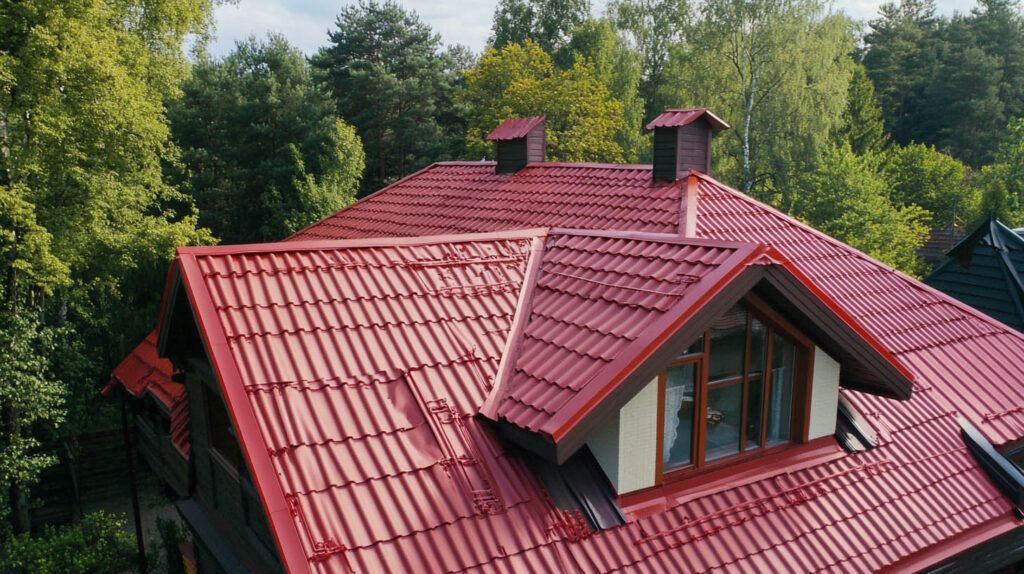
Exceptional longevity and durability are hallmark traits of metal roofing, often exceeding the average lifespan of other materials. Its resistance to extreme weather conditions, such as strong winds and UV rays, enhances the roof’s longevity. Metal roofs also offer imperviousness to moisture buildup, preventing water damage and issues like algae growth. By investing in quality materials and ensuring proper installation, homeowners can significantly extend the life of their roof. Regular maintenance, including inspections, further safeguards the integrity of the roof and ensures it stands the test of time.
Wood Shakes and Shingles: Aesthetic Appeal with Maintenance Needs
A popular choice for their natural beauty, wood shakes and shingles offer distinctive curb appeal that can enhance any property. However, achieving their desired longevity requires attention to maintenance, particularly in regions facing extreme weather conditions. Regular inspections and protective treatments are essential to combat potential issues like moisture buildup or algae growth. With proper installation and care, the life of your roof can significantly extend, combining aesthetic charm with a reliable, long-lasting roofing solution. Ultimately, the durability of wood shingles is heavily influenced by local climate and maintenance practices.
Clay and Slate Tiles: Premium Materials with Extended Lifespans
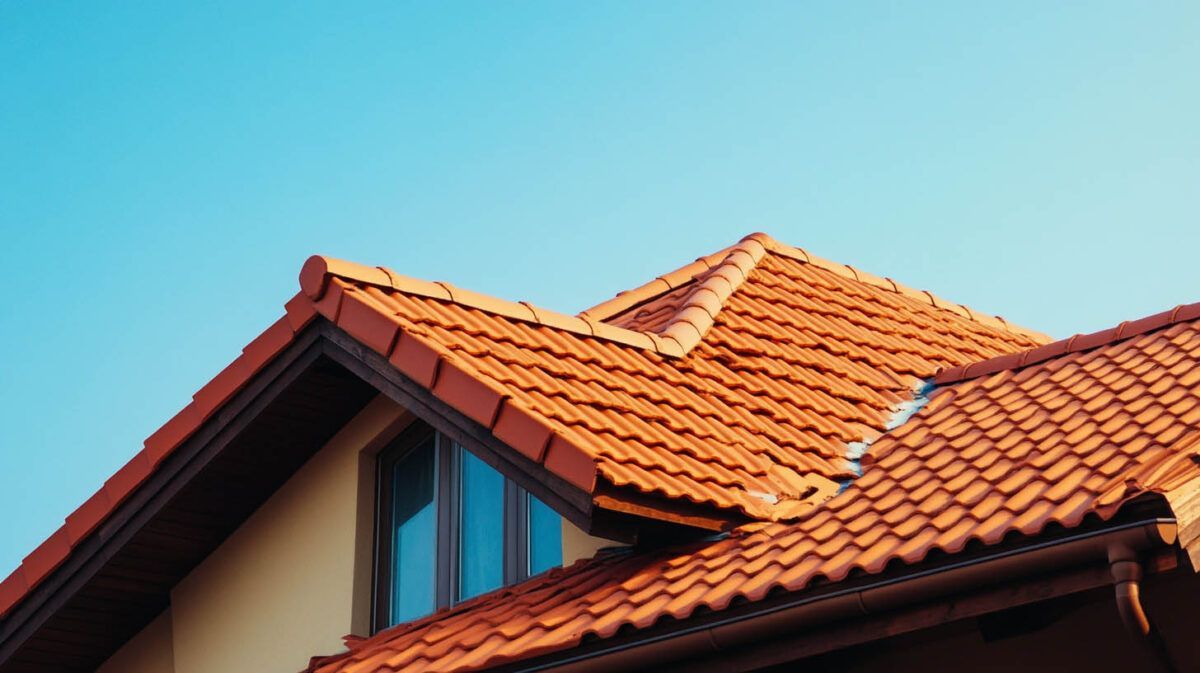
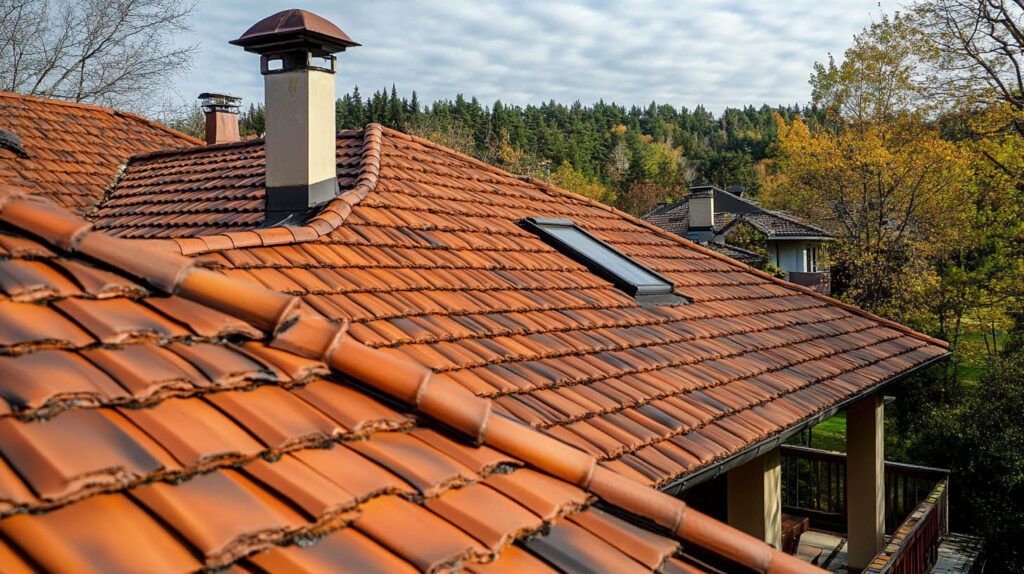
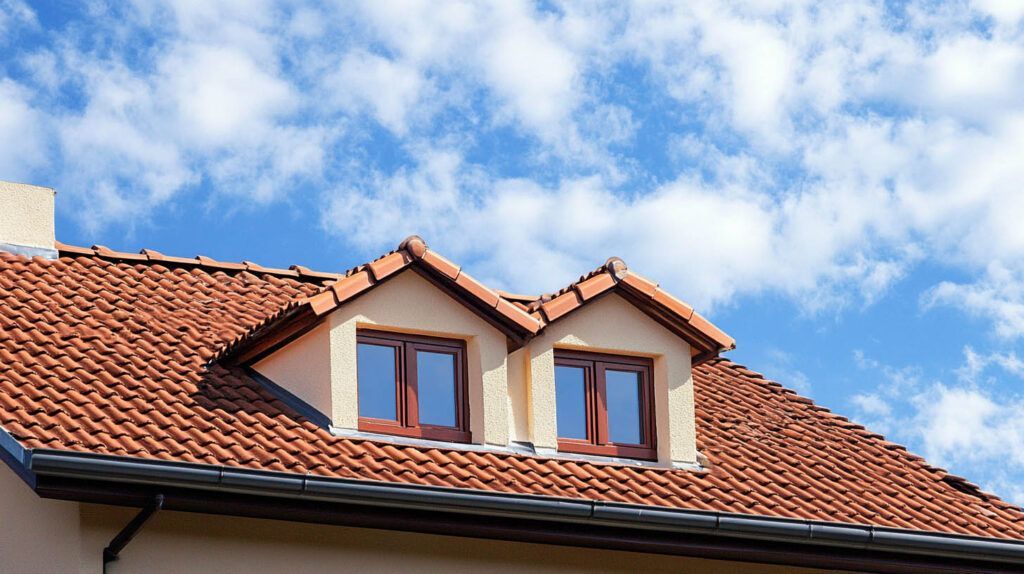
Clay and slate tiles are highly regarded for their exceptional durability and longevity, surpassing the typical lifespan of a roof. These top-tier materials possess natural resistance to harsh weather elements, including strong winds, UV rays, and moisture accumulation. By withstanding such extreme conditions effectively, they mitigate the chances of water-related issues and the growth of algae, offering homeowners a sense of security and protection for their property. It is important to note that the quality of installation plays a pivotal role in determining their performance. Hence, it is imperative to engage an experienced roofing contractor for the installation process to ensure structural integrity and maximize the lifespan of your roof.
Flat and Rubber Roofs: Modern Solutions for Unique Needs
Modern solutions such as flat and rubber roofs offer practical applications for various architectural designs, especially in commercial buildings. These roofing types are often constructed with high-quality materials that emphasize durability against extreme weather conditions. The average lifespan of such roofs can be extended with proper ventilation and regular maintenance, ensuring the integrity of the roof remains intact. Additionally, addressing issues such as moisture buildup and sun exposure can prevent common problems like algae growth and water damage, ultimately enhancing the roof’s longevity.
Climate Impact on Roof Longevity
Local climate plays a crucial role in determining the lifespan of a roof. Extreme weather conditions, such as high winds, heavy rainfall, and intense UV rays, can accelerate wear and tear on various roofing materials. In regions with consistent temperature fluctuations, roofs may experience stress, leading to moisture buildup and potential leaks. Proper ventilation and maintenance can mitigate these issues, ensuring the integrity of the roof remains intact. Conversely, favorable climates can enhance the longevity of the roofing project, ultimately contributing to the roof’s life expectancy.
How Cold and Snow Affect Roof Materials
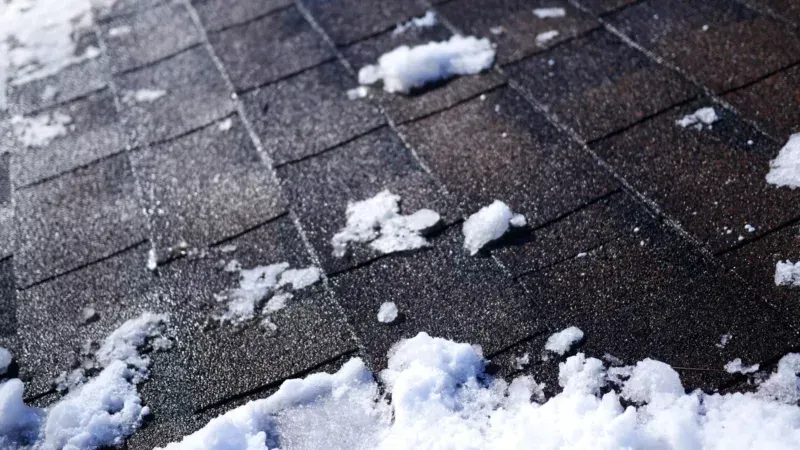
Cold temperatures and snow accumulation pose unique challenges for various roofing materials. The combination of moisture buildup and extreme weather conditions can lead to ice dams, which may cause significant water damage if not addressed. Additionally, materials like asphalt shingles can become brittle in harsh cold, decreasing their life expectancy and compromising the integrity of the roof. Proper ventilation and installation quality are essential to enhance the roof’s longevity and mitigate potential damage from snow loads and freezing temperatures. Regular inspections can help identify early signs of wear or issues.
The Toll of Heat and Sun Exposure
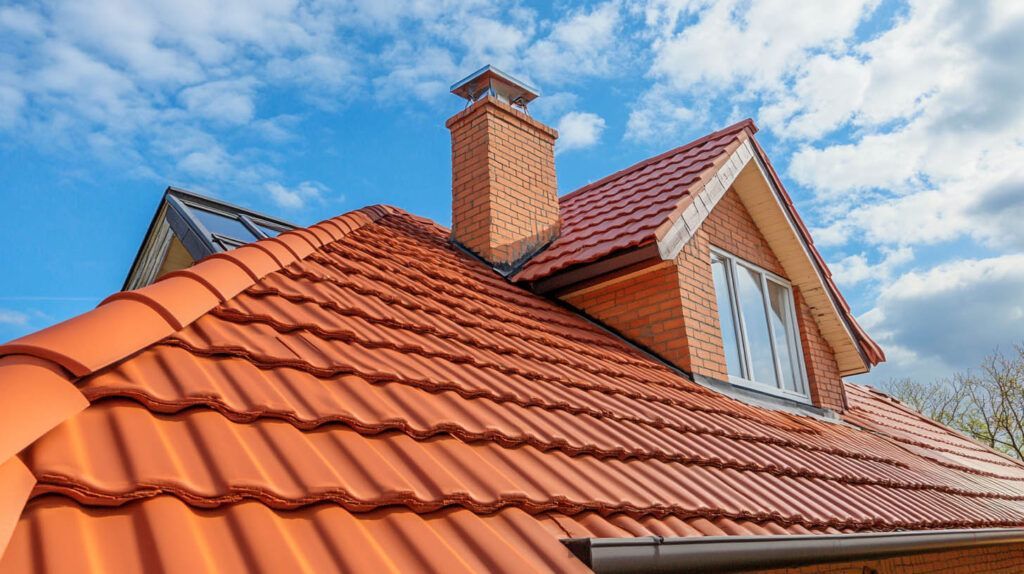
Intense heat and prolonged sun exposure can significantly diminish a roof’s longevity. UV rays degrade protective granules in roofing materials, leading to premature aging and moisture buildup. Asphalt shingles, for instance, may suffer from increased susceptibility to damage and reduced life expectancy when exposed to extreme temperatures over time. Regular inspections become crucial in assessing the integrity of the roof, helping to identify wear caused by relentless sunlight. Proper ventilation techniques are also essential to counteract the effects of heat and ensure a sustainable roofing system.
Managing Moisture and Rain: Prevention Tips
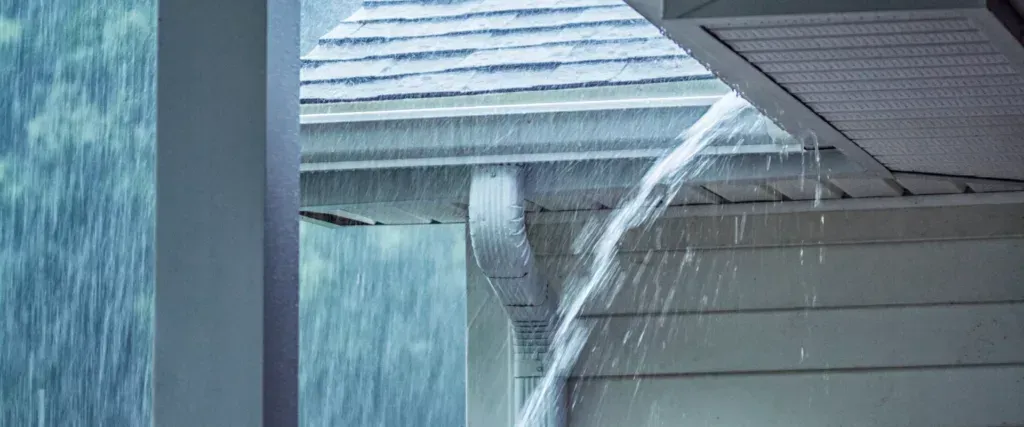
Effective moisture management is crucial for extending the lifespan of your roof. Installing proper ventilation systems aids in regulating temperature and reducing humidity, which in turn limits moisture buildup that can lead to damage. Additionally, ensuring that your roofing materials, such as architectural asphalt shingles, are equipped with protective granules can enhance their longevity. Regular inspections can help identify small issues before they escalate, while maintaining adequate drainage can prevent water pooling that contributes to leaks and structural integrity concerns.
Preventative Measures to Extend Roof Life
Regular inspections play a crucial role in identifying potential issues before they escalate. Thorough assessments can reveal problems such as moisture buildup, algae growth, or damage from extreme weather conditions that, if addressed promptly, will uphold the integrity of the roof. Implementing proper maintenance routines, including clearing debris and ensuring adequate ventilation, can also significantly extend the roof’s longevity. Additionally, engaging a qualified roofing contractor for regular evaluations guarantees that your roofing materials, whether asphalt shingles or metal roofs, are functioning optimally and remain protected.
Regular Inspections and Maintenance Schedules
Regular inspections and maintenance schedules significantly extend the lifespan of your roof. Engaging a reliable roofing contractor for routine check-ups helps identify small issues before they escalate into costly repairs. Consistent temperature fluctuations and extreme weather conditions can affect your roof’s integrity, making these inspections crucial. Implementing a proactive maintenance plan, which includes cleaning protective granules and ensuring proper ventilation, safeguards against moisture buildup and algae growth, thus optimizing the life of your roofing materials. With proper maintenance, you can enjoy peace of mind and a longer-lasting roof.
Immediate Repairs to Avoid Larger Issues
Taking care of small problems with your roof right away can help the lifespan of a roof. If you ignore little leaks or cracks, you may end up with water damage or moisture buildup. This can hurt the roofing materials. It could also mean you need expensive repairs later. Regular inspections help you spot these issues early. That way, you can do immediate repairs when you need to. If the roof gets storm damage or starts to wear out because of UV rays, fixing it fast will stop worse things from happening later. If you spend time and the right amount of attention on prompt work, your roof will do well, even in extreme weather, and stay in good shape in the long run.
Choosing the Right Material for Your Climate
Choosing the right roofing materials for your local climate can help make the lifespan of your roof much longer. For example, metal roofs work well in places with high winds and extreme temperatures. Asphalt shingles from brands like CertainTeed and Owens Corning are a good and less expensive choice if you live in an area with a moderate climate. If the region you live in has a lot of rain or heavy snow, slate or clay tiles are a great pick because they stop water from getting in. To get the most out of your roof’s longevity, be sure that the type of material you use, including options from trusted brands like CertainTeed and Owens Corning, is best for your weather. This will help your roof stay strong and last into the long run.
Certifications and Warranties Offered by 180 Contractors
Choosing 180 Contractors for your roofing project grants you valuable certifications and warranties that enhance peace of mind. Our Owens Corning Preferred Contractor and CertainTeed Shingle Master certifications ensure high installation quality and adherence to industry durability standards. Our BBB A+ accreditation signifies our commitment to excellence, while Guildmaster recognition highlights our dedication to customer satisfaction. We are also proud to be listed in the INC 5000 for rapid growth and success. Additionally, our Google Guaranteed status adds trust for clients, and being named one of Qualified Remodeler’s top 100 for satisfaction underscores our focus on exceptional service. These credentials assure the longevity of your roof and reinforce its integrity over time.
Owens Corning Preferred and CertainTeed Shingle Master Benefits
Owens Corning Preferred and CertainTeed Shingle Master statuses give big benefits to the people who own homes. These show that the roofing contractor has special training. It helps the quality of installation be better. The contractors also get the best quality materials, such as architectural shingles, from these brands. You get a roof that lasts for a long time and works well. The warranties you get also give peace of mind. This is because your investment is safe if there are problems. Picking a contractor with these credentials makes it less likely for you to have roof leaks. It helps your roof last longer, even when the weather conditions are rough.
Understanding Our BBB A+ and Guildmaster Accreditations
Accreditations such as the BBB A+ rating and Guildmaster distinction reflect a commitment to quality and customer satisfaction in the roofing industry. These credentials signify that a contractor adheres to high standards of service and ethics, promoting trustworthiness and reliability. Being recognized by these organizations not only ensures that customers receive superior installation and maintenance practices but also offers peace of mind regarding the integrity of the roof. Such distinctions are crucial, particularly when considering the complexities of different roofing materials and the need for maintaining a roof’s longevity.
Your Next Steps
A roof’s longevity ultimately hinges on the combined effects of material choice, environmental conditions, and quality of installation, all of which are expertly addressed by 180 Contractors Roofing & Siding, located in Bloomfield Hills, MI. Our team emphasizes regular maintenance and timely repairs, which play a crucial role in extending the integrity of the roof and safeguarding against elements like moisture buildup and storm damage. For homeowners in the Bloomfield Hills area, understanding these factors not only enhances their peace of mind but also maximizes the investment in their roofing project. With proper care and consideration from 180 Contractors, one can ensure the roof stands the test of time and offers lasting protection.
Read our blog: Solar Shingles: Combining Energy Efficiency with Aesthetics
Frequently Asked Questions
What is the average lifespan of a roof in Michigan?
In Michigan, the average lifespan of a roof varies by material. Asphalt shingles typically last 15-30 years, while metal roofs can endure 50 years or more. Climate factors such as snow and humidity also influence longevity, requiring proper maintenance for optimal performance.
How often should I inspect my roof?
Regular roof inspections are essential for maintaining its longevity. Homeowners should inspect their roofs at least twice a year, ideally in spring and fall. Additionally, after severe weather events, immediate checks help identify potential damage and prevent costly repairs down the line.
Can the choice of roofing material reduce overall maintenance costs?
Yes, selecting the right roofing material can significantly lower maintenance costs. Durable options like metal or high-quality asphalt shingles require less frequent repairs and provide better weather resistance, ultimately saving homeowners money in the long run. Investing wisely pays off.
GET A FREE QUOTE
We will get back to you as soon as possible.
Please try again later.
Recent Posts