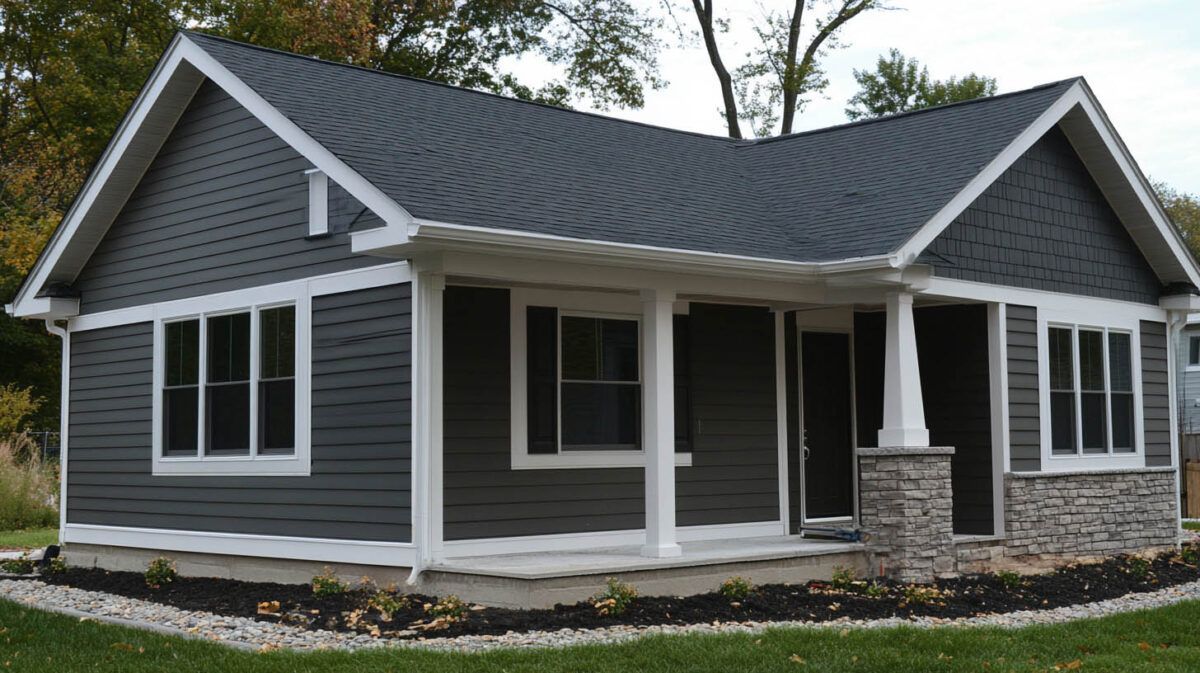
Installing new siding is a major home improvement project that enhances curb appeal, improves energy efficiency, and protects against weather damage. The timeframe for siding installation varies based on factors like home size, material selection, and weather conditions. Understanding the typical timeline and potential delays helps homeowners plan effectively for their renovation.
1. Standard Siding Installation Timeline
On average, siding installation takes 7 to 14 days from start to finish. The process includes material preparation, old siding removal, wall inspections, and the final installation of new siding panels. Additional steps, such as painting or repairs, can extend this timeline.
Breakdown of the Siding Installation Process
- Consultation and Material Ordering (1-3 Weeks) – Homeowners select materials and receive an installation estimate. Some custom siding orders may take longer to arrive.
- Old Siding Removal (1-3 Days) – Contractors remove existing siding and assess the condition of exterior walls.
- Wall Preparation and Repairs (1-5 Days) –
Any damage, such as rotting wood or pest infestations, must be addressed before installation begins.
- New Siding Installation (3-7 Days) – The main siding panels are installed, with adjustments for architectural details and trim.
- Painting or Finishing Touches (2-3 Days, if needed) – Some siding materials, like wood or fiber cement, may require painting or sealing for extra protection.
- Final Inspection and Cleanup (1-2 Days) – Contractors inspect the completed work, remove debris, and ensure the siding meets quality standards.
2. Factors That Affect Siding Installation Time
Home Size and Design Complexity
Larger homes or properties with intricate architectural details take longer to complete. Multi-story homes require additional labor and equipment, extending the installation process.
Weather Conditions
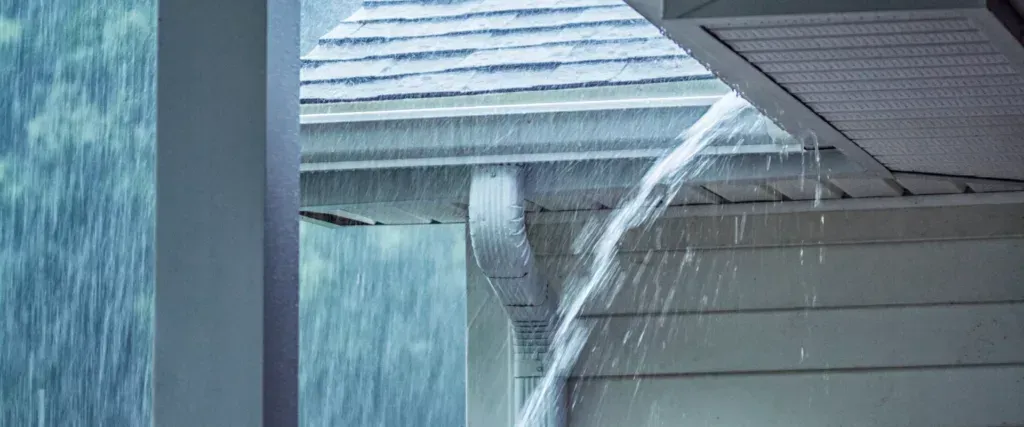
Extreme heat, cold, or precipitation can delay siding installation. Contractors must wait for dry, moderate weather to ensure proper material adhesion and performance.
Material Choice and Availability
- Vinyl Siding – One of the fastest to install due to its lightweight panels and pre-colored finish.
- Fiber Cement Siding – Requires more time for precise cutting and additional installation steps, like caulking and painting.
- Wood Siding – Needs sealing, staining, or painting, adding days to the overall project.
- Brick or Stone Veneer –
Takes the longest due to the labor-intensive process of laying each piece.
Hidden Structural Damage
Removing old siding may uncover unexpected issues, such as:
- Rotting Wood – Must be replaced before new siding is installed.
- Mold Growth – Requires remediation to prevent health risks.
- Pest Infestations –
Termite or carpenter ant damage must be addressed before siding installation can continue.
Permit and HOA Regulations
Some municipalities and homeowners’ associations require permits or approvals before siding work begins, potentially delaying the project.
3. Preparing for a Smooth Siding Installation
Choosing the Right Season
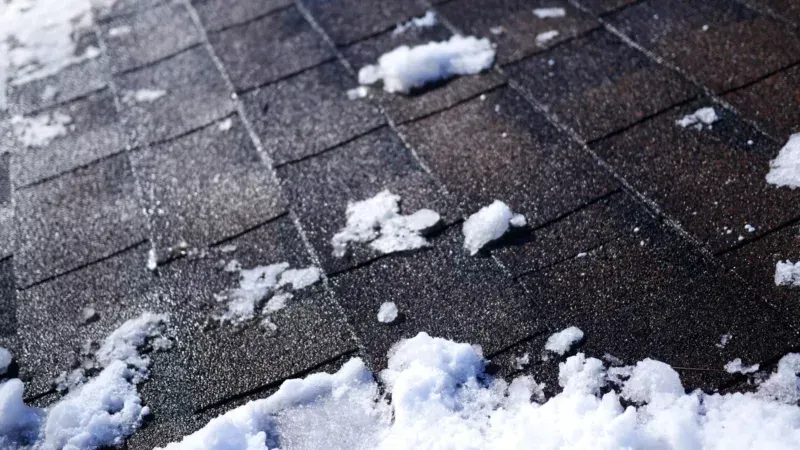
The best time for siding installation is late spring to early fall, when weather conditions are most favorable. Avoid winter installations in regions with freezing temperatures, as some materials may become brittle.
Clearing the Work Area
Homeowners should remove outdoor furniture, trim overgrown landscaping, and clear driveways to provide space for workers and materials.
Arranging Temporary Accommodations
While most siding projects do not require homeowners to leave, those sensitive to noise or construction dust may prefer staying elsewhere during installation.
4. Cost vs. Time Considerations
Faster installations often come at a higher cost due to increased labor demand. Homeowners balancing budget constraints with timeline expectations should discuss priorities with their contractor.
Why Choose 180 Contractors Roofing & Siding?
For homeowners seeking high-quality siding installation, 180 Contractors Roofing & Siding, located in Waterford, MI, provides expert craftsmanship and reliable service. With industry certifications including BBB A+ accreditation, Guildmaster (GuildQuality), INC 5000, Google Guaranteed, and Qualified Remodeler Top 100 Satisfaction, our team ensures durable and aesthetically pleasing results. We work with trusted brands like James Hardie, Alside, and Everlast, offering a range of premium siding options tailored to different needs and budgets.
Frequently Asked Questions (FAQs)
1. How long does it take to install vinyl siding?
Vinyl siding can typically be installed in 3-7 days, depending on the home’s size and design complexity.
2. Can siding be installed in the winter?
Yes, but some materials like fiber cement or wood may become more challenging to install in cold weather.
3. Does new siding installation include insulation?
Many homeowners opt for insulated siding or additional house wrap to improve energy efficiency during installation.
4. Will I need to leave my home during installation?
No, but siding installation is noisy, so some homeowners prefer staying elsewhere during the project.
5. What is the best siding for long-term durability?
Fiber cement siding offers the best balance of longevity, weather resistance, and low maintenance.
Conclusion
A well-planned siding installation typically takes 7-14 days, but factors such as home size, material choice, and weather conditions can affect the timeline. Selecting a trusted contractor ensures a smooth process and high-quality results. Investing in durable siding protects your home’s structure while enhancing its curb appeal for years to come.
Read also our blog:
How to Select the Best Siding for Your Home: A Comprehensive Guide