Selecting the right siding material is one of the most important decisions for homeowners looking to enhance curb appeal, improve durability, and increase energy efficiency. With multiple siding options available, it’s essential to compare their strengths and weaknesses to determine the best fit for your home’s style, climate, and budget.
1. Vinyl Siding: Affordable and Low Maintenance
Overview
Vinyl siding is one of the most popular choices for homeowners due to its affordability, ease of installation, and low maintenance requirements. Available in a variety of colors and textures, it can mimic wood and other premium materials at a fraction of the cost.
Advantages
- Cost-effective – One of the most budget-friendly siding options.
- Low maintenance – No painting required; occasional washing keeps it looking new.
- Pest-resistant – Unlike wood, vinyl does not attract termites or carpenter ants.
- Variety of styles –
Available in numerous colors and finishes.
Disadvantages
- Susceptible to fading – Prolonged sun exposure can cause discoloration.
- Less durable – Can crack or warp in extreme weather conditions.
- Melting risk – High temperatures, such as from a nearby grill, can deform vinyl panels.
Best for:
- Budget-conscious homeowners.
- Low-maintenance exterior solutions.
- Rental properties or starter homes.
2. Wood Siding: Natural Beauty with High Maintenance
Overview
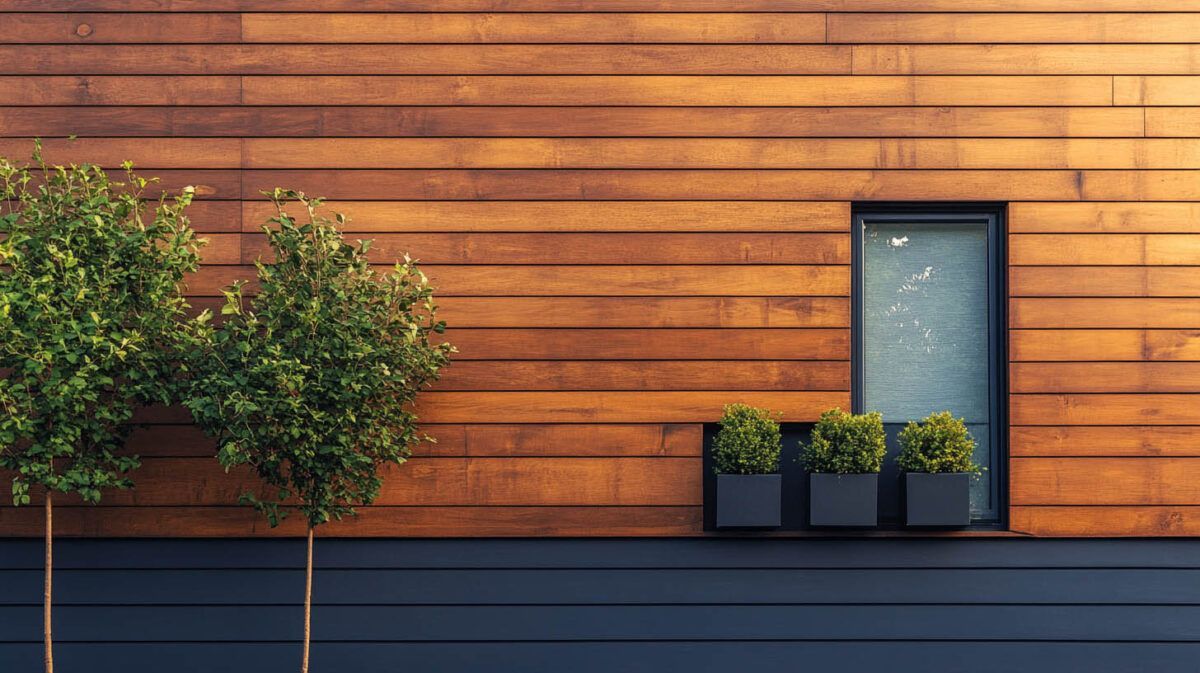
Wood siding offers a classic, timeless look that enhances traditional and rustic home designs. Available in different styles, including clapboard, shingles, and board-and-batten, wood provides a warm, inviting aesthetic.
Advantages
- Aesthetic appeal – Natural wood grain creates a premium look.
- Customizable –
Can be painted or stained in any color.
- Biodegradable – Environmentally friendly material with proper sourcing.
Disadvantages
- High maintenance – Requires regular painting or staining to prevent deterioration.
- Pest-prone – Susceptible to termites, woodpeckers, and rot.
- Flammable –
Requires fire-resistant treatment in some regions.
Best for:
- Homeowners seeking a classic or rustic aesthetic.
- Historic homes that require natural materials.
- Properties where frequent upkeep is manageable.
3. Brick Siding: Durable and Timeless
Overview
Brick siding is a highly durable material known for its traditional appearance and ability to withstand harsh weather conditions. While installation costs are high, brick siding can last over a century with minimal upkeep.
Advantages
- Extremely durable –
Can last over 100 years with little maintenance.
- Fire-resistant –
Provides excellent protection against fire.
- Energy-efficient – Acts as a natural insulator, reducing heating and cooling costs.
Disadvantages
- Expensive – High upfront material and labor costs.
- Limited customization – Difficult to change the color once installed.
- Moisture concerns – Requires proper drainage to prevent water retention.
Best for:
- Homeowners looking for long-term durability.
- Colonial, Tudor, or historic-style homes.
- Regions with extreme weather conditions.
4. Stucco Siding: Stylish but Moisture-Sensitive
Overview
Stucco is a cement-based siding material that offers a distinct textured look, commonly used in Mediterranean, Southwestern, and Spanish-style homes. It provides good insulation and resists fire and pests.
Advantages
- Low maintenance – Resistant to fire and pests, requiring little upkeep.
- Customizable finishes – Can be painted in various colors and applied with different textures.
- Energy-efficient – Provides good insulation, reducing energy bills.
Disadvantages
- Prone to moisture damage –
Can crack or develop mold in wet climates.
- Difficult to repair
– Requires professional fixes for cracks and damages.
- High installation cost –
Labor-intensive process increases upfront expenses.
Best for:
- Homes in dry, warm climates.
- Southwestern and Mediterranean-style houses.
- Homeowners seeking a low-maintenance exterior.
5. Stone Veneer Siding: Luxurious but Expensive
Overview
Stone veneer siding offers the high-end look of natural stone at a lower cost. Whether using genuine stone or manufactured stone veneer, this option adds elegance and durability to a home’s exterior.
Advantages
- Elegant appearance – Enhances home value with a premium look.
- Highly durable – Resists harsh weather, pests, and fire.
- Versatile design – Can be used as an accent or full siding material.
Disadvantages
- Expensive – High material and labor costs.
- Heavyweight – Requires strong structural support.
- Prone to moisture retention – Must be installed with proper drainage.
Best for:
- High-end homes seeking a luxury appearance.
- Accent features on mixed-material exteriors.
- Homeowners willing to invest in premium materials.
6. Fiber Cement Siding: Versatile and Weather-Resistant
Overview
Fiber cement siding, such as James Hardie siding, combines durability, aesthetic versatility, and low maintenance, making it one of the most popular choices for modern homes. Designed to withstand extreme climates, fiber cement offers the look of wood without the disadvantages.
Advantages
- Highly durable – Resists fire, pests, and extreme weather.
- Customizable appearance –
Mimics wood, stucco, or stone with long-lasting finishes.
- Low maintenance – Retains color for years without fading.
Disadvantages
- Higher initial cost – More expensive than vinyl but offers long-term savings.
- Professional installation required –
Labor-intensive process.
Best for:
- Homeowners seeking long-term value and durability.
- Any architectural style, as fiber cement adapts well to various designs.
- Climates with extreme weather conditions.
Choosing the Right Siding for Your Home
When selecting the best siding, consider the following factors:
- Budget –
Affordable options like vinyl and stucco versus premium choices like brick and stone.
- Climate – Moisture-prone areas should avoid wood and stucco, while fiber cement performs well in all conditions.
- Maintenance –
Low-maintenance homeowners should opt for fiber cement or vinyl.
- Durability – Long-term investments benefit from brick, stone, or fiber cement.
Why Choose 180 Contractors Roofing & Siding?
For top-quality siding installation, 180 Contractors Roofing & Siding, located in Troy, MI, provides expert craftsmanship and superior materials. We hold prestigious certifications including BBB A+ accreditation, Guildmaster (GuildQuality), INC 5000, Google Guaranteed, and Qualified Remodeler Top 100 Satisfaction. Partnering with industry leaders like James Hardie, Alside, and Everlast, we deliver long-lasting, beautiful exteriors tailored to homeowners’ needs.
Frequently Asked Questions (FAQs)
1. What is the most durable siding material?
Brick and fiber cement siding offer the longest lifespan, often exceeding 50 years.
2. What siding requires the least maintenance?
Fiber cement and vinyl siding require minimal upkeep compared to wood or stucco.
3. What is the best siding for extreme weather?
Fiber cement performs exceptionally well in all climates, including areas with harsh weather.
4. How long does siding installation take?
Most siding projects take 7-14 days, depending on home size and material selection.
5. Can I mix different siding materials?
Yes, combining materials like stone veneer with fiber cement creates a unique, visually appealing design.
Conclusion
Choosing the right siding depends on factors like budget, climate, durability, and aesthetics. Whether opting for cost-effective vinyl, elegant stone veneer, or durable fiber cement, investing in high-quality siding enhances your home’s appearance and protection. Partnering with experienced professionals ensures a flawless installation and long-term satisfaction.
Read also our blog:
How Long Does It Take to Install New Siding? A Complete Timeline Guide