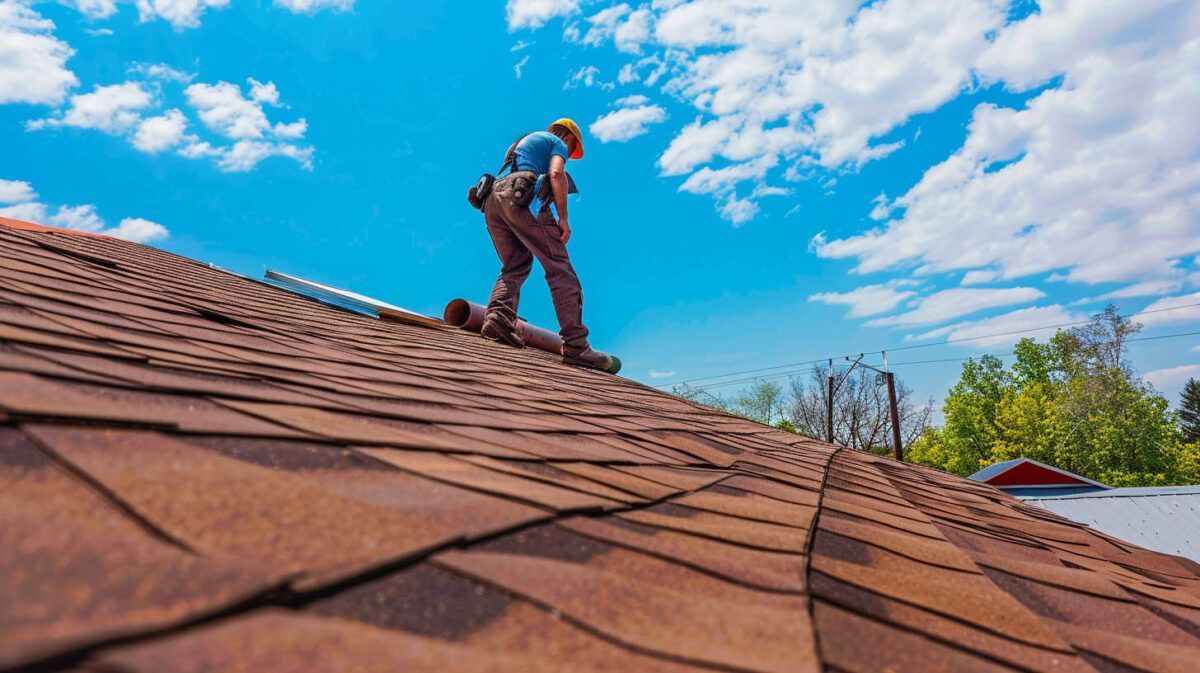
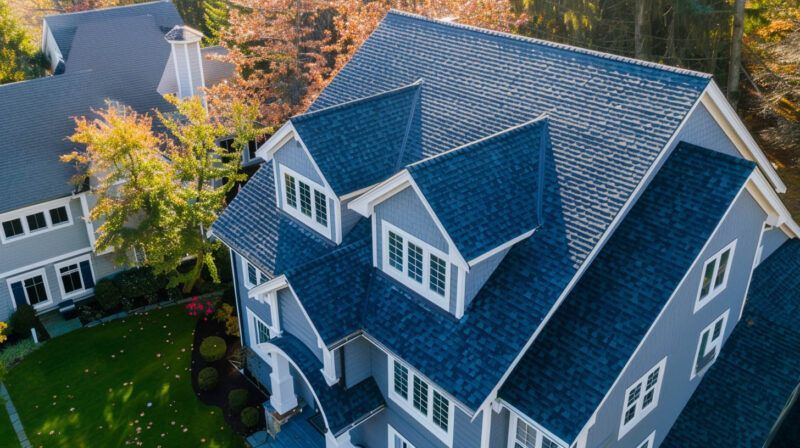
A roof is more than just a layer of shingles—it’s your home’s first line of defense against weather, wear, and time. Yet, many homeowners in Waterford, MI are unsure how often a roof needs to be replaced. While the answer varies based on materials and environmental conditions, there are clear signs and timelines you can follow to stay ahead of roofing issues before they escalate into costly repairs.
Whether you’re dealing with aging shingles or planning a renovation, understanding your roof’s life expectancy is key to maintaining home value and safety. At
180 Contractors Roofing & Siding, we’ve guided countless Waterford residents through the roof replacement process with expertise and clarity.
Lifespan of Different Roofing Materials
Different roofing materials come with their own expected lifespans. Asphalt shingles—the most commonly used roofing material—typically last between 15 to 30 years, depending on the product quality and installation method. Architectural shingles, a more durable variety, can stretch that estimate closer to 40 years.
Meanwhile, metal roofs often last 40–80 years, and tile or slate roofs can even exceed 100 years with proper care. But longevity also depends on regional weather. In Michigan, the freeze-thaw cycle, wind, and hail can accelerate wear on even the most durable roofing systems.
Warning Signs You May Need a Roof Replacement
It’s not always easy to determine when your roof has reached the end of its useful life. That said, here are key warning signs to watch for:
- Missing or curling shingles:
Shingles that are no longer flush with the roof surface can expose your home to water intrusion.
- Leaks and water stains: Water marks on ceilings or inside attic spaces are signs of failed waterproofing.
- Sagging rooflines:
A sagging roof could indicate structural damage or extensive water saturation.
- Moss and algae growth:
While sometimes superficial, heavy growth can signal trapped moisture, which compromises shingle life.
If your roof is over 20 years old and showing any of these symptoms, it’s time to start planning for replacement rather than repairs.
How Climate Affects Roof Longevity
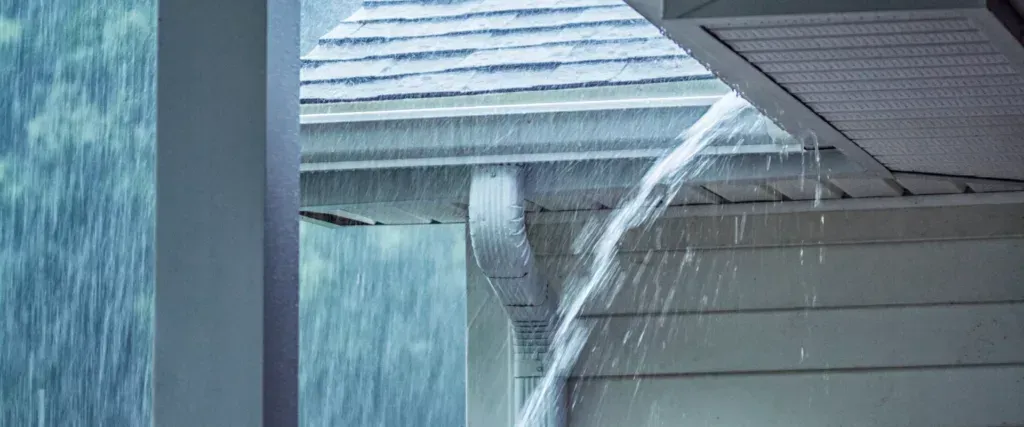
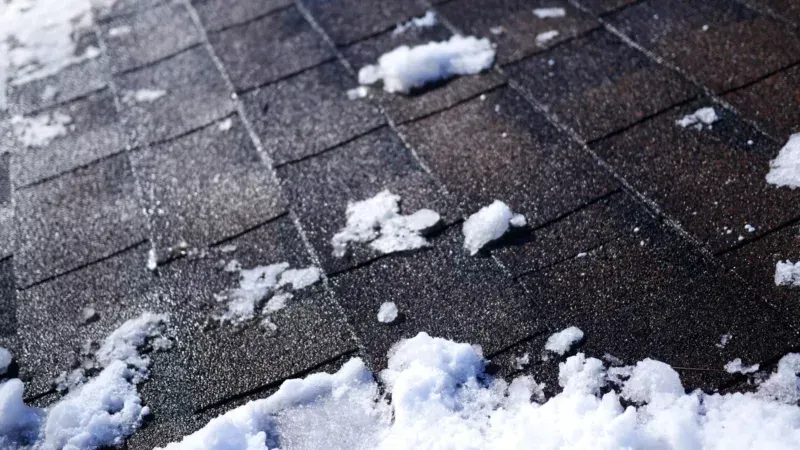
Waterford, MI experiences significant seasonal shifts—hot summers, freezing winters, and fluctuating moisture levels. These extremes can expand and contract roofing materials repeatedly, leading to cracks and separation at joints. Ice dams in winter and UV degradation in summer both accelerate material aging.
Routine maintenance like gutter cleaning and attic ventilation can help mitigate weather impacts, but every roof will eventually need to be replaced, no matter how well it’s maintained.
Roof Replacement vs. Repairs
Homeowners often wonder whether repairs are enough or if full replacement is necessary. If your roof has minor damage and is under 15 years old, a professional repair might extend its life. However, if damage is widespread or your roof is nearing the end of its lifespan, investing in a replacement is typically the more cost-effective long-term solution.
When to Schedule an Inspection
To avoid unexpected leaks or structural issues, have your roof professionally inspected every 1–2 years, or after major storms. An inspection will reveal small problems before they evolve into serious ones—and help you budget for a new roof in advance rather than rushing to replace it during an emergency.
Trusted Roofing Services in Waterford, MI
Working with a certified, experienced contractor ensures your new roof is installed properly, meets warranty conditions, and holds up against local weather. We recommend choosing contractors recognized by industry-leading brands. In fact, 180 Contractors Roofing & Siding is proudly affiliated with BBB A+ accredited, Guildmaster (GuildQuality), Owens Corning Preferred, and other reputable institutions that reflect a commitment to quality.
Final Thoughts
So, how often should a roof be replaced? The short answer: it depends on the material, maintenance routine, and local climate. But for most asphalt roofs in Michigan, plan on a 20–30 year timeline—and be proactive about inspections. Replacing your roof before problems arise saves you from dealing with water damage, mold growth, and costly emergency repairs.
Read also our blog:
Asphalt vs. Metal Roofs: Which is Better for Your Climate?