Introduction
Siding plays a crucial role in protecting a home from the elements while enhancing curb appeal and energy efficiency. Over time, exposure to weather, pests, and general wear can compromise its integrity, making replacement necessary. Recognizing the signs of failing siding ensures timely upgrades that prevent structural damage and maintain property value.
How Long Does Siding Last?
1. Lifespan by Siding Material
Different siding materials offer varying levels of durability.
- Vinyl siding – 20 to 30 years, but may fade and become brittle over time.
- Wood siding – 15 to 40 years, but requires regular maintenance to prevent rot and insect damage.
- Aluminum siding – 30 to 50 years, but prone to denting and fading.
- Fiber cement siding (James Hardie) – 50+ years, offering the best longevity with minimal maintenance.
2. Climate and Maintenance Impact Longevity
Regions with harsh winters, extreme heat, or high humidity can shorten siding lifespan. Regular cleaning and inspections help prolong its durability.
Signs Your Siding Needs Replacement
1. Missing or Loose Siding Panels
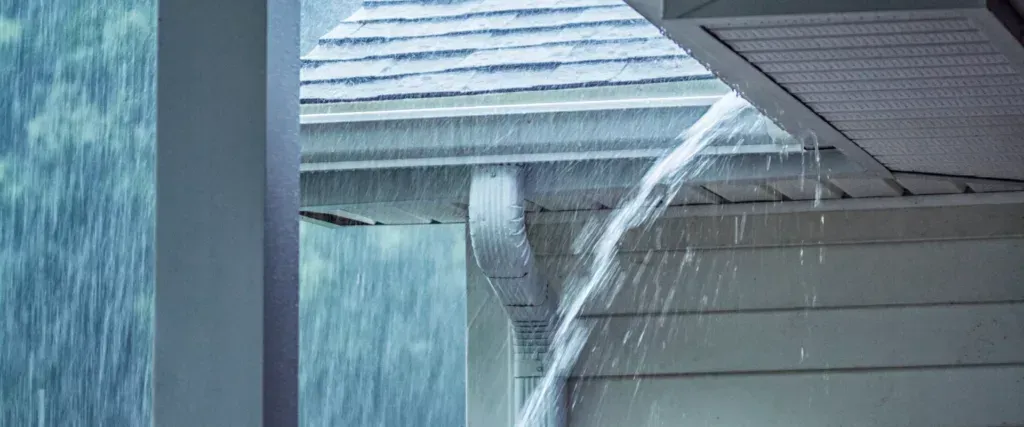
Gaps in siding expose the home to moisture and pests, leading to further damage. Wind and storms can loosen panels, increasing the risk of interior leaks.
2. Cracks, Warping, and Splitting
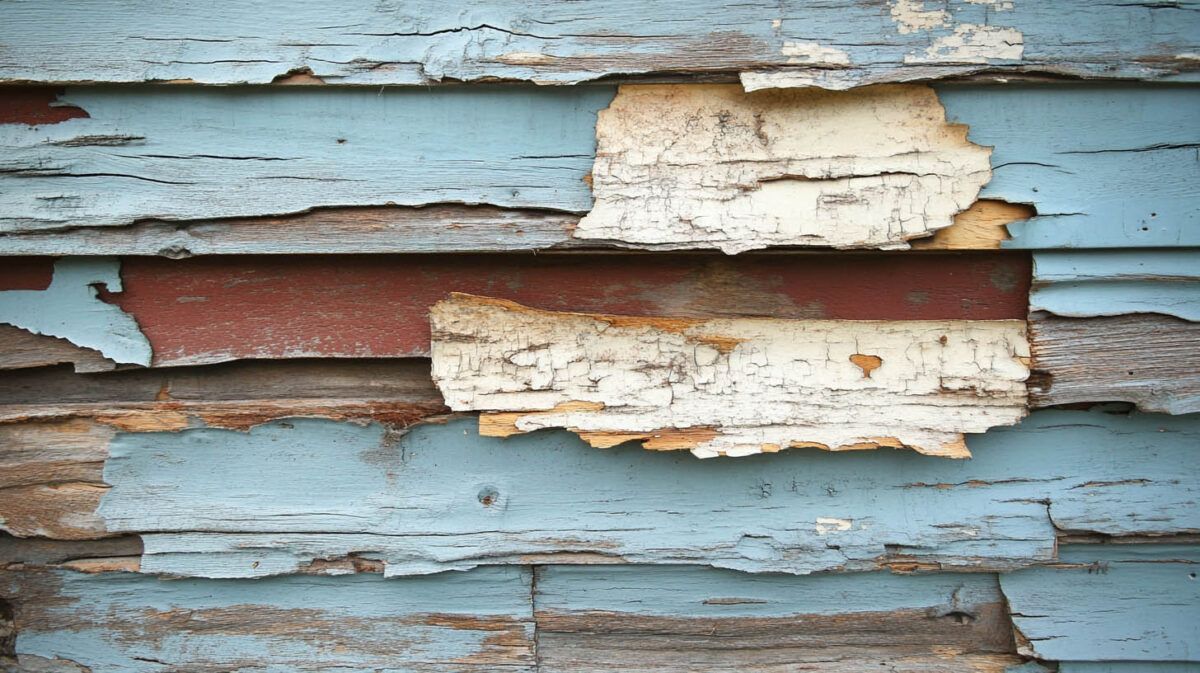
Warped or cracked siding panels indicate weather-related wear. These imperfections allow water infiltration, which can cause mold growth and structural issues.
3. Frequent Maintenance and Repairs
If siding requires constant repainting, resealing, or minor repairs, replacement may be more cost-effective. New siding materials, such as fiber cement, offer lower maintenance needs.
4. Pest and Insect Damage
Wood siding is especially vulnerable to termites, carpenter ants, and woodpeckers. Infestations weaken the material, compromising the home’s insulation and structure.
5. Fading or Discoloration
Faded siding not only diminishes curb appeal but also signals that the material is weakening due to prolonged sun exposure.
6. Bubbling or Blistering
Trapped moisture beneath the surface causes bubbles and blisters, a sign that siding is no longer effectively repelling water. This issue often leads to mold growth and structural damage.
7. Mold, Mildew, or Rot
Visible mold or mildew suggests excessive moisture retention. Wood siding is particularly susceptible to rot, which can spread to framing and interior walls.
8. Increased Energy Bills
Deteriorating siding reduces insulation efficiency, forcing HVAC systems to work harder to maintain indoor temperatures. Well-insulated siding helps lower energy costs.
Choosing the Right Siding for Replacement
1. Fiber Cement Siding (James Hardie)
- Highly durable and resistant to fire, moisture, and pests.
- Requires minimal maintenance with ColorPlus® technology for fade-resistant finishes.
- Available in various textures and styles to match different architectural designs.
2. Vinyl Siding
- Budget-friendly and easy to install.
- Prone to fading, cracking, and damage from extreme weather conditions.
3. Wood Siding
- Provides a classic aesthetic but requires frequent staining and sealing.
- Vulnerable to rot, insect infestations, and moisture damage.
4. Metal Siding (Aluminum or Steel)
- Durable and fire-resistant but susceptible to dents and scratches.
- Can be noisy during heavy rain or hailstorms.
Steps to Replace House Siding
1. Inspection and Planning
Conduct a thorough assessment of existing siding, looking for visible damage or insulation issues. Consult a professional to determine the best replacement options.
2. Choosing the Right Material
Consider climate, budget, maintenance requirements, and aesthetic preferences when selecting new siding.
3. Removing Old Siding
Carefully remove damaged panels while inspecting the underlying structure for hidden mold or rot.
4. Installing Weather Barriers and Insulation
A moisture-resistant barrier helps prevent water damage. Adding insulation improves energy efficiency.
5. Siding Installation
Install new siding according to manufacturer guidelines, ensuring a secure and weatherproof fit.
6. Finishing Touches and Cleanup
Seal edges, install trim, and conduct a final inspection to ensure durability and proper insulation.