How Roof Pitch Affects Metal Roof Selection and Performance
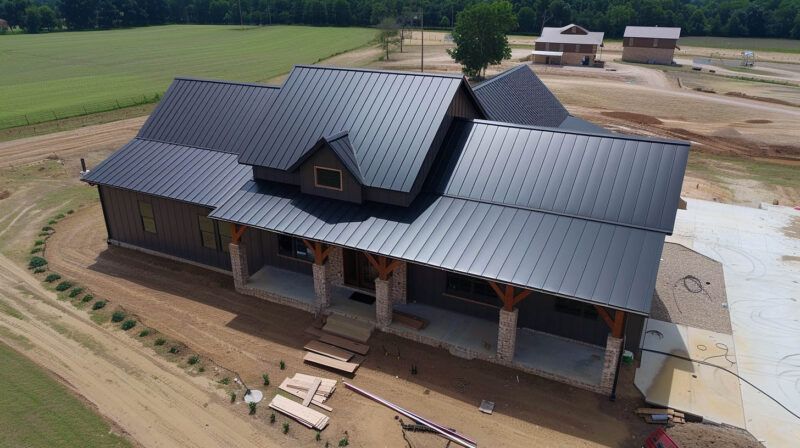
Choosing the right metal roof involves more than just design; it begins with understanding your roof pitch. The slope directly affects material selection and roofing performance, especially in Troy, MI’s unique weather. At 180 Contractors Roofing & Siding, we combine quality materials and expertise, backed by certifications like Owens Corning Preferred, CertainTeed Shingle Master, BBB A+, Guildmaster, INC 5000, Google Guaranteed, and Qualified Remodeler top 100 satisfaction, to help you make informed roofing decisions.
The Role of Roof Pitch in Metal Roofing
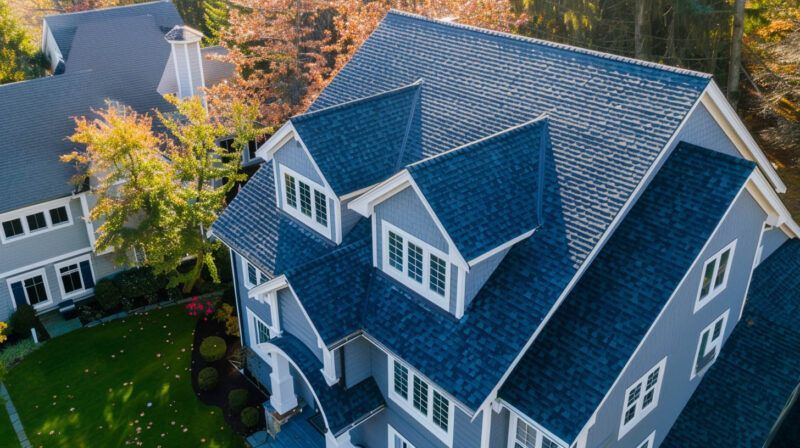
The roof pitch of your home serves as the foundation for a successful installation. It determines how well your roofing system drains water, sheds snow, and withstands weather conditions. A properly aligned slope works in harmony with the chosen roofing materials to ensure durability and overall performance.
Ignoring pitch considerations can lead to costly problems, such as water pooling or structural damage. Understanding how this slope impacts roofing functionality enables better decisions, benefitting both performance and visual appeal. Let’s explore what makes this so important.
Defining Roof Pitch and Its Importance
Roof pitch refers to the angle of a roofing system, measured as rise over a 12-inch horizontal run (e.g., 6/12). This measurement significantly impacts your roofing system’s durability.
A proper slope ensures effective water drainage, preventing issues like standing water or leaks. In snowy areas, an adequate pitch helps shed snow, reducing structural stress.
Additionally, roof pitch affects your home’s aesthetics and compatibility with various materials. Steeper slopes often complement bold architectural styles, while lower slopes align with modern designs. Understanding your roof’s pitch is essential for selecting materials that balance appearance and functionality.
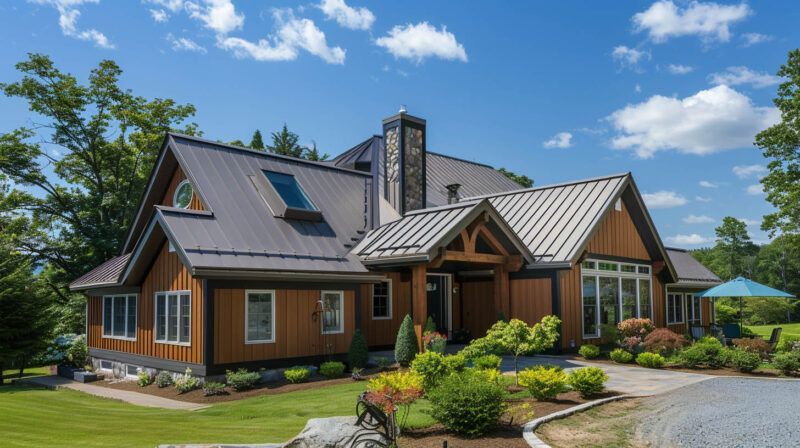
How Roof Pitch Influences Water Drainage and Snow Shedding
Proper roof pitch is crucial for effective water drainage and snow management:
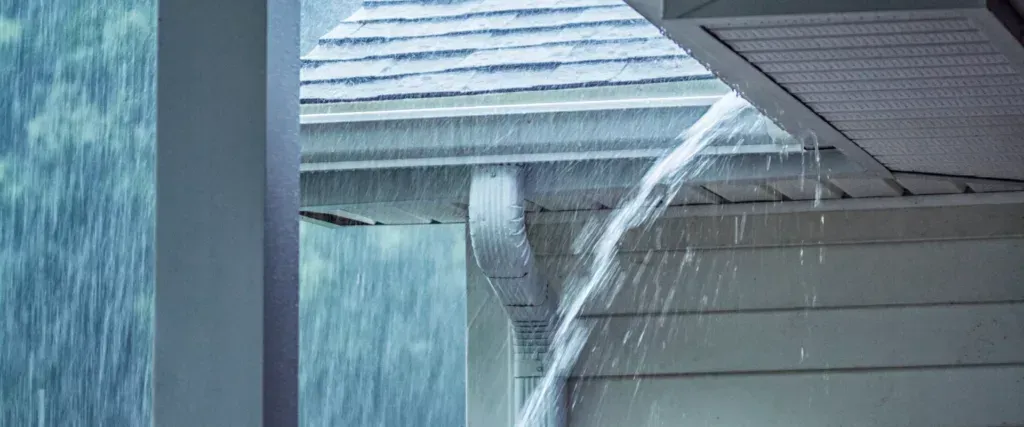
- Efficient drainage: A correct slope channels rainwater off the roof, preventing pooling, leaks, and structural damage.
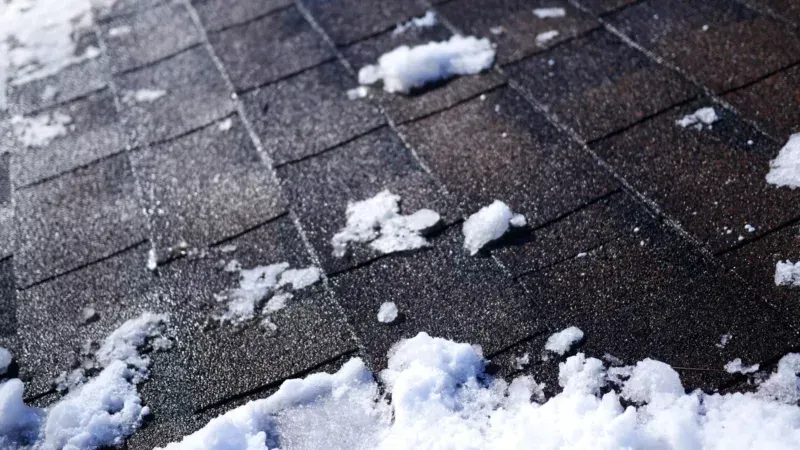
- Snow management: In heavy snowfall areas like Michigan, the right pitch allows snow to slide off, reducing excess weight.
- Pooling prevention: Flat or low-pitched systems are prone to pooling, leading to corrosion and leaks in metal roofs.
A slope that’s too steep can stress materials, while one that’s too low may not drain effectively. The right pitch balances durability and performance, minimizing weather-related risks.
Selecting a Metal Roof for Your Home
Choosing the right metal roof involves more than picking the aesthetic appeal. It’s about aligning your roof slope with material compatibility, structural integrity, and Michigan’s unique weather conditions.
The roof’s pitch impacts functionality, from efficient drainage to supporting heavy snow loads. It even dictates which metal panels suit your specific slope. Combining this knowledge with your personal needs ensures a roof that performs well long-term. Let’s detail how metal panels and Michigan’s climate play a role in this process.
Matching Metal Panel Types
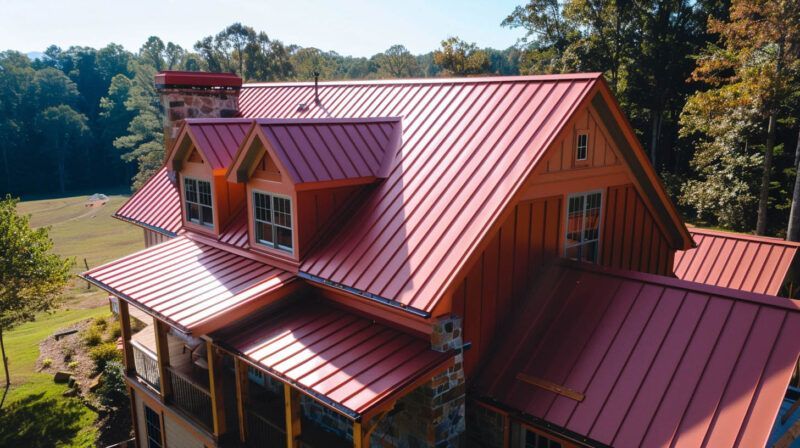
Choosing the right metal panel type requires understanding the roof’s pitch. For steep slopes, standing seam metal roofs excel in water drainage and minimize pooling, reducing structural damage during heavy rain and snow—ideal for severe weather areas.
In contrast, low-pitched roofs benefit from exposed fastener systems tailored to specific needs and local codes. It’s essential to evaluate minimum pitch requirements for durability and performance. The roof angle also influences material suitability, balancing aesthetics and functionality. Understanding these factors enhances the roofing system’s success.
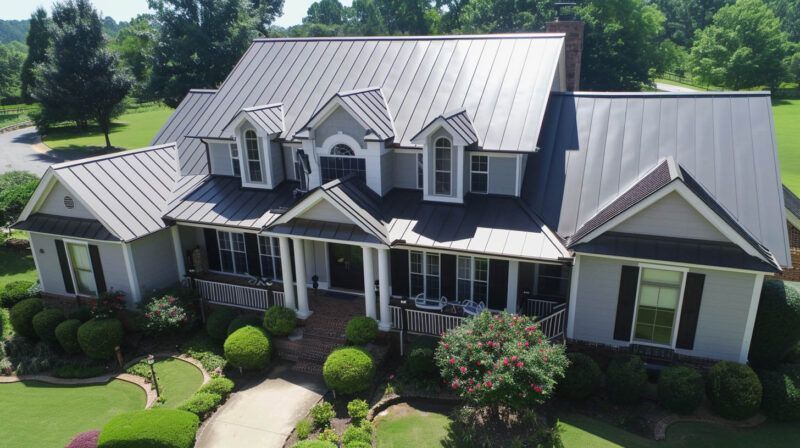
Compatibility with Michigan’s Climate and Weather Challenges
Michigan homeowners face unique weather conditions, including snowstorms and heavy rainfall. Your roof pitch must accommodate these challenges.
- Heavy snowfall: Choose a steeper pitch to prevent ice dams and snow accumulation, which could lead to structural damage.
- High winds: A well-aligned slope reduces wind resistance, lessening the risk of uplift during storms.
- Cold weather efficiency: Roof slopes combined with quality insulation keep energy costs manageable in colder climates.
Selecting a metal roofing system that considers these factors ensures your home stays resilient against Troy’s unpredictable weather. With 180 Contractors, you’re safeguarding your home with industry expertise and premium materials designed for Michigan’s demands.
Minimum Roof Pitch Requirements
Minimum pitch requirements are set standards that ensure your roofing system functions properly. These requirements vary based on material type, building codes, and climate factors.
For instance, a minimum pitch of 3:12 for standing seam metal roofs ensures effective water runoff. Following these standards is not optional—it’s necessary for long-lasting performance. Such guidelines also fulfill manufacturer warranties and local building regulations. To better understand these guidelines, let’s explore their significance and considerations below.
Manufacturer Guidelines and Building Codes
Manufacturer guidelines and building codes establish crucial standards for secure, high-performing roof installations. Each roofing system has a minimum pitch to ensure proper drainage and water-tightness; neglecting these can void warranties and lead to penalties.
Michigan’s local building codes are tailored to the climate, ensuring roofs endure weather conditions. For example, metal roofs require steeper slopes in heavy snowfall areas for effective weight shedding.
At 180 Contractors, we adhere to manufacturer guidelines during installation to guarantee reliable performance. This commitment to integrity ensures your roof meets legal requirements while lasting as intended.
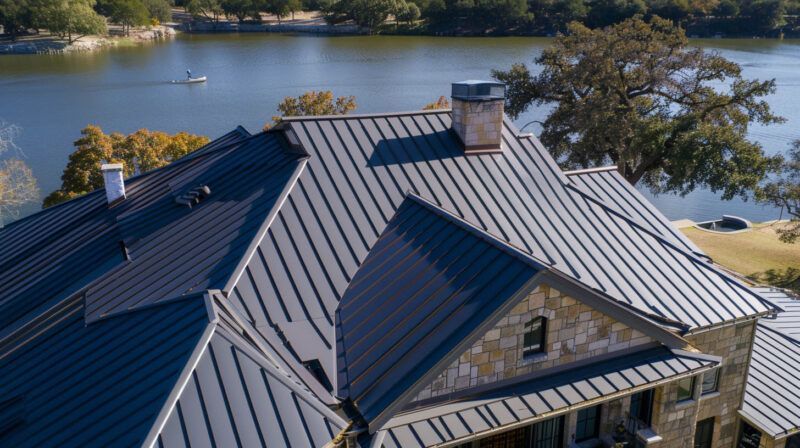
Risks and Issues with Installing Metal Roofs on Low Slopes
Installing metal roofing systems on low slopes poses specific risks you can’t ignore.
- Water pooling: A pitch lower than the minimum requirement often leads to standing water, which accelerates corrosion or leaking.
- Structural damage: Over time, the lack of proper drainage weakens your roofing system.
- Additional costs: Low slopes require extra waterproofing measures like underlayment, raising installation expenses.
A low-pitch design demands experienced contractors familiar with these challenges. At 180 Contractors, we install with precision to avoid such pitfalls, ensuring optimal performance and durability.
Impact of Roof Pitch on Metal Roof Performance
The pitch of your roof plays a critical role in how well your metal system performs. Correctly matched, it prevents leaks, manages snow loads, and enhances water drainage. But roof pitch also impacts energy efficiency and ventilation benefits, providing year-round comfort.
A steep or low pitch determines material compatibility and affects longevity. Let’s look closer at how pitch safeguards leak prevention, boosts lifespan, and contributes to lasting energy savings for homeowners.
Leak Prevention and Longevity
The pitch of a roof is a natural guard against leaks. By facilitating efficient water runoff, it protects against pooling, which can penetrate seams or joints in metal roofing systems.
Moreover, the correct slope aids in longevity. By preventing stress from snow or water accumulation, your roofing material lasts longer. Pairing the right material with the ideal slope ensures resilience against weather conditions, reducing the frequency of roof replacement.
With 180 Contractors, you can trust our expertise to design roofing systems that emphasize both leak prevention and durability, ensuring worry-free years ahead.
Energy Efficiency and Ventilation Benefits
Roof pitch does more than enhance durability—it contributes to energy efficiency and ventilation.
- Energy savings: A well-designed roof pitch improves natural insulation, particularly with reflective metal materials.
- Ventilation benefits: Proper angles enhance airflow, reducing heat buildup during summer months.
- Cost reduction: By boosting insulation and facilitating cooling, high-performing pitches minimize energy expenses.
With Michigan’s colder months in mind, your roof’s slope works year-round to provide comfort while reducing costs. A pitched roof designed by 180 Contractors ensures efficiency meets performance seamlessly.
Get in Touch
In conclusion, understanding roof pitch is crucial for homeowners selecting a metal roof. The right pitch affects water drainage, snow shedding, longevity, energy efficiency, and overall performance. By considering Michigan’s climate and following manufacturer guidelines, you can ensure your roof provides lasting protection. At 180 Contractors Roofing & Siding, we’re here to help you make informed decisions. Contact us for a free consultation with our experts!
Read our blog: Integrating Skylights Into Metal Roofing: Key Considerations
Frequently Asked Questions
What is the best pitch for a metal roof in Michigan?
The best pitch for a metal roofing system in Michigan is generally a minimum of 3:12, as it ensures efficient water drainage and snow shedding. This meets local building codes and weather demands. Always consult professionals for tailored advice.
Can I install a metal roof on a low-slope or flat roofing system?
Yes, but low-slope or flat roofs require special considerations like additional underlayment and specific panel types, such as standing seam with a minimum pitch of 1:12. Working with experienced contractors ensures proper installation and performance.
How does snow affect metal roofs with different pitches?
Steeper pitches shed snow efficiently, preventing excessive snow loads that stress the structure. Lower-pitched roofs are more prone to snow accumulation, requiring additional reinforcements. In Michigan, a well-suited pitch is vital for handling heavy snowfall.
GET A FREE QUOTE
We will get back to you as soon as possible.
Please try again later.
Recent Posts