Recycling and End‑of‑Life Options for Metal Roofs
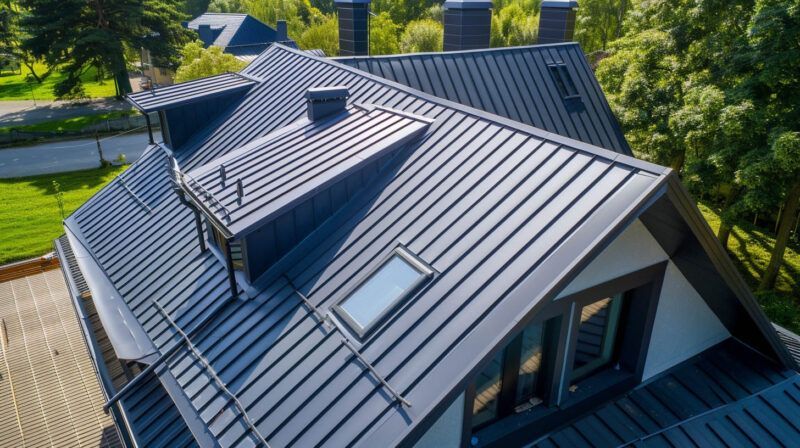
When it comes to roofing materials, few options are as eco-friendly and durable as metal roofing. At 180 Contractors Roofing & Siding, located in Bloomfield Hills, MI, we understand that as sustainability becomes a priority for homeowners, the focus on reducing waste and maximizing the lifespan of resources is more critical than ever. Metal roofing systems stand out not only for their impressive durability but also for their potential to be entirely recycled at the end of their lifecycle. Let’s explore how choosing and recycling metal roofs with 180 Contractors Roofing & Siding can positively impact the environment and create a future built on sustainable practices.
Lifecycle of Metal Roofs
The lifecycle of metal roofs encompasses several stages, from initial manufacturing to eventual disposal or recycling. Each phase contributes to the overall sustainability of roofing materials. Notably, the durability of metal roofing leads to a long-term investment with minimal maintenance, resulting in lower energy use and better environmental performance. As homeowners prioritize energy efficiency and reduced carbon footprints, understanding how these materials interact within a circular economy becomes essential, ensuring that they contribute positively to both property value and the planet’s health.
Common Types of Metal Used in Roofing
Various metals provide excellent options for roofing, each boasting unique benefits. Steel is notably popular due to its robust durability and cost-effectiveness, making it a staple in many homes. Aluminum is lightweight and resistant to corrosion, ideal for coastal climates. Copper, with its aesthetic appeal, is favored for its longevity and distinctive color changes over time. Lastly, zinc offers natural self-healing properties, making it a sustainable choice. These materials contribute to energy efficiency and reduced maintenance, ensuring a long-lasting investment for homeowners looking for the best roof.
Typical Lifespan and Durability Factors
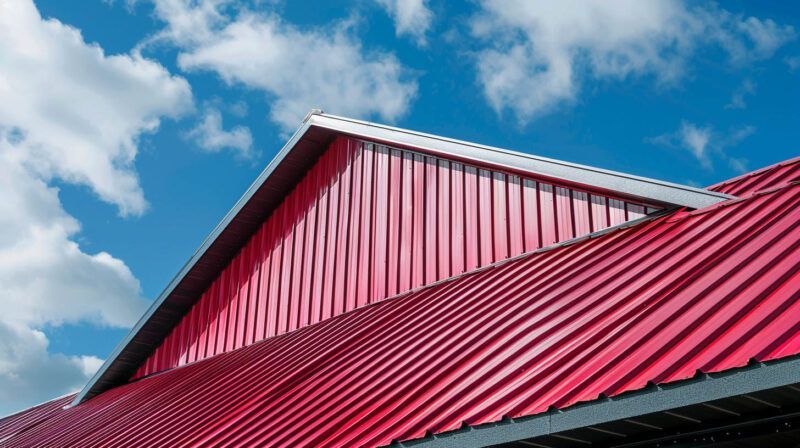
Metal roofs typically boast an impressive lifespan, often exceeding 50 years with appropriate maintenance. Key durability factors include material type, such as aluminum or steel, which significantly influence resistance to weather elements and corrosion. Quality coatings also play a vital role, enhancing the roof’s ability to withstand moisture while contributing to energy efficiency through reflective properties. Choosing high-grade materials not only ensures structural integrity but also maximizes longevity, effectively maintaining property value in the long term.
Environmental Benefits of Metal Roof Recycling
Recycling roofs significantly reduces landfill waste and diverts valuable materials from traditional disposal methods. By reprocessing various materials like steel and aluminum, a circular economy is established that enhances sustainability and energy efficiency. This process not only lowers the carbon footprint compared to asphalt shingles but also supports a greener future by conserving resources. Furthermore, recycled metal roofing materials can be utilized in new products, thereby extending their lifecycle and reducing environmental impact, making them a more responsible choice for homeowners.
Reducing Landfill Waste in the United States
The recycling and repurposing of metal roofs significantly contribute to reducing landfill waste in the United States. By diverting these materials from landfills, the process not only conserves natural resources but also supports a circular economy. Metal roofs, such as aluminium and steel, are highly durable and can be reclaimed repeatedly. This sustainable practice minimizes the environmental impact associated with traditional disposal methods, ultimately promoting a greener future and enhancing community efforts toward waste reduction.
Lowering Carbon Footprint
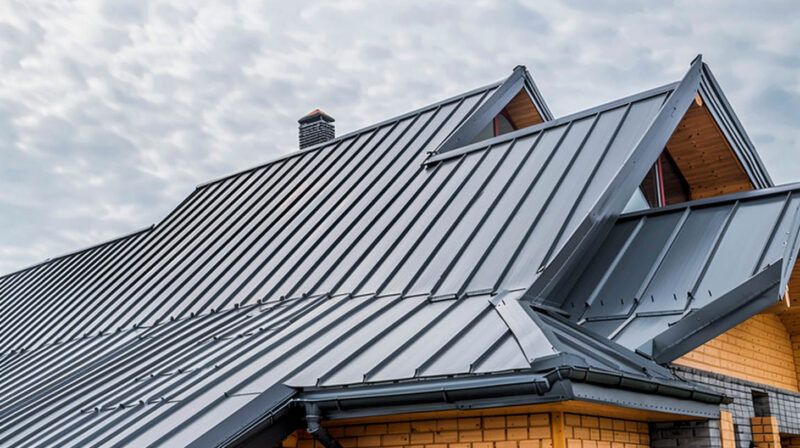
Metal roofs offer a notable advantage over traditional asphalt shingles in terms of reducing carbon footprint. Their longevity and durability mean less materials need to be replaced frequently, leading to a decrease in the overall energy use associated with production and disposal. Moreover, those materials can be recycled at the end of their lifecycle, further curbing landfill waste. By contributing to a circular economy, these roofs not only enhance energy efficiency but also promote sustainable practices, ultimately fostering a greener future for homeowners and communities alike.
How Metal Roofs Are Recycled
Recycling metal roofs involves a systematic approach that ensures maximum recovery of materials. Initially, collection occurs where end-of-life roofing is gathered. Following this, sorting separates various metal components, such as aluminum and steel roofing panels. Preparation processes prepare these materials for melting down, maintaining their quality for reuse. Once processed, recycled metal can be transformed into new roofing products or other durable materials, contributing to a circular economy. This not only conserves resources but also minimizes the environmental impact of traditional disposal methods.
Collection, Sorting, and Preparation Processes
Gathering metal roofing materials begins at the construction site or during roof renovations. Once collected, these materials are sorted based on various metal types, such as steel or aluminum. Effective separation ensures that each material can be processed efficiently, maximizing recycling potential. The preparation process involves cleaning and removing any non-metal components, like coatings or debris. This careful handling enhances the structural integrity of the recycled metal, making it suitable for future use in sustainable roofing solutions.
What Happens to Recycled Metal Roofing Materials?
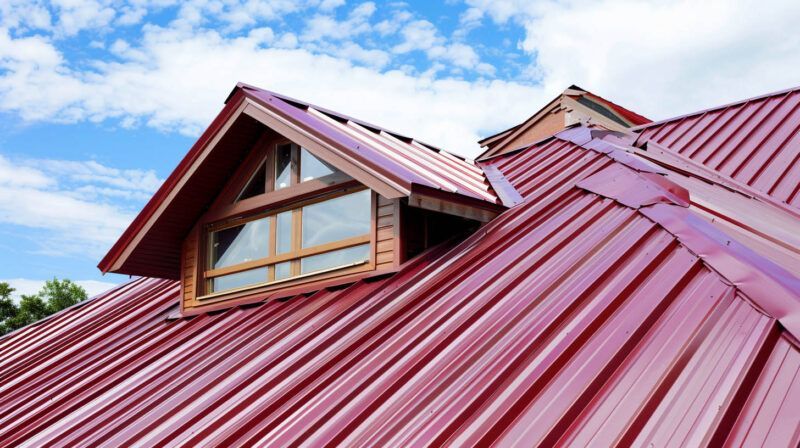
Recycled materials are melted down and repurposed into new products, such as sheets, rods, or other construction materials. This process reduces the demand for virgin resources and minimizes environmental impact, supporting a circular economy in the roofing industry.
End‑of‑Life Options for Metal Roofs
Various paths exist for metal roofs at the end of their lifecycle, each contributing to sustainability. Full roof recycling involves processing entire structures to reclaim valuable materials, promoting the circular economy. Alternatively, partial material reuse allows for the salvaging of intact panels and components for new roofing projects. Upcycling initiatives can also turn used metal into decorative items or functional furniture, showcasing creativity and reducing landfill waste. These options not only enhance eco-friendliness but also support the longevity of metal roofing materials.
Full Roof Recycling vs. Partial Material Reuse
Full roof recycling offers a comprehensive solution, ensuring that every component of a metal roofing system is processed and repurposed. This approach significantly reduces landfill waste and supports a circular economy. On the other hand, partial material reuse allows homeowners to retain certain elements, like panels or flashings, for future projects. Both methods provide sustainable features, but choosing full recycling maximizes resource recovery while minimizing environmental impact, ultimately fostering a greener future for all roofing options.
Upcycling and Creative Repurposing Ideas
Upcycling offers an innovative way to extend the lifespan of metal roofing materials while minimizing waste. Transforming metal panels into unique home décor, garden art, or functional furniture can add a personal touch to any space. Creative ventures such as crafting custom planters or decorative fencing not only enhance aesthetic appeal but also contribute to a circular economy by reusing durable materials. Exploring these repurposing opportunities helps local communities embrace sustainability while keeping roof materials out of landfills.
The Role of Roofing Contractors in Responsible Metal Roof Disposal
Expert roofing contractors play a crucial role in ensuring responsible disposal of metal roofs by implementing sustainable practices. They adhere to certifications and standards that promote eco-friendly solutions, focusing on recycling and minimizing landfill waste. By guiding homeowners through the disposal process, these professionals help maximize the lifecycle of roofing materials. Their knowledge of local regulations and recycling facilities empowers property owners to make informed, environmentally conscious decisions, supporting the circular economy and contributing to a greener future for our communities.
Certifications and Standards for Sustainable Practices
A variety of certifications and standards play a crucial role in promoting sustainable practices within the roofing industry. Our company proudly holds several prestigious certifications, including Owens Corning Preferred and CertainTeed Shingle Master, which reflect our commitment to quality and excellence. We are also recognized as BBB A+ accredited and a Guildmaster by GuildQuality, showcasing our dedication to customer satisfaction. Additionally, being listed in the INC 5000 demonstrates our growth and reputation within the industry, while Google Guaranteed reinforces our reliability and trustworthiness. These accolades not only enhance our credibility but also support a circular economy, all while contributing to a greener future for our planet.
How We Ensure Eco-Friendly Solutions
Committed to sustainability, 180 Contractors Roofing & Siding employs environmentally friendly practices throughout their projects. By utilizing metal roofing materials that prioritize recyclability, they minimize landfill waste and promote a circular economy. Their team carefully selects materials with a low carbon footprint, ensuring energy efficiency and durability. Additionally, they offer options for upcycling and repurposing existing structures, further enhancing their eco-friendly approach while maintaining aesthetic appeal and property value for homeowners. This commitment fosters a greener future for all.
Choosing Sustainable Metal Roofing Products
Opting for sustainable metal roofing products can enhance both energy efficiency and property value. Selecting brands like CertainTeed and Owens Corning ensures you’re using materials designed with durability and recyclability in mind. These roofing systems are often equipped with reflective coatings, improving energy savings during hot months while combating the urban heat island effect. Homeowners should also consider roofing options that align with sustainable practices, helping to mitigate the environmental impact and reduce the overall carbon footprint of their properties, thereby lowering the need for air conditioning.
Selecting Recyclable Brands
Several brands stand out in the realm of sustainable roofing materials, with CertainTeed and Owens Corning leading the way. Both manufacturers prioritize recyclable components, reducing environmental impact while enhancing energy efficiency. CertainTeed’s metal roofing panels offer durability and aesthetic appeal, ensuring long-term performance. Meanwhile, Owens Corning focuses on innovative materials that support a circular economy. Choosing these brands not only benefits homeowners with low maintenance costs but also aligns with eco-friendly practices, appealing to potential buyers concerned about sustainability.
Tips for Homeowners on Maximizing Roof Longevity
Maintaining roofs can significantly extend their lifespan. Regular inspections to check for rust, loose fasteners, or damage can prevent minor issues from escalating. Implementing preventative measures, such as installing proper ventilation and reflective coatings, aids in energy efficiency and reduces heat absorption. Choosing durable roofing materials, like galvanized steel, also enhances longevity. Finally, adhering to HOA regulations and using appropriate gutters can prevent moisture buildup, ensuring optimal performance and structural integrity for years to come.
In Summary
The journey of metal roofs, from installation to end-of-life options, emphasizes the significance of sustainability in roofing solutions. By recycling and utilizing eco-friendly practices, homeowners can significantly reduce their carbon footprint while also enhancing property value. Adopting metal roofing materials, especially compared to traditional materials, not only fosters energy efficiency but also contributes to a circular economy. With informed choices, such as selecting recyclable brands and understanding longevity, embracing a greener future becomes a reality for everyone involved in the roofing process.
Read our blog: How Roof Pitch Affects Metal Roof Selection and Performance
Frequently Asked Questions
Can all types of metal roofs be recycled?
Yes, most types of those roofs can be recycled, including aluminum and steel. However, the recycling process may vary depending on the material’s coating or treatment. It’s essential to consult with recycling facilities to ensure proper handling and processing of specific roof types.
How do I know if my old metal roof is recyclable?
To determine if your old roof is recyclable, check for any non-metal components like wood or asphalt. Most aluminum and steel roofs can be recycled. Contact local recycling centers for specifics on accepted materials to ensure eco-friendly disposal options.
GET A FREE QUOTE
We will get back to you as soon as possible.
Please try again later.
Recent Posts