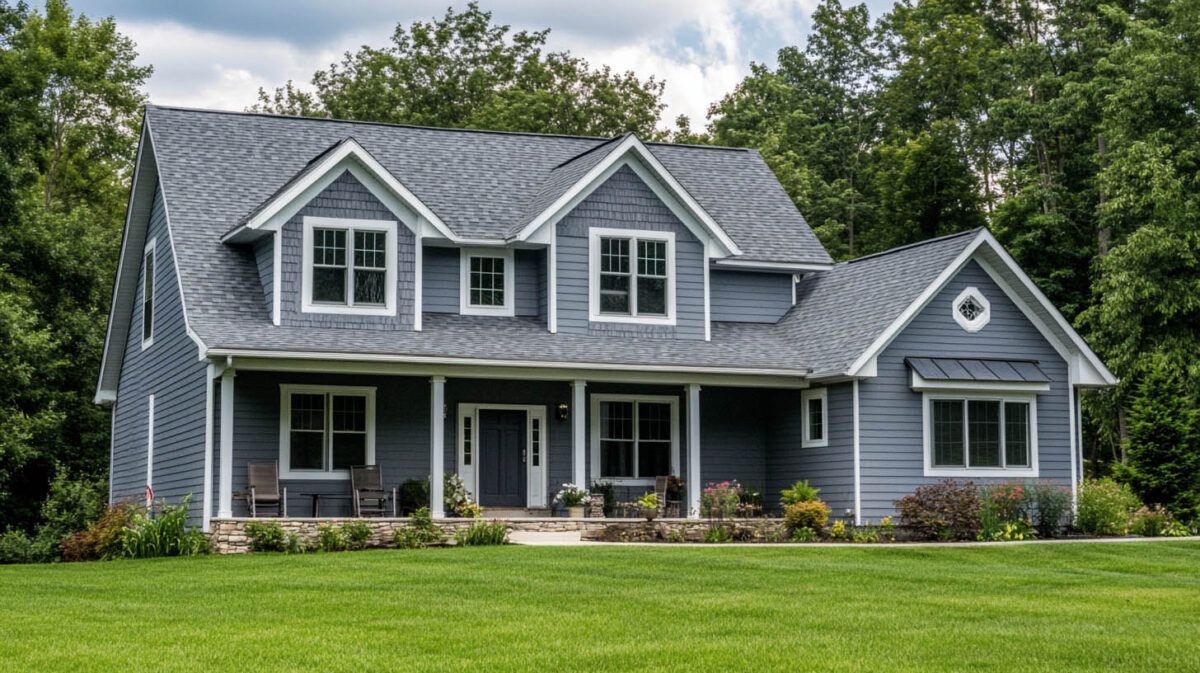
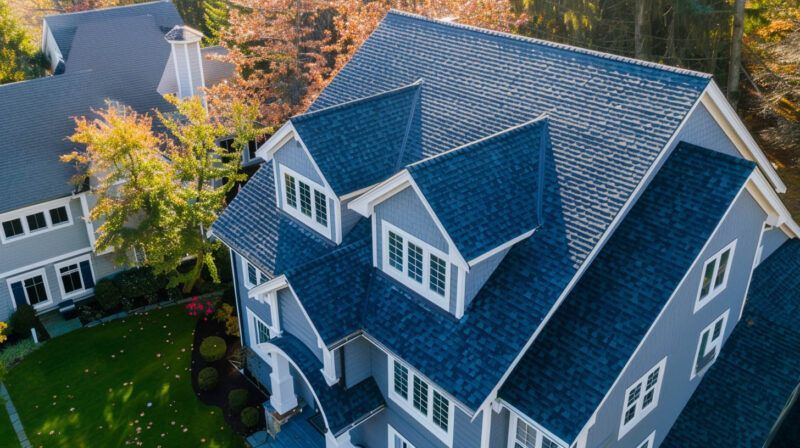
Siding plays a crucial role in a home’s insulation, acting as a protective barrier against temperature fluctuations and external elements. Beyond its aesthetic function, siding helps regulate indoor temperatures, improving energy efficiency and reducing utility costs. Properly selected and installed siding materials can significantly enhance a home’s thermal performance, contributing to long-term energy savings and sustainability.
The Relationship Between Siding and Home Insulation
A well-insulated home retains heat during the winter and prevents excess heat absorption in the summer, reducing strain on heating and cooling systems. While insulation within walls is essential, siding acts as the first line of defense against heat transfer. The efficiency of siding in preventing heat loss or gain depends on its R-value, which measures its thermal resistance. The higher the R-value, the better the siding insulates.
Factors Influencing Siding’s Insulating Properties
- Material Composition – Different siding materials have varying levels of thermal resistance. Some provide natural insulation, while others require additional layers for effectiveness.
- Installation Quality – Even the best siding materials can fail to insulate effectively if improperly installed. Gaps, cracks, or misaligned panels can lead to air leakage and energy loss.
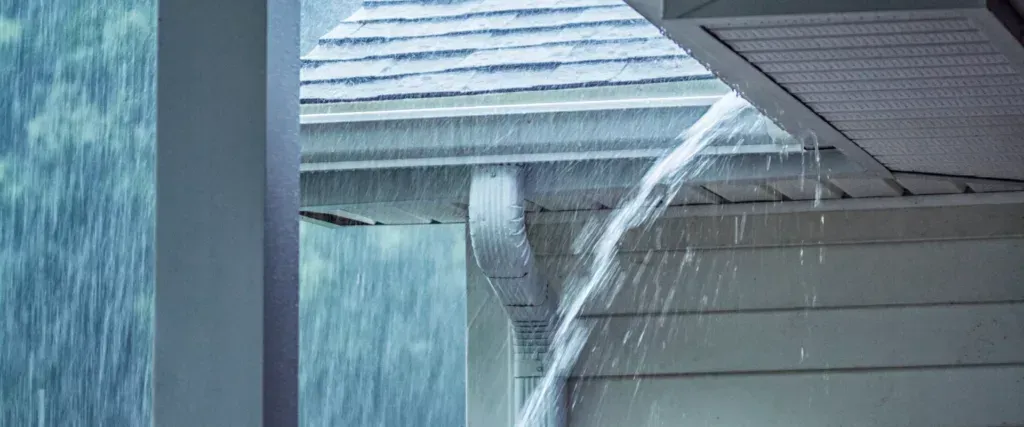
- Weather Resistance – Moisture infiltration can compromise insulation. High-quality siding should be resistant to rain, snow, and humidity to maintain its insulating capabilities.
- Additional Insulation Layers – Some siding types come with built-in insulation, while others may require extra insulation layers to improve energy efficiency.
Understanding R-Value in Siding
The R-value of siding indicates how well it resists heat flow. Higher R-values mean better insulation, reducing the reliance on heating and cooling systems. While traditional insulation materials have higher R-values than siding, selecting the right siding material can significantly improve a home’s overall energy performance.
R-Value Comparison of Siding Materials
- Vinyl Siding – Standard vinyl siding has a relatively low R-value (around 0.61). Insulated vinyl siding, which includes foam backing, improves this to approximately 2.0–3.0.
- Fiber Cement Siding – This durable option has an R-value of 0.5, which is slightly better than traditional vinyl but still requires supplementary insulation.
- Wood Siding –
Natural wood has an R-value of 0.81 per inch, providing moderate insulation benefits. However, it requires consistent maintenance to prevent moisture damage.
- Brick and Stone Veneer Siding –
With R-values between 0.44 and 0.80, these materials offer decent insulation while also enhancing thermal mass, allowing them to retain and slowly release heat.
- Insulated Siding –
Foam-backed insulated siding can reach R-values as high as 4.0, making it one of the most effective choices for energy efficiency.
The Impact of Proper Siding Installation on Energy Efficiency
Even high-R-value siding can fail to perform effectively if installed incorrectly. Proper installation techniques are crucial to maximizing insulation benefits.
Key Installation Factors Affecting Insulation
- Eliminating Air Gaps – Poorly installed siding with gaps allows cold or hot air to penetrate, reducing insulation effectiveness.
- Using Weather Barriers – Moisture-resistant barriers beneath siding prevent water infiltration, preserving insulation quality.
- Sealing Joints and Edges –
Proper sealing techniques ensure airtight installation, reducing energy loss.
- Securing Siding to Prevent Warping – Incorrectly fastened siding can warp over time, creating openings that compromise insulation.
Enhancing Siding Insulation with Additional Measures
In climates with extreme temperatures, homeowners can supplement siding insulation through additional strategies.
Best Practices for Maximizing Siding Insulation
- Installing House Wraps –
These act as an extra air and moisture barrier, improving insulation efficiency.
- Adding Rigid Foam Board Insulation – This creates an additional thermal barrier under the siding, increasing overall R-value.
- Upgrading to Insulated Siding –
If existing siding lacks insulation, replacing it with foam-backed siding can enhance energy efficiency.
- Sealing Windows and Doors – Insulated siding should be complemented by properly sealed windows and doors to prevent heat transfer.
The Long-Term Benefits of Energy-Efficient Siding
Investing in high-quality, well-insulated siding has both immediate and long-term benefits.
- Lower Energy Bills –
A well-insulated home reduces heating and cooling costs by minimizing heat loss and gain.
- Enhanced Indoor Comfort – Maintaining consistent indoor temperatures eliminates drafts and temperature fluctuations.
- Increased Home Value –
Energy-efficient upgrades, including insulated siding, improve resale value.
- Reduced Environmental Impact –
Lower energy consumption decreases carbon emissions, making homes more eco-friendly.
Choosing the Right Siding Contractor for Optimal Insulation
Selecting a professional siding contractor ensures proper installation and insulation efficiency. Certified installers follow best practices, preventing issues such as poor sealing, warping, or water infiltration.
180 Contractors Roofing & Siding, located in Rochester Hills, MI, specializes in high-quality siding installation that enhances insulation and energy efficiency. With a reputation for superior craftsmanship, the company is accredited by BBB A+, Guildmaster (GuildQuality), and INC 5000, ensuring homeowners receive industry-leading service. As a Google Guaranteed and Qualified Remodeler Top 100 Satisfaction company, we work with premium brands such as James Hardie, Alside, and Everlast, offering durable, energy-efficient siding solutions.
FAQs
1. What is the most energy-efficient siding material?
Insulated vinyl siding offers the highest R-value, making it the most effective option for improving home insulation and reducing energy costs.
2. Can I add insulation under my existing siding?
Yes, rigid foam board insulation or house wraps can be installed beneath siding to enhance thermal resistance.
3. How much does insulated siding reduce energy bills?
Insulated siding can reduce heating and cooling costs by 10–20%, depending on the home’s existing insulation levels and climate conditions.
4. Does siding alone provide enough insulation?
While siding contributes to insulation, it works best when combined with additional insulation materials such as foam board, house wraps, and proper sealing techniques.
5. How often should siding be inspected for insulation performance?
Siding should be inspected annually for cracks, warping, or gaps that could compromise insulation effectiveness.
Conclusion
Siding is a critical component of a home’s insulation system, influencing energy efficiency, indoor comfort, and long-term cost savings. The right siding material, combined with professional installation and additional insulation techniques, enhances thermal resistance, reducing energy waste and utility expenses. Investing in high-performance siding ensures a durable, eco-friendly home that remains comfortable year-round.
Read also our blog:
The Critical Role of Proper Siding Installation in Home Protection and Efficiency