Siding installation is more than just an exterior design choice—it serves as a critical protective layer that enhances a home’s structural integrity, energy efficiency, and overall durability. Properly installed siding safeguards against moisture intrusion, regulates indoor temperature, and extends the lifespan of the home’s exterior. Below, we explore the essential aspects of siding installation and why professional craftsmanship is vital for long-term home performance.
The Foundation of a Durable and Secure Home
Siding acts as the first line of defense against environmental threats, including rain, wind, and pests. When installed correctly, it prevents water infiltration, which can lead to structural decay, mold growth, and compromised insulation. Poor siding installation, on the other hand, often results in gaps and misalignments that expose the home’s frame to moisture and temperature fluctuations.
Professional installation ensures:
- Precise measurements and secure fastening of panels.
- Proper overlap and sealing techniques to eliminate vulnerabilities.
- Protection against insect infestations and wood rot.
By reinforcing the home’s exterior, well-installed siding enhances structural stability and minimizes the risk of costly future repairs.
Enhancing Energy Efficiency and Indoor Comfort
One of the most overlooked benefits of proper siding installation is its impact on energy efficiency. Siding serves as an additional insulation layer, reducing heat loss in winter and preventing excessive heat absorption in summer. Improperly installed siding can lead to air leaks, making HVAC systems work harder to maintain indoor temperatures, resulting in higher energy bills.
Key factors influencing energy efficiency include:
- The use of insulated siding materials that reduce thermal bridging.
- Tight-fitting installations that eliminate drafts and prevent air leakage.
- Compatibility with weather-resistant barriers for additional insulation benefits.
Homeowners who invest in high-quality siding installation can significantly reduce energy consumption and create a more comfortable living environment.
Preventing Moisture Damage and Mold Growth
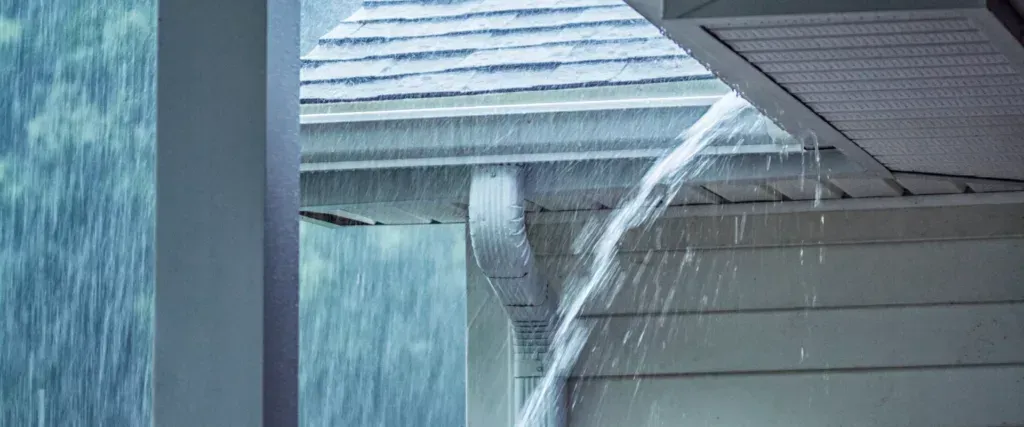
Moisture is one of the biggest threats to a home’s longevity. If water seeps behind improperly installed siding, it can lead to mold growth, wood decay, and even structural weakening. Over time, moisture infiltration may cause significant damage, requiring expensive repairs or even complete siding replacement.
Critical moisture management techniques in siding installation include:
- Incorporating water-resistant barriers beneath the siding layers.
- Using flashing around windows, doors, and rooflines to direct water away.
- Ensuring proper ventilation to reduce condensation buildup.
By addressing moisture control during installation, homeowners can protect their investment and maintain a healthier indoor environment.
Boosting Curb Appeal and Home Value
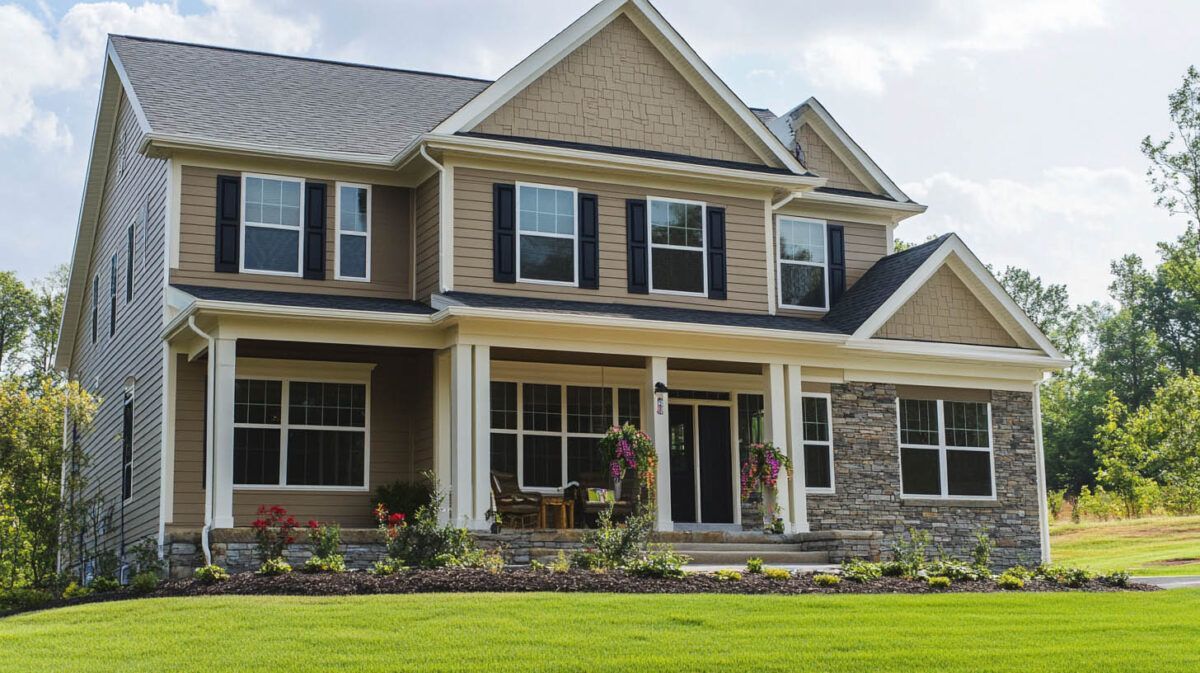
Aesthetics play a significant role in a home’s market value. Professionally installed siding provides a smooth, uniform appearance, enhancing the property’s overall curb appeal. Uneven, warped, or improperly spaced panels can make even the most attractive siding material look unattractive, diminishing a home’s visual appeal.
Key elements of a visually appealing siding installation:
- Precision in panel alignment to create a seamless finish.
- Selection of high-quality materials that complement the home’s architecture.
- Proper color matching and integration with trim and accents.
A home with properly installed siding not only looks polished but also increases its resale value, making it a smart long-term investment.
Longevity and Low Maintenance Benefits
Siding durability largely depends on how well it is installed. Even the best siding materials will fail prematurely if they are not secured correctly. Poorly installed siding is more susceptible to warping, cracking, and separation, leading to frequent maintenance and replacements.
Installation practices that maximize siding lifespan:
- Ensuring adequate expansion and contraction space for materials like vinyl.
- Using manufacturer-recommended fastening techniques.
- Applying protective coatings to enhance weather resistance.
With expert installation, siding can last for decades, reducing the need for costly repairs and extensive upkeep.
Choosing the Right Professionals for Siding Installation
Selecting a qualified contractor is crucial for ensuring siding performs as expected. The expertise of a professional installer guarantees that all technical and safety standards are met, maximizing the siding’s functionality and durability.
When hiring a siding contractor, consider:
- Industry certifications and accreditations.
- Experience with different siding materials and installation techniques.
- Customer reviews and past project portfolios.
A reputable contractor like 180 Contractors Roofing & Siding, located in Troy, MI, provides expert siding installation backed by industry-leading certifications. Their commitment to quality craftsmanship ensures that homeowners receive superior protection, efficiency, and aesthetics in their siding projects.
Our Certifications and Trusted Brands
We take pride in delivering top-tier siding solutions, backed by industry-recognized certifications:
- BBB A+ Accredited
- Guildmaster (GuildQuality)
- INC 5000
- Google Guaranteed
- Qualified Remodeler Top 100 Satisfaction
Additionally, we work with premium brands, including:
- James Hardie
- Alside
- Everlast
These partnerships allow us to provide homeowners with high-performance siding options designed for long-lasting durability and aesthetic appeal.
FAQs
1. How long does properly installed siding last?
The lifespan of siding depends on the material used and the quality of installation. Vinyl siding can last 20-40 years, while fiber cement siding can last up to 50 years when installed correctly.
2. What are the signs that my siding was installed improperly?
Common indicators include visible gaps between panels, buckling or warping, water stains on interior walls, and increased energy bills due to poor insulation.
3. Does siding installation require a weather barrier?
Yes, a weather-resistant barrier is essential for preventing moisture infiltration and improving energy efficiency. It acts as an additional layer of protection beneath the siding.
4. How does siding impact my home’s resale value?
Well-installed, high-quality siding improves curb appeal and structural integrity, making the home more attractive to buyers and increasing its market value.
5. What is the best season to install siding?
Spring and fall are ideal for siding installation due to moderate temperatures. However, professional installers can complete the job year-round using proper techniques.
Conclusion
Proper siding installation is essential for maintaining a home’s structural integrity, energy efficiency, and aesthetic appeal. By ensuring a precise and professional installation, homeowners can protect their property from environmental damage, reduce maintenance costs, and enhance their home’s value. Investing in expert siding services is not just a visual upgrade—it is a crucial step in safeguarding the longevity and performance of your home.
Read also our blog:
How to Choose the Best Siding Company for Your Home