Selecting the right siding company is a crucial decision for homeowners looking to enhance their property’s durability, energy efficiency, and curb appeal. With various contractors available, it’s essential to choose one with the right expertise, credentials, and reputation. This guide will walk you through the critical factors to consider when hiring a siding company to ensure a successful home improvement project.
Why Siding Matters for Your Home
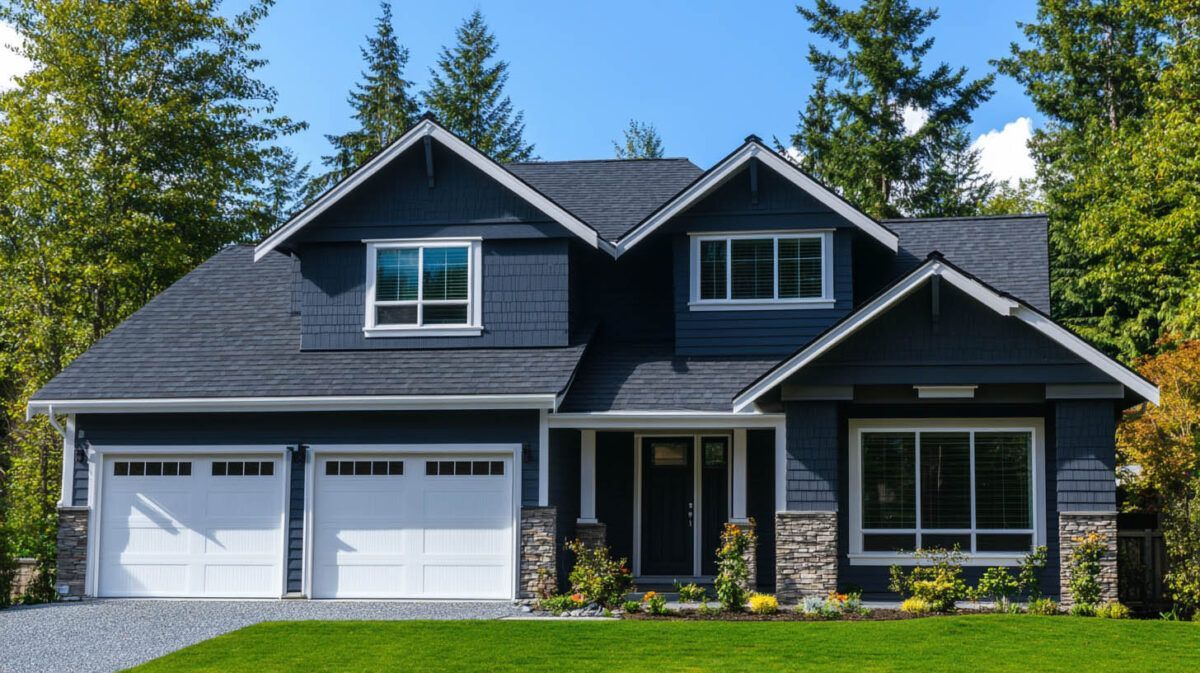
Siding serves both functional and aesthetic purposes, making it a vital component of any home exterior. Some key benefits of high-quality siding include:
1. Protection Against the Elements
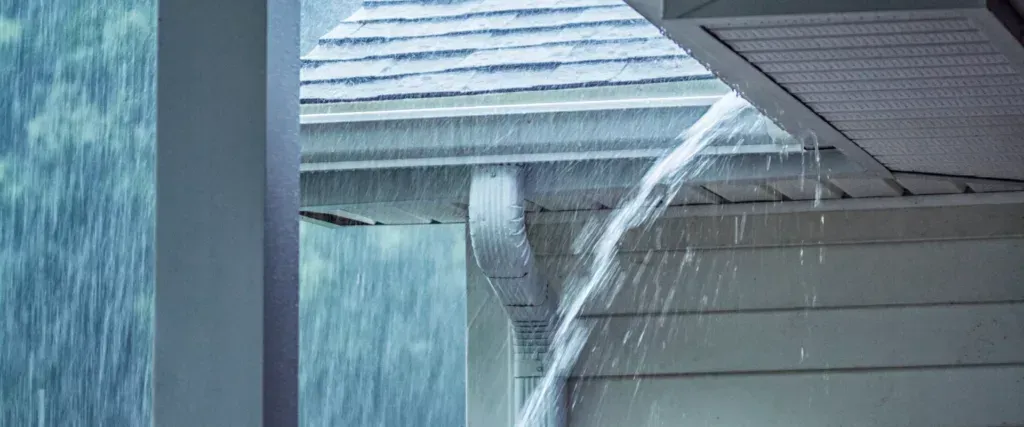
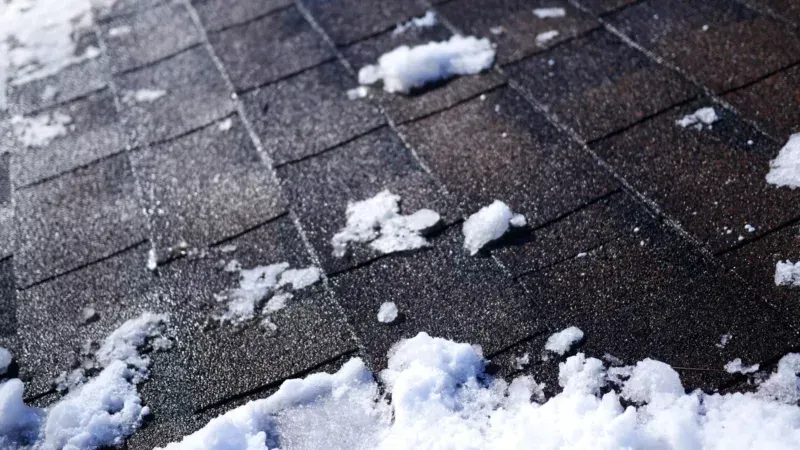
Siding shields your home from rain, wind, snow, and extreme temperatures, preventing structural damage and mold growth.
2. Improved Energy Efficiency
Well-installed siding reduces heat loss in winter and keeps interiors cool in summer, leading to lower energy bills.
3. Increased Property Value
A well-maintained exterior enhances curb appeal, attracting potential buyers and increasing the home’s market value.
4. Low Maintenance Requirements
Many modern siding materials, such as fiber cement and vinyl, require minimal upkeep while maintaining their appearance for years.
Key Factors to Consider When Choosing a Siding Company
Finding the right siding contractor requires careful research and consideration. Here are essential factors to evaluate:
1. Experience and Specialization
Not all siding companies have the same level of expertise. Look for a contractor specializing in siding installation, repair, or replacement rather than general home improvement services. Experience with various materials, including vinyl, fiber cement, wood, and metal, ensures they can handle your specific needs.
2. Proper Licensing, Insurance, and Certifications
A reputable siding company should be fully licensed to operate in your area and carry insurance to protect against accidents or damage. Essential credentials include:
- Licensing:
Confirms the contractor meets local regulatory standards.
- Insurance:
Covers liability and workers’ compensation, protecting you from financial risks.
- Manufacturer Certifications: Indicates the contractor is trained to install specific siding brands correctly.
3. Strong Local Reputation and References
Check online reviews, testimonials, and ratings on platforms like Google, Yelp, and the Better Business Bureau (BBB). Additionally, ask the company for references from recent clients to assess their quality of work.
4. Warranty and Workmanship Guarantee
Reliable siding contractors provide warranties on materials and labor. A strong warranty reflects confidence in their work and offers peace of mind. Look for:
- Material warranty: Covers defects in siding products (often 20–50 years).
- Workmanship warranty: Guarantees proper installation (usually 1–5 years).
5. Transparent Pricing and Detailed Estimates
Before committing to a contractor, request multiple quotes and compare them. A comprehensive estimate should include:
- Material costs
- Labor fees
- Project timeline
- Cleanup and disposal costs
- Any potential additional charges
Be cautious of unusually low bids, which may indicate subpar materials or hidden fees.
6. Local Presence and Availability
Choosing a company with a physical office in your area ensures accessibility for consultations, follow-ups, and potential warranty claims. Local contractors also understand regional climate conditions and can recommend the best siding materials accordingly.
7. Work Portfolio and Past Projects
Ask for before-and-after photos of completed siding projects. This visual proof helps you evaluate the contractor’s expertise and craftsmanship.
8. Cleanup and Post-Project Maintenance
Professional siding companies handle all debris removal and cleanup after installation. They should also provide guidance on maintaining your siding for longevity.
Popular Siding Materials and Their Benefits
1. Vinyl Siding
- Cost-effective and durable
- Low maintenance with various color options
- Resistant to moisture and pests
2. Fiber Cement Siding
- Mimics wood, stone, or brick aesthetics
- Fire-resistant and long-lasting
- Withstands extreme weather conditions
3. Wood Siding
- Classic, natural look
- Can be painted or stained for customization
- Requires regular maintenance
4. Metal Siding (Aluminum or Steel)
- Resistant to fire, rot, and insects
- Modern, sleek appearance
- Higher upfront cost but long lifespan
5. Composite Siding
- Engineered for enhanced durability
- Eco-friendly options available
- Requires minimal upkeep
Red Flags to Watch for When Hiring a Siding Contractor
- Lack of proper licensing and insurance – Could leave you liable for damages or accidents.
- No written contract or vague pricing – Can lead to unexpected costs and disputes.
- Poor communication or reluctance to answer questions – Indicates potential unreliability.
- High-pressure sales tactics – A reputable company will provide time to consider options.
- No local presence or portfolio of past work –
May suggest inexperience or unreliability.
Choosing a Trusted Siding Contractor
For homeowners seeking expert siding installation, 180 Contractors Roofing & Siding, located in Waterford, MI, provides top-tier service with a commitment to excellence. Our company holds prestigious industry certifications, including BBB A+ accreditation, Guildmaster (GuildQuality), INC 5000, and Google Guaranteed. We partner with trusted brands such as James Hardie, Alside, and Everlast, ensuring premium materials and outstanding results.
Frequently Asked Questions (FAQs)
1. How long does siding installation take?
The timeline varies based on the home’s size and material used, but most projects take 1 to 2 weeks.
2. What is the most durable siding option?
Fiber cement and metal siding are among the most durable choices, offering long-lasting performance and resistance to extreme weather.
3. How often should siding be replaced?
The lifespan depends on the material, but vinyl siding lasts 20-40 years, while fiber cement can exceed 50 years with proper maintenance.
4. Can I install new siding over the old one?
While it is possible in some cases, removing old siding ensures a more secure installation and prevents underlying damage.
5. What is the best way to maintain siding?
Regularly clean with mild detergent, inspect for damage, and repair or repaint when necessary to extend its lifespan.
Conclusion
Selecting the right siding company is essential for a successful home improvement project. By prioritizing experience, credentials, warranties, and transparent pricing, homeowners can ensure high-quality siding installation that enhances their home’s durability and value. Take the time to research and compare contractors to make an informed decision, ensuring long-lasting protection and beauty for your home.
Read also our blog:
Why Vinyl Siding Offers a Strong Return on Investment