Siding serves as a protective barrier against the elements, safeguarding a home’s structural integrity. However, water infiltration can compromise its performance, leading to costly damage if left unaddressed. Understanding the warning signs of water damage and implementing preventative measures ensures the longevity and durability of your home’s exterior.
1. Common Causes of Water Damage on Siding
Aging and Weather Exposure
Over time, siding materials deteriorate due to continuous exposure to rain, snow, wind, and UV rays. This natural wear can result in cracks, warping, and loose panels, creating openings for moisture infiltration.
Clogged Gutters and Drainage Issues
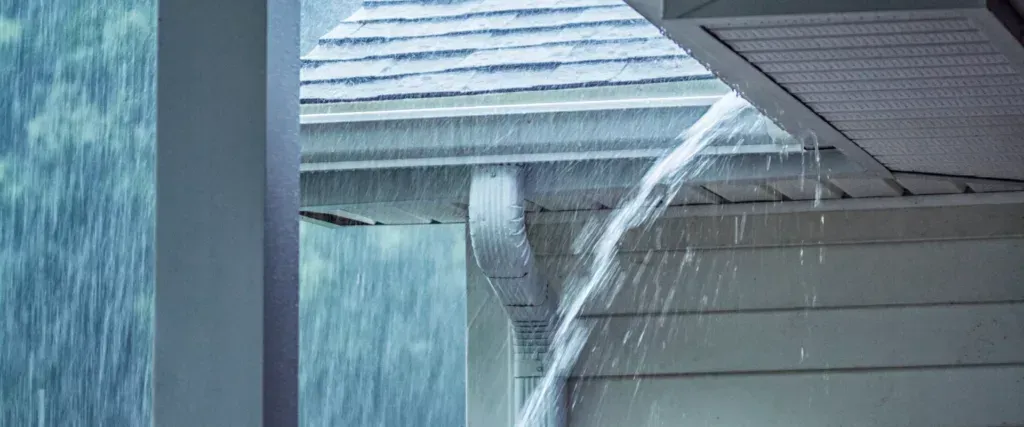
Gutters play a crucial role in directing water away from a home. When clogged with leaves and debris, they cause water to overflow, leading to excess moisture penetration behind siding panels.
Roof Leaks and Flashing Failures
A compromised roof allows water to seep down exterior walls, affecting siding. Damaged or improperly installed flashing—thin metal strips that seal gaps around chimneys, vents, and windows—can further exacerbate moisture issues.
Improper Installation
Siding that is not correctly installed may develop gaps, misaligned seams, or weak points that allow water to seep behind panels. Errors such as nailing new siding over old materials or failing to leave expansion gaps can contribute to water retention.
Deteriorating Caulking and Seals
Caulking around windows, doors, and joints prevents water infiltration. Over time, it can dry out, crack, or peel away, leaving vulnerable points where moisture can enter.
2. Visible Signs of Water Damage on Siding
Water Stains and Discoloration
Unexplained streaks, stains, or dark patches on siding indicate prolonged water exposure. Stains may appear in areas beneath gutters, around window trim, or near the foundation.
Peeling or Blistering Paint
Excess moisture beneath the siding can cause paint to peel or bubble prematurely. If the exterior paint is deteriorating faster than expected, underlying water damage may be the culprit.
Soft or Rotted Wood
For homes with wood siding, prolonged water exposure leads to wood rot. Affected boards may feel soft, spongy, or crumbly when pressed, indicating structural decay.
Mold and Mildew Growth
Dark spots, green algae, or black mold patches are signs of excessive moisture retention. Mold not only damages siding but can also pose health risks to residents.
Warping, Buckling, or Loose Panels
Moisture absorption can cause siding to expand and contract, leading to visible warping, buckling, or detachment from the home. Loose panels create further entry points for water.
Rusting or Protruding Nails
When water seeps behind siding, it can cause nails to rust, loosen, or push outward. Rust-streaked nails indicate hidden moisture damage beneath the surface.
Increased Energy Bills
Damaged siding compromises insulation, allowing heat to escape in winter and enter in summer. A sudden spike in energy costs may signal exterior damage affecting thermal efficiency.
3. Preventative Measures to Avoid Water Damage
Regular Inspections and Maintenance
Conduct seasonal inspections, particularly after heavy storms or winter conditions. Look for cracks, loose panels, or any signs of deterioration, addressing minor issues before they escalate.
Ensure Proper Gutter Functionality
- Clean gutters at least twice a year to prevent blockages.
- Install gutter guards to minimize debris buildup.
- Ensure downspouts extend at least 3–5 feet from the foundation to direct water away.
Seal Gaps and Caulking
- Inspect caulking around windows, doors, and joints annually.
- Remove old, deteriorated caulk and apply a fresh waterproof sealant.
- Use high-quality, flexible caulk designed for exterior applications.
Address Roof and Flashing Issues
- Inspect the roof for missing shingles, leaks, or damaged flashing.
- Repair any roof vulnerabilities to prevent water infiltration.
- Ensure proper attic ventilation to reduce condensation buildup.
Choose Water-Resistant Siding Materials
Selecting durable, moisture-resistant siding reduces the risk of long-term damage. Fiber cement, vinyl, and metal sidings provide better protection against water infiltration compared to traditional wood.
4. Best Siding Materials for Moisture Protection
Fiber Cement Siding
Highly resistant to moisture, pests, and fire, fiber cement siding is a top choice for homeowners seeking durability. Unlike wood, it does not absorb water, making it less prone to rot or warping.
Vinyl Siding
Vinyl is naturally water-resistant and does not require painting or sealing. However, improper installation can create gaps where moisture may accumulate.
Metal Siding
Aluminum and steel siding provide excellent water resistance but may be prone to rust if not properly coated and maintained.
Engineered Wood Siding
Treated to resist moisture damage, engineered wood siding offers better durability than natural wood. However, proper sealing and maintenance are required to ensure longevity.
Why Choose 180 Contractors Roofing & Siding?
For superior siding installation and moisture protection, 180 Contractors Roofing & Siding, located in Troy, MI, offers expert craftsmanship and premium materials. Our certifications include BBB A+ accreditation, Guildmaster (GuildQuality), INC 5000, Google Guaranteed, and Qualified Remodeler Top 100 Satisfaction. We work with industry-leading brands such as James Hardie, Alside, and Everlast, ensuring long-lasting, weather-resistant siding solutions for homeowners.
Frequently Asked Questions (FAQs)
1. How do I know if my siding has water damage?
Look for signs such as peeling paint, warped boards, mold growth, rusting nails, and increased energy bills.
2. What siding materials are best for water resistance?
Fiber cement, vinyl, and metal siding offer excellent moisture resistance, reducing the risk of rot and mold growth.
3. Can I repair water-damaged siding, or should I replace it?
Minor issues, such as small cracks or loose panels, can often be repaired. However, extensive rot, mold, or structural deterioration typically requires replacement.
4. How often should I inspect my siding for water damage?
It’s recommended to inspect siding twice a year, especially after heavy storms or extreme weather conditions.
5. What steps can I take to prevent water damage?
Regular maintenance, proper gutter drainage, sealing gaps, and choosing moisture-resistant siding materials help prevent water-related issues.
Conclusion
Water damage on siding can lead to serious structural issues if left untreated. Identifying warning signs early and taking proactive maintenance measures ensures long-term protection. Investing in high-quality, moisture-resistant siding materials and working with professional installers helps safeguard your home against costly water infiltration.
Read also our blog: The Eco-Friendly Advantages of Choosing Fiber Cement Siding