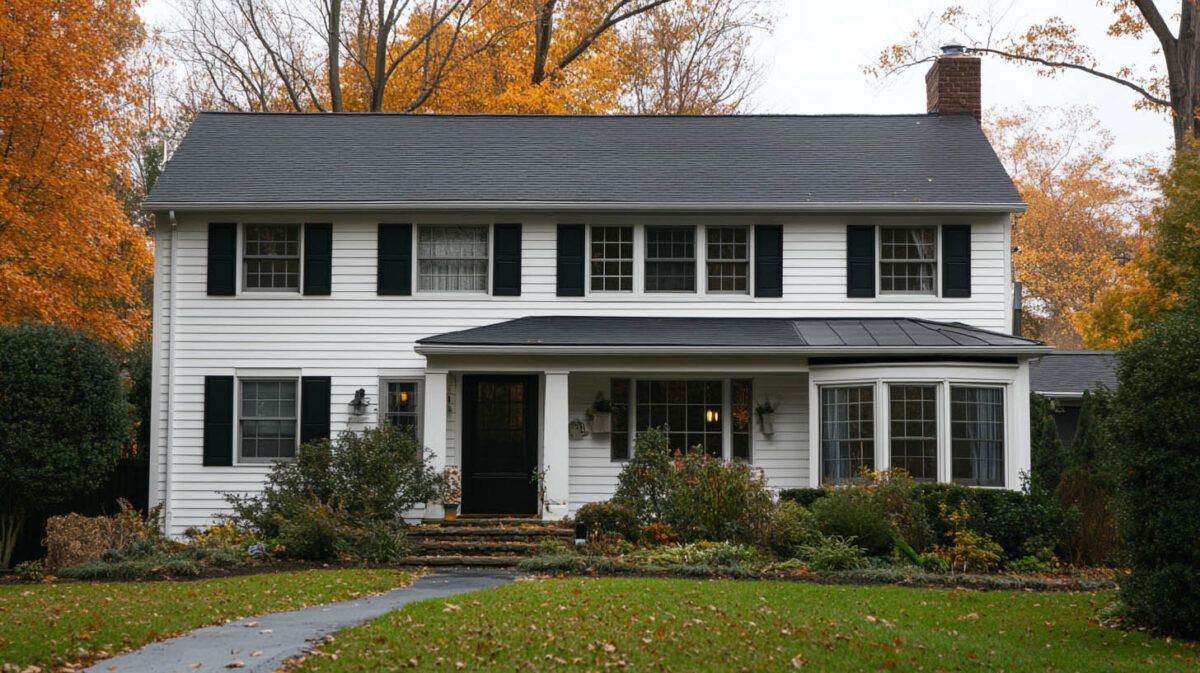
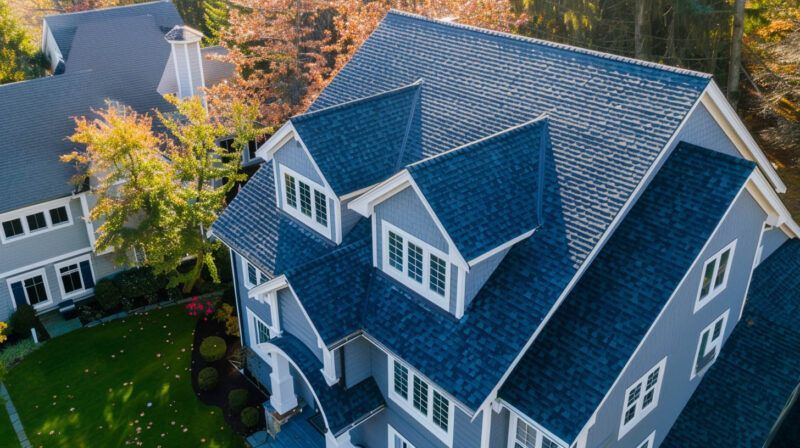
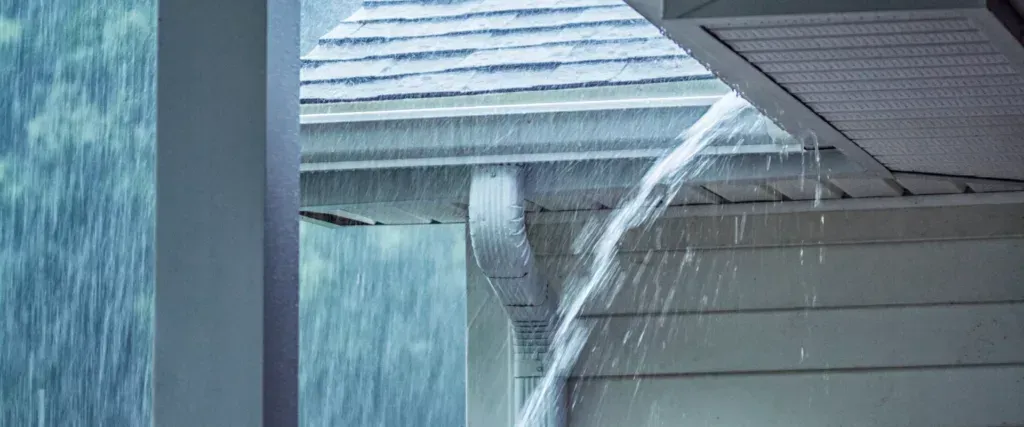
Choosing the right siding is essential for a home’s durability, aesthetic appeal, and overall value. Two popular options—fiber cement and aluminum siding—offer distinct benefits and challenges. A side-by-side comparison helps homeowners determine which material best suits their needs in terms of longevity, maintenance, curb appeal, and cost-effectiveness.
1. Durability and Longevity
Fiber Cement Siding: Engineered for Strength
Fiber cement siding is a composite material made from Portland cement, cellulose fibers, sand, and water. It is specifically engineered to resist harsh weather conditions, fire, and pests. Unlike traditional wood or vinyl, fiber cement does not warp, crack, or deteriorate quickly.
- Lifespan:
50+ years with proper maintenance.
- Resists moisture damage, mold, and rot.
- Withstands extreme weather conditions, including heavy snow and rain.
Aluminum Siding: Lightweight but Prone to Damage
Aluminum siding, made from rolled aluminum sheets coated with protective finishes, gained popularity in the mid-20th century. While it is resistant to rust and insect damage, it is susceptible to denting, scratching, and fading over time.
- Lifespan:
30–40 years with proper maintenance.
- Can dent easily from hail, falling branches, or accidental impact.
- Susceptible to color fading and chalking due to oxidation.
Winner: Fiber Cement
With a longer lifespan and superior resistance to damage, fiber cement siding offers greater durability.
2. Maintenance and Upkeep
Fiber Cement: Minimal Upkeep, Long-Lasting Color
Fiber cement requires minimal maintenance aside from periodic cleaning and occasional caulking. Factory-finished options, like James Hardie’s ColorPlus® Technology, provide pre-painted boards that resist fading and last up to 15 years without repainting.
- Maintenance tasks:
Annual rinsing and periodic inspections for caulk seal integrity.
- Repainting frequency: Every 15–20 years if ColorPlus® is used, every 7–10 years otherwise.
Aluminum: Low Maintenance but Prone to Fading
Aluminum siding is relatively low maintenance but requires repainting every 10–15 years due to oxidation and chalking. It is also prone to dents, which cannot be easily repaired and may require panel replacement.
- Maintenance tasks: Cleaning twice a year to remove oxidation buildup.
- Repainting frequency: Every 10–15 years due to color fading and chalking.
- Dents and scratches require panel replacement.
Winner: Fiber Cement
While both materials require little maintenance, fiber cement holds color longer and is more resistant to impact damage.
3. Curb Appeal and Aesthetic Versatility
Fiber Cement: Authentic Wood Look and Customization
Fiber cement siding can mimic the texture and grain of natural wood while being far more durable. It is available in various finishes, including:
- Smooth panels for modern aesthetics.
- Wood grain textures for traditional and rustic styles.
- Shingles and board-and-batten designs for added character.
James Hardie siding offers a wide range of factory-finished colors that resist fading and require less repainting than standard exterior paint.
Aluminum: Limited Texture and Finish Options
Aluminum siding is available in smooth and lightly textured finishes but does not replicate the deep grain texture of wood as effectively as fiber cement. Though it comes in various colors, oxidation over time results in chalking and discoloration.
Winner: Fiber Cement
For homeowners seeking a premium wood-like appearance and greater design flexibility, fiber cement siding is the superior choice.
4. Cost and Return on Investment
Fiber Cement: Higher Upfront Cost, Greater Long-Term Value
Fiber cement siding costs more than aluminum initially, but its long lifespan and durability provide a strong return on investment. Homeowners can recoup an estimated 76% of fiber cement siding installation costs upon resale.
- Installation cost:
$10–$14 per square foot (including labor).
- Higher upfront investment but reduced maintenance expenses.
- Boosts property value due to long-lasting performance and curb appeal.
Aluminum: Budget-Friendly but Lower Resale Value
Aluminum siding is typically more affordable to install than fiber cement, making it an attractive choice for homeowners on a budget. However, its tendency to dent and fade lowers its resale appeal compared to fiber cement.
- Installation cost: $7–$12 per square foot (including labor).
- Lower upfront investment but higher long-term maintenance costs.
- Less desirable for home resale due to visible wear over time.
Winner: Fiber Cement
Though it has a higher initial cost, fiber cement siding provides long-term savings by reducing maintenance and increasing home resale value.
5. Environmental Impact and Energy Efficiency
Fiber Cement: Sustainable and Fire-Resistant
Fiber cement is made from natural and recyclable materials, making it an environmentally responsible choice. It is also non-combustible, providing superior fire resistance compared to aluminum.
- Meets fire safety standards as a non-combustible material.
- Resists extreme weather conditions, reducing replacement waste.
- No VOC emissions, unlike vinyl or certain treated aluminum coatings.
Aluminum: Recyclable but Prone to Energy Loss
Aluminum siding is fully recyclable, reducing landfill waste. However, aluminum conducts heat and cold efficiently, leading to poor insulation properties unless paired with insulated backer boards.
- Recyclable but prone to denting and fading, requiring frequent replacement.
- Lacks energy efficiency unless insulated panels are used.
- Can become noisy during rainstorms or high winds.
Winner: Fiber Cement
With better energy efficiency, fire resistance, and sustainable production, fiber cement siding is the more eco-friendly option.
Why Choose 180 Contractors Roofing & Siding?
For homeowners looking for high-quality siding installation, 180 Contractors Roofing & Siding, located in Rochester Hills, MI, provides expert craftsmanship and superior materials. Our certifications include BBB A+ accreditation, Guildmaster (GuildQuality), INC 5000, Google Guaranteed, and Qualified Remodeler Top 100 Satisfaction. We work with top brands like James Hardie, Alside, and Everlast, ensuring your home receives the best protection, aesthetics, and long-term value.
Frequently Asked Questions (FAQs)
1. Which siding lasts longer, fiber cement or aluminum?
Fiber cement siding lasts 50+ years, whereas aluminum typically lasts 30–40 years before requiring replacement.
2. Which siding is better for extreme weather conditions?
Fiber cement performs better in cold, wet, and storm-prone areas, while aluminum may dent easily from hail or debris.
3. Does fiber cement siding require painting?
If using ColorPlus® pre-finished fiber cement, repainting is unnecessary for 15+ years. Standard fiber cement may require repainting every 7–10 years.
4. Which siding option is more resistant to fire?
Fiber cement is non-combustible, making it the safer choice in fire-prone areas, whereas aluminum can warp or melt under high heat.
5. Which siding provides better insulation?
Fiber cement siding offers better thermal regulation than aluminum, which conducts heat and requires additional insulation.
Conclusion
Both fiber cement and aluminum siding have their advantages, but fiber cement emerges as the superior choice in durability, curb appeal, energy efficiency, and return on investment. Its resistance to fire, pests, and extreme weather conditions makes it the best long-term solution for homeowners seeking a low-maintenance, high-value exterior upgrade.
Read also our blog:
How to Identify and Prevent Water Damage on Your Siding