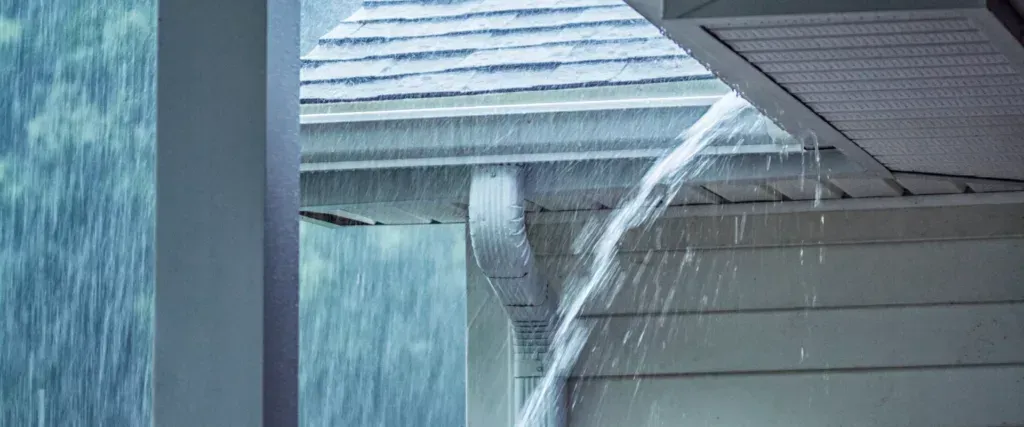
Installing new siding is a major home improvement project that enhances both the aesthetics and durability of your property. Proper preparation is essential to ensure a smooth installation process, minimize delays, and achieve long-lasting results. This guide provides comprehensive steps to prepare your home for siding installation, covering everything from initial inspection to post-installation considerations.
Inspect and Repair the Exterior
Before installing new siding, a thorough inspection of your home’s exterior is necessary to identify any existing issues that could compromise the integrity of the new siding.
Check for Structural Damage
Examine the exterior walls for cracks, rot, or insect damage. Any compromised sections of the sheathing or framing should be repaired or replaced to prevent further deterioration.
Assess Moisture Issues
Look for signs of water damage, such as peeling paint, warped wood, or mold. If moisture has penetrated the existing siding, the underlying structure may need drying and treatment before new siding can be installed.
Inspect Insulation and Ventilation
Proper insulation and ventilation are critical to maintaining energy efficiency and preventing condensation-related issues. If your home lacks sufficient insulation, consider adding a weather-resistant barrier before siding installation.
Clear the Work Area
To ensure an efficient installation process, the area around your home should be free from obstructions.
Remove Outdoor Furniture and Decorations
Relocate patio furniture, potted plants, lawn ornaments, and any other outdoor items that could hinder the installation crew’s movement.
Trim Landscaping
Prune overgrown bushes, trees, and hedges that are in close proximity to the house. This prevents interference with the siding installation process and reduces the risk of damage.
Secure Windows and Doors
Check that all windows and doors are properly sealed and closed to prevent dust and debris from entering your home during construction.
Prepare for Temporary Disruptions
Siding installation can cause temporary disruptions to your daily routine. Taking the following steps will help minimize inconvenience.
Inform Household Members
Ensure all household members are aware of the construction schedule. This helps everyone prepare for noise, restricted access, and potential power interruptions.
Protect Indoor Spaces
Dust and vibrations from siding installation can affect the interior of your home. Cover furniture and electronics near exterior walls to keep them clean and safe.
Secure Pets
Pets can be stressed by loud noises and unfamiliar activity. Keep them in a safe, quiet area away from the construction zone.
Remove Old Siding (If Necessary)
If your home currently has siding that needs replacement, it must be removed carefully to avoid damaging the underlying structure.
Hire Professionals for Asbestos or Lead-Based Paint Concerns
Older homes may have siding materials containing hazardous substances. If your home was built before 1980, consider professional testing and removal services.
Dispose of Old Siding Responsibly
Many siding materials can be recycled. Check local regulations to determine the best disposal or recycling options.
Ensure Accessibility for the Installation Crew
The siding installation team will need ample space and access to complete their work efficiently.
Provide Parking Space
Make room in your driveway or on the street for construction vehicles and equipment.
Unlock Gates and Storage Areas
If the crew needs access to backyard areas or storage sheds, ensure gates and doors are unlocked or provide keys if necessary.
Post-Installation Considerations
Once your new siding is installed, take the time to review the work and address any finishing touches.
Inspect the Completed Work
Walk around your home with the contractor to ensure the siding is installed correctly, and there are no visible gaps or loose panels.
Clean Up the Area
Verify that all construction debris has been removed from your property.
Maintain Your New Siding
Regular maintenance, such as annual washing and periodic inspections, will help extend the lifespan of your new siding.
Why Choose a Certified Siding Contractor?
For a flawless siding installation, working with an experienced contractor is essential. 180 Contractors Roofing & Siding, located in Troy, MI, is a trusted provider of high-quality siding services. The company holds prestigious certifications, including BBB A+ accreditation, Guildmaster (GuildQuality), INC 5000, Google Guaranteed, and is recognized among the Qualified Remodeler Top 100 Satisfaction companies. Their expertise ensures your home receives top-tier materials and craftsmanship from brands such as James Hardie, Alside, and Everlast.
Frequently Asked Questions
1. How long does siding installation take?
The duration varies depending on the size of the home and the type of siding, but most projects take between 7-14 days.
2. Do I need to be home during siding installation?
While it’s not necessary to be home for the entire process, it’s helpful to be available for any questions the installation team may have.
3. Can new siding be installed over old siding?
In some cases, yes, but removing old siding is generally recommended to inspect and repair the underlying structure.
4. What is the best season for siding installation?
Spring and fall are ideal due to moderate temperatures, but siding can be installed year-round with the right precautions.
5. How do I maintain my new siding?
Regular cleaning with a mild detergent and water, along with periodic inspections for damage, will keep your siding in top condition.
Conclusion
Preparing your home for siding installation is a crucial step in ensuring a successful and long-lasting outcome. By following these preparation guidelines, homeowners can facilitate a smooth installation process, protect their property, and maximize the benefits of their new siding.
Read also our blog:
Fiber Cement vs. Vinyl Siding: A Comprehensive Comparison