Installing new siding is a significant investment that improves a home’s appearance, durability, and energy efficiency. Choosing the right siding material requires careful consideration of various factors, from climate suitability to maintenance requirements. This guide outlines essential aspects to evaluate before proceeding with siding installation.
Assessing Climate and Weather Conditions
Siding must be durable enough to withstand local weather patterns. The choice of material should align with environmental factors such as temperature fluctuations, moisture levels, and exposure to high winds.
Resistance to Moisture and Humidity
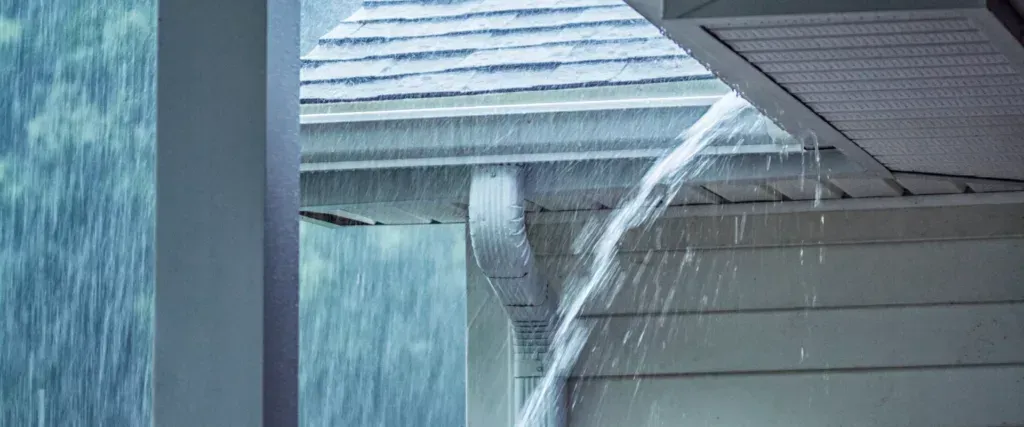
Homes in humid or rainy regions require siding materials resistant to water damage. Vinyl, fiber cement, and composite siding perform well in such conditions, whereas wood siding is prone to rot and mold if not properly maintained.
Durability in Extreme Temperatures
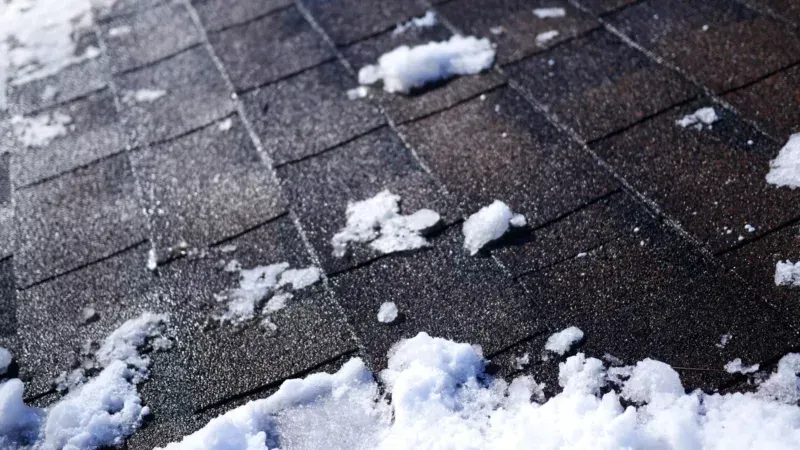
Regions with severe winters or scorching summers demand siding that can expand and contract without cracking. Insulated vinyl and fiber cement siding are excellent choices for areas with extreme temperature variations.
Wind and Storm Resistance
For homes located in hurricane-prone or high-wind areas, impact-resistant siding is crucial. Materials such as fiber cement and engineered wood are highly durable and can withstand strong winds and flying debris.
Choosing the Right Siding Material
Each siding material has unique characteristics that affect its longevity, appearance, and performance. Selecting the best option requires a balance between aesthetics, durability, and budget.
Vinyl Siding
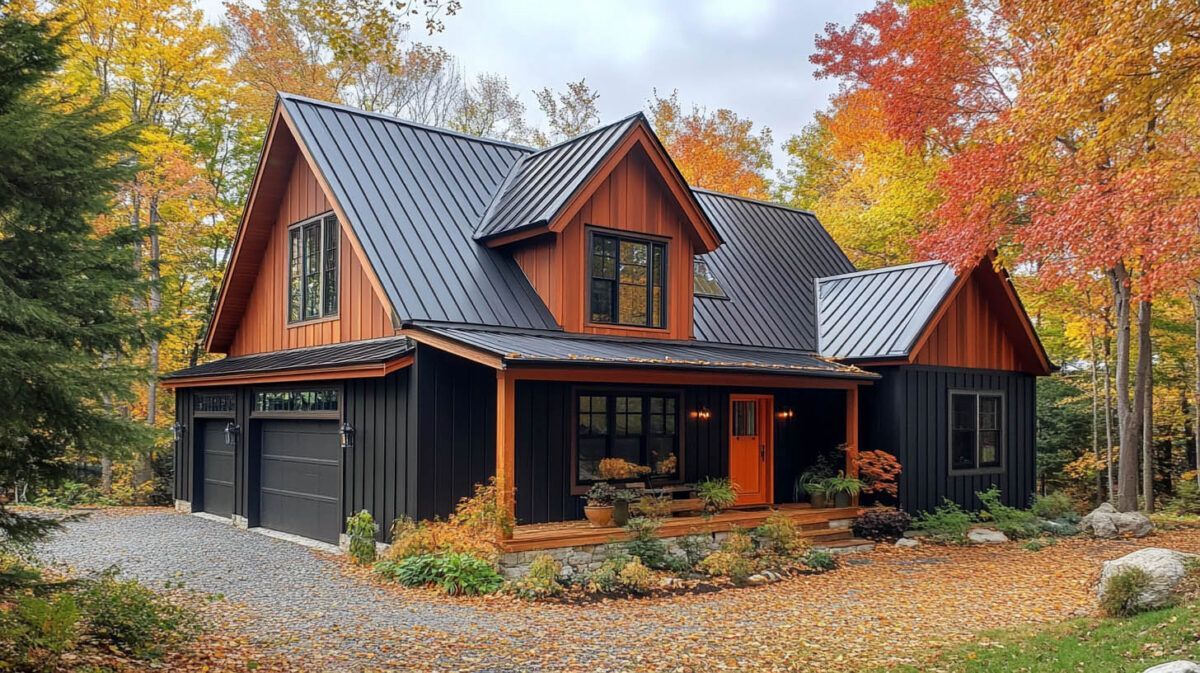
Vinyl siding is a widely preferred option for its cost-effectiveness and minimal upkeep. Available in numerous colors and styles, it resists moisture damage and needs only periodic cleaning. However, prolonged exposure to extreme cold can cause it to become brittle over time.
Fiber Cement Siding
Fiber cement siding is a blend of cement, sand, and cellulose fibers, offering superior durability and fire resistance. It mimics the appearance of wood while being resistant to pests, rot, and extreme weather conditions. However, it is heavier than other materials and requires professional installation.
Wood Siding
Wood siding provides a classic, natural aesthetic but requires frequent maintenance to prevent warping, rot, and insect infestations. Cedar and redwood are popular choices due to their natural resistance to decay.
Metal Siding
Metal siding, including aluminum and steel, offers excellent durability and fire resistance. It is particularly suitable for modern and industrial-style homes. However, it can dent easily and may require repainting over time.
Composite and Engineered Wood Siding
Engineered wood siding combines wood fibers and resin to create a durable and eco-friendly alternative to traditional wood. It is resistant to moisture, insects, and decay while maintaining a wood-like appearance.
Understanding Maintenance Requirements
The longevity and appearance of siding depend on proper upkeep. Some materials require frequent maintenance, while others remain low-maintenance for decades.
Low-Maintenance Options
Vinyl and metal siding require minimal upkeep, typically needing only periodic cleaning with a garden hose or pressure washer.
Moderate Maintenance Materials
Fiber cement and engineered wood siding require repainting or resealing every 10–15 years to maintain their appearance and durability.
High-Maintenance Choices
Wood siding demands frequent staining, sealing, and painting to prevent damage from moisture and pests.
Evaluating Energy Efficiency
Siding plays a significant role in a home’s insulation and energy consumption. Choosing energy-efficient siding can help reduce heating and cooling costs.
Insulated Siding
Insulated vinyl siding includes a built-in layer of foam insulation that enhances thermal performance, reducing heat loss in winter and heat gain in summer.
Reflective and Heat-Resistant Materials
Light-colored siding reflects sunlight, preventing excessive heat absorption. Metal and fiber cement siding offer excellent thermal resistance.
R-Value Considerations
The R-value of a siding material indicates its insulating properties. Higher R-values contribute to improved energy efficiency. Fiber cement and insulated vinyl siding typically provide better insulation than standard vinyl or metal siding.
Calculating Costs and Budget
Siding installation costs vary based on material choice, labor expenses, and additional factors such as insulation and trim work.
Material Costs
- Vinyl siding:
$3–$8 per square foot
- Fiber cement siding:
$5–$12 per square foot
- Wood siding: $8–$15 per square foot
- Metal siding:
$5–$10 per square foot
- Engineered wood siding: $6–$12 per square foot
Installation Expenses
Labor costs depend on the complexity of the installation. Professional installation ensures long-term durability and manufacturer warranty protection.
Long-Term Investment
While initial costs vary, durable siding materials with low maintenance needs offer better long-term value. Investing in high-quality siding reduces repair and replacement expenses over time.
Choosing a Qualified Siding Contractor
Professional installation ensures the best results, longevity, and warranty compliance. Working with an experienced contractor provides peace of mind and guarantees a high-quality finish.
180 Contractors Roofing & Siding, located in Rochester Hills, MI, is a trusted provider of siding installation services. The company holds prestigious industry certifications, including BBB A+ accreditation, Guildmaster (GuildQuality), INC 5000, Google Guaranteed, and recognition in the Qualified Remodeler Top 100 Satisfaction list. Partnering with leading brands such as James Hardie, Alside, and Everlast, they deliver top-tier siding solutions tailored to homeowners’ needs.
Frequently Asked Questions
1. How long does siding installation take?
Installation time varies based on the size of the home and siding material, but most projects are completed within one to two weeks.
2. Can I install new siding over existing siding?
In some cases, new siding can be installed over old siding, but it is generally recommended to remove the old material to inspect for underlying damage.
3. What is the best siding material for cold climates?
Fiber cement and insulated vinyl siding perform well in cold climates due to their durability and thermal resistance.
4. Does siding increase home value?
Yes, high-quality siding improves curb appeal and provides a strong return on investment by enhancing a home’s market value.
5. How do I maintain my new siding?
Regular cleaning, periodic inspections, and timely repairs help extend the lifespan of siding. Some materials, such as wood, require staining or painting every few years.
Conclusion
Choosing the right siding involves evaluating climate suitability, material durability, maintenance needs, energy efficiency, and budget. By carefully considering these factors, homeowners can select a siding option that enhances their home’s appearance, performance, and longevity.
Read also our blog:
How to Properly Prepare Your Home for Siding Installation