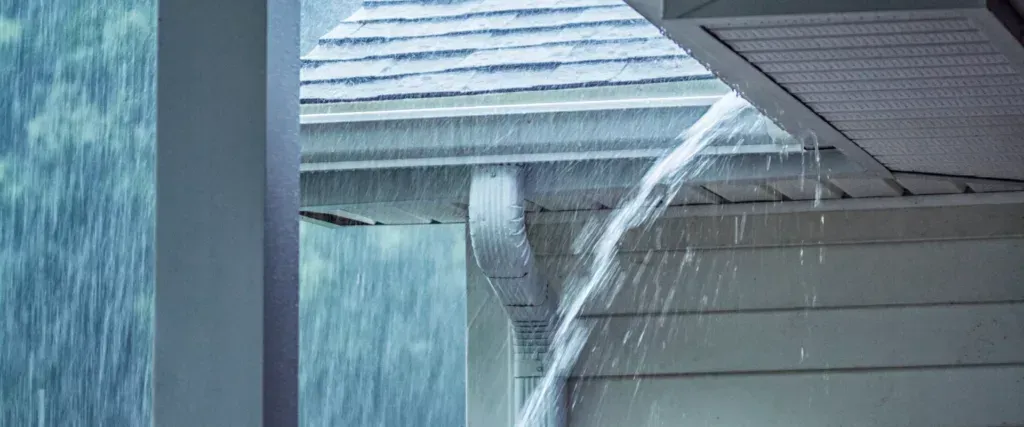
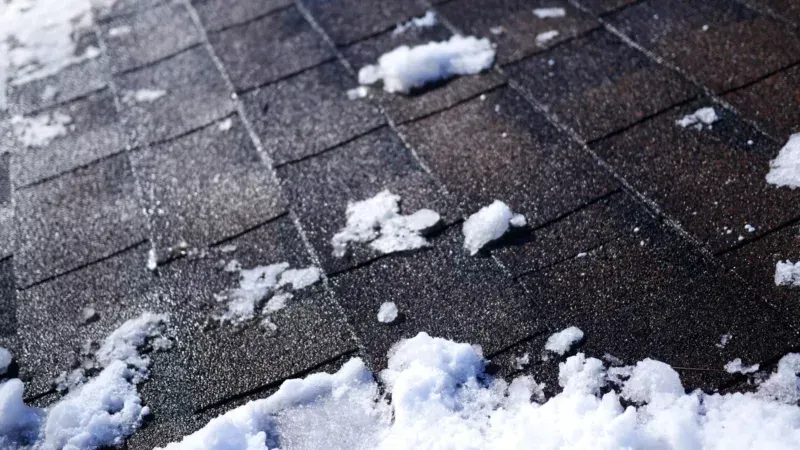
A small roof leak might not seem like a big deal—until it turns into stained ceilings, mold growth, or structural damage. In Troy, MI, where seasonal storms and shifting temperatures are common, even minor roofing issues can escalate quickly if left unattended. Homeowners often notice the damage on their ceilings first, long after water has already begun seeping through the roof.
At
180 Contractors Roofing & Siding, we’ve seen firsthand how quickly a leak can spiral into a costly problem. That’s why stopping roof leaks early is key to protecting not only your roof but also your ceiling, insulation, and overall home integrity. This blog outlines what causes leaks, how to spot early warning signs, and what you can do to prevent ceiling damage before it starts.
The Chain Reaction of a Roof Leak
When water infiltrates your roof, it doesn’t just stay there. Gravity pulls it downward, where it can pool in attic insulation, weaken drywall, and eventually show up on your ceiling as a dark stain or bubbling paint. By the time you see these visual cues, moisture may have already compromised joists, rafters, or electrical systems.
Leaks also invite mold growth, which thrives in dark, moist environments like attics. Once mold takes root, remediation becomes much more complex and expensive—not to mention a risk to your health.
What Causes Roof Leaks in Michigan Homes?
Several factors contribute to roof leaks, especially in climates like Michigan’s. These include:
- Aging shingles:
As shingles near the end of their life, they become brittle, curl, or lose granules—allowing water to seep through.
- Ice dams: In winter, melted snow can refreeze at roof edges, backing water under shingles.
- Flashing failure: Flashing around chimneys, vents, or skylights can loosen or corrode over time.
- Clogged gutters: If water can’t drain properly, it may back up and penetrate the roof’s edge.
- Storm damage:
High winds and hail can dislodge shingles or create punctures in the roofing membrane.
If your roof is more than 15–20 years old or has been through a recent storm, it’s especially important to keep an eye out for potential trouble.
Early Warning Signs of a Roof Leak
Catching a leak early often means the difference between a simple patch job and major ceiling repairs. Some early indicators include:
- Discoloration or water stains on your ceiling
- Peeling paint or bubbling drywall
- Musty odors in the attic or rooms below
- Dripping sounds during rainstorms
- Mold growing near ceiling corners or vents
Remember: the location of the ceiling damage doesn’t always match the leak’s entry point. Water can travel along beams or wires before dripping down into view.
Preventing Ceiling Damage with Regular Inspections
Prevention is always more affordable than repair. We recommend scheduling professional roof inspections at least once per year—preferably in the fall, before winter weather strikes. These inspections help identify damaged flashing, missing shingles, and ventilation issues that may otherwise go unnoticed.
Additionally, keep your gutters clean, trim nearby branches, and monitor your attic after major storms. Catching a leak while it’s still small gives you the chance to address it before it impacts your ceiling or structural components.
When to Call a Professional Roofer
Some leaks are obvious. Others require a trained eye and specialized tools, such as moisture meters or infrared cameras. A professional roofer can perform a comprehensive leak detection process and provide lasting repairs using high-quality materials.
If your home was recently hit by heavy rain, hail, or snow, or if you see any of the signs mentioned above, don’t wait—schedule a professional roof inspection immediately.
Choose the Right Materials to Prevent Future Leaks
One of the smartest ways to prevent ceiling damage is to choose durable, weather-resistant materials when installing or repairing your roof. At 180 Contractors Roofing & Siding, we recommend trusted brands like Owens Corning, which manufactures shingles designed to withstand Michigan’s harsh weather and resist moisture penetration.
Proper installation and high-quality underlayment also play a major role in keeping your roof leak-free for years to come.
Conclusion: Protect from the Top Down
Your ceiling is more than just an interior finish—it’s a shield protecting your family and your belongings. By identifying leaks early and addressing them with the right solutions, you can save yourself stress, money, and long-term damage.
Don’t wait until stains appear on your ceiling. Be proactive, stay informed, and partner with local experts who understand how to keep your roof in peak condition through Michigan’s changing seasons.
Read also our blog:
Residential Roof Care Tips for Surviving Michigan Winters