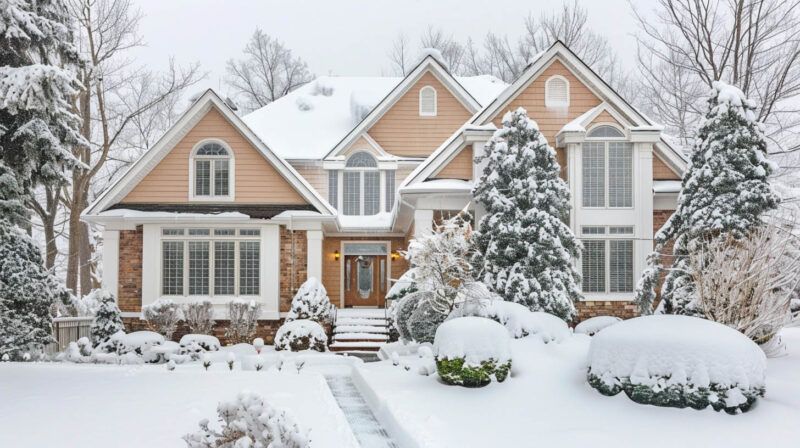
The winter months in Waterford, MI are no joke. Heavy snowfall, ice buildup, fluctuating temperatures, and high winds all take a toll on your home’s most critical defense: the roof. If you’re a Michigan homeowner, proper roof care during winter isn’t optional—it’s essential to preserving your home’s structure and avoiding costly repairs.
At
180 Contractors Roofing & Siding, we understand the unique challenges Michigan homeowners face each winter. With decades of experience handling everything from ice dams to winter storm damage, we’ve compiled the most important roof care tips to help you get through the season with confidence and peace of mind.
Why Winter Roof Care in Michigan Matters
Winter puts enormous stress on your roof. Snow is heavy, ice is invasive, and thaw-freeze cycles can break down even well-installed roofing systems. A small issue left unaddressed in the fall can evolve into a roof leak, attic damage, or even structural compromise by spring.
Your roof is constantly expanding and contracting with temperature shifts. Moisture tries to penetrate small cracks. If that moisture freezes, it widens those cracks. Without proactive care, the cumulative damage can shorten your roof’s lifespan significantly.
Clear Snow Accumulation Promptly (and Safely)
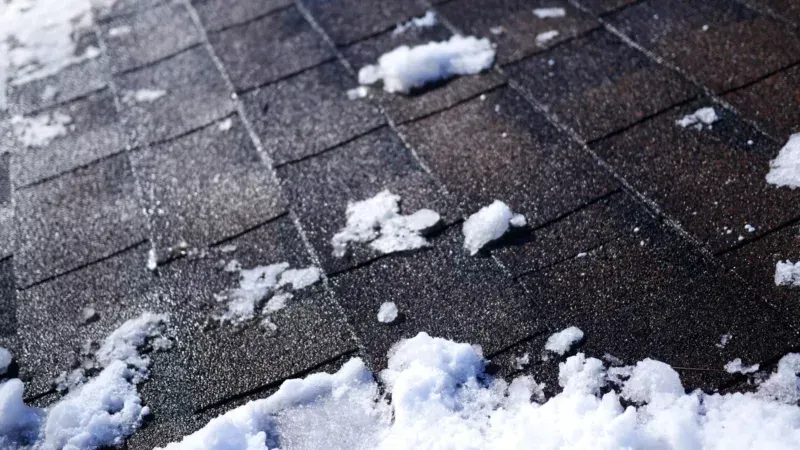
Snow may look soft and fluffy, but it’s incredibly heavy when it piles up. A foot of wet snow can weigh over 20 pounds per square foot. Excessive snow load adds stress to the roof structure, especially if it’s already aging or has hidden weaknesses.
Use a roof rake with a long extension handle to remove snow from the edges of your roof. Don’t climb up there—it’s dangerous in icy conditions. Focus on clearing areas near overhangs and valleys where ice dams are most likely to form.
Prevent Ice Dams Before They Start
Ice dams are one of the most damaging winter roof problems in Michigan. They form when heat from your attic melts snow on the roof. The water runs down and refreezes at the colder eaves, creating a dam that traps more water behind it. That water can back up under shingles and leak into your home.
To prevent ice dams:
- Ensure your attic is properly insulated to keep heat in your living space.
- Make sure attic ventilation is adequate to allow cold air to circulate.
- Seal off air leaks from the home into the attic to maintain a consistent roof temperature.
Inspect Attics and Ceilings Regularly
Sometimes, the first sign of roof trouble appears inside the house. Stains on ceilings, peeling paint, or musty odors in the attic can indicate a roof leak. Throughout the winter, make it a habit to inspect these areas monthly. Early detection is the key to avoiding major interior damage.
Keep Gutters Clear
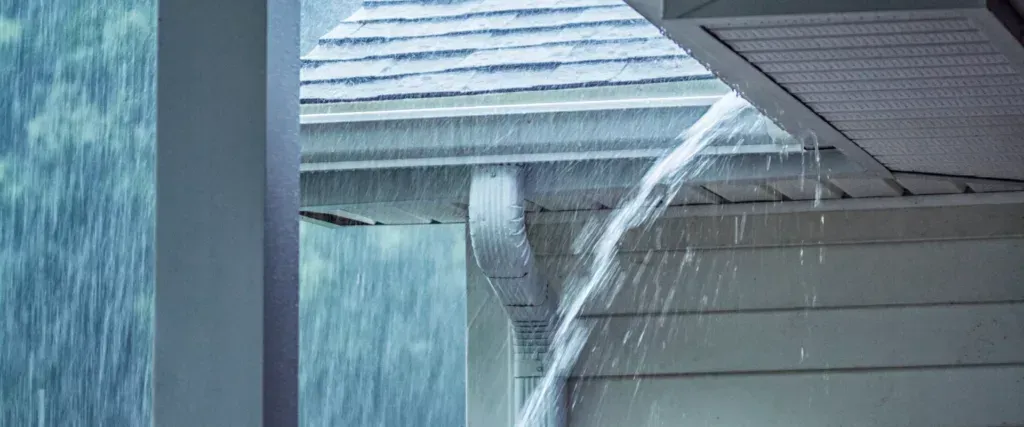
Clogged gutters are one of the top contributors to winter roof issues. When gutters are full of leaves or frozen solid, melting snow has nowhere to go. Water backs up under the shingles and seeps into the roof deck or fascia.
Before the first snowfall, clean out your gutters completely. During warmer winter spells, check that downspouts are free of blockages. Some homeowners choose to install heated gutter systems or guards for added protection.
Avoid Walking on Your Roof in Winter
It might seem like a good idea to inspect your roof after a storm, but winter is not the time to be up there. Shingles become brittle in the cold, and your footing becomes unstable on icy surfaces. If you suspect damage, call a professional instead. They’ll have the proper equipment and safety measures to do the job right.
Schedule a Mid-Winter Roof Checkup
While many people wait until spring to inspect their roof, a mid-winter inspection can prevent small issues from becoming major problems. A professional will assess shingle condition, flashing integrity, ventilation performance, and attic moisture levels. It’s a smart move to ensure everything is functioning as it should during the most demanding time of year.
Why Choose Owens Corning Roofing Systems
At 180 Contractors Roofing & Siding, we proudly install Owens Corning roofing products—known for their durability and advanced weather resistance. Their shingles are engineered for performance in harsh climates like Michigan, with impact resistance, high wind tolerance, and energy efficiency that keeps homes warm and protected through winter and beyond.
Michigan Winters Are Tough—But Your Roof Can Be Tougher
Staying ahead of winter weather doesn’t require expensive tools or a roofing degree. A proactive maintenance routine, the right materials, and trusted local expertise can help your roof survive even the harshest Michigan winter.
Make your roof a priority this season—your home (and your wallet) will thank you come spring.
Read also our blog:
How to Prep Your Roof for Wind and Storms This Fall