Wildlife may be a charming part of Michigan’s landscape, but when animals get too close to your home—especially your roof—they can cause serious damage. From chewed shingles to nesting in soffits, animal infestations can lead to costly repairs and compromised structural integrity. For homeowners in Bloomfield Hills, MI, protecting your roof from squirrels, raccoons, birds, and rodents should be a year-round priority.
At
180 Contractors Roofing & Siding, we regularly help clients recover from animal-related roof issues and implement prevention strategies that keep unwanted guests out for good.
Common Animals That Damage Roofs
The most frequent culprits in roof-related damage include:
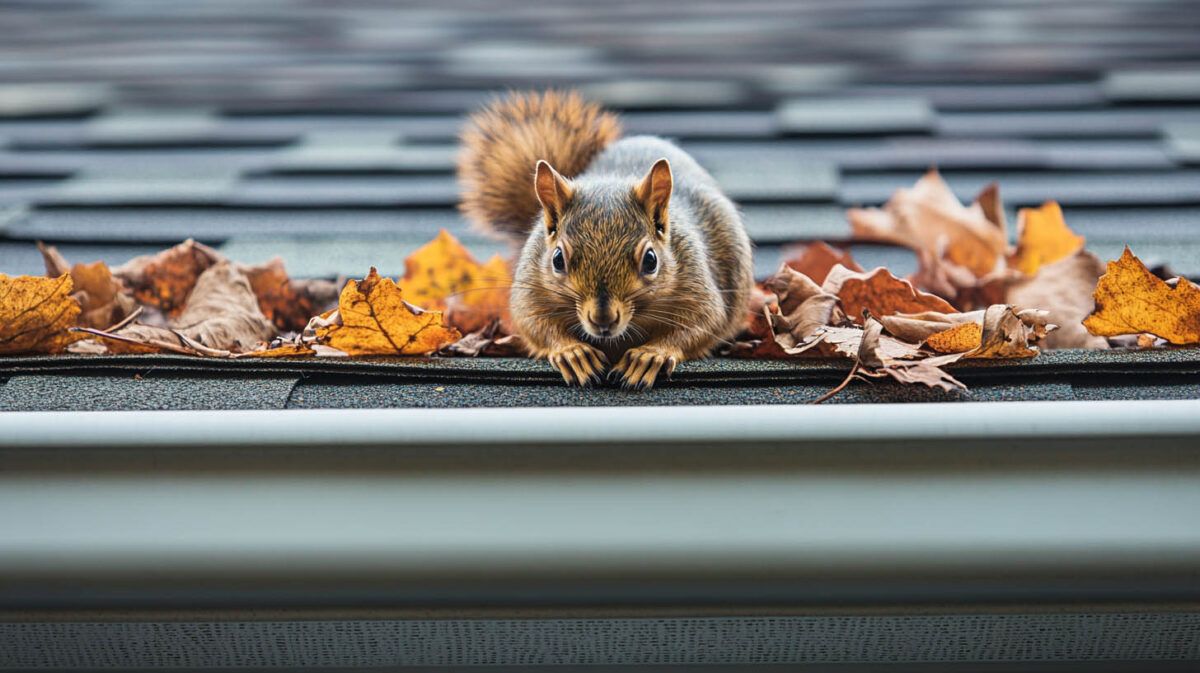
- Squirrels that chew through soffits or enter attic spaces through ventilation gaps
- Raccoons that pry up shingles and fascia boards to gain access
- Birds that nest in chimneys or gutters, clogging drainage and damaging shingles
- Mice and rats that squeeze into the attic via roof vents or damaged flashing
- Bats that enter through small holes and create health hazards from droppings
These animals don’t just affect the exterior; once inside, they can tear insulation, chew wiring, and contaminate living spaces.
Signs You Have a Roof Infestation
Recognizing the signs early can prevent larger issues:
- Scratching or scurrying noises in the attic
- Damaged or missing shingles near the roofline
- Animal droppings or nesting materials in the attic
- Daylight visible through roof vents or soffits
- Unusual odors or sudden drafts in the upper levels of the home
If you suspect activity, it’s crucial to investigate before the problem escalates—especially in colder months when animals seek warmth indoors.
Entry Points to Watch
In Bloomfield Hills, MI, freeze-thaw cycles and seasonal storms can create vulnerabilities in your roofing system that animals exploit. Key entry points include:
- Soffit and fascia gaps:
Particularly where different rooflines meet
- Chimneys:
Without caps, these act as wide-open invitations
- Roof vents:
Damaged or missing vent screens allow easy access
- Gutter lines:
Animals often follow these pathways to nesting spots under shingles
- Flashing and ridge caps:
Loosened flashing creates small openings over time
How to Prevent Animal Infestation
1. Regular Roof Inspections
Schedule inspections at least twice per year—especially before and after winter. A professional can identify weak spots or potential entry points that aren’t visible from the ground.
2. Install Chimney Caps and Vent Screens
High-quality metal chimney caps keep birds, bats, and squirrels out. Similarly, vent screens allow for airflow while blocking small animals from entering.
3. Maintain Soffits and Fascia Boards
Rotting wood and peeling paint signal weakness. Replace damaged sections with durable materials such as aluminum or vinyl to discourage entry. We recommend using strong products that align with brands like Owens Corning, which offer extended protection and material compatibility.
4. Clean Gutters and Trim Trees
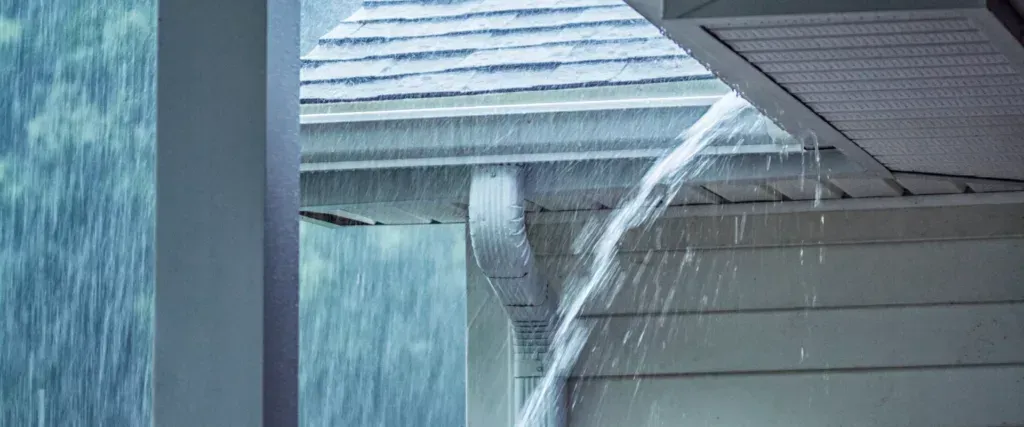
Clogged gutters create moist environments that attract pests, and overhanging branches act like bridges for squirrels and raccoons. Trim limbs at least 6–8 feet from your roof edge and keep gutters clear year-round.
5. Seal All Gaps and Cracks
Use weather-resistant caulk or metal flashing to seal gaps around pipes, skylights, and joints. A well-sealed roof is your first defense against invaders.
Repairing Animal Damage
If animals have already infiltrated your roof, the first step is to remove them humanely with professional help. Once the infestation is cleared:
- Replace damaged insulation and roofing materials
- Disinfect and deodorize affected areas
- Repair and reinforce entry points to prevent recurrence
Roofing experts can assess the full extent of the damage and restore the area to a safe, secure condition.
The Cost of Inaction
Ignoring signs of animal damage can lead to serious consequences:
- Mold and moisture from damaged insulation
- Fire hazards from chewed electrical wiring
- Structural weakening from persistent water intrusion
- Expensive re-roofing projects if infestations persist
Preventative care is far less costly than emergency repairs or a full roof replacement.
Final Thoughts
Protecting your roof from animal infestation is as much about maintenance as it is about smart design. In Bloomfield Hills, MI, where cold winters drive pests indoors, reinforcing your roof with proper materials, screening, and inspection routines is essential. A professional roofing team can help you identify vulnerable areas and implement solutions before animals turn your attic into their home.
Read also our blog:
Soffits and Fascia Boards: What They Are and Why You Need Them