Introduction
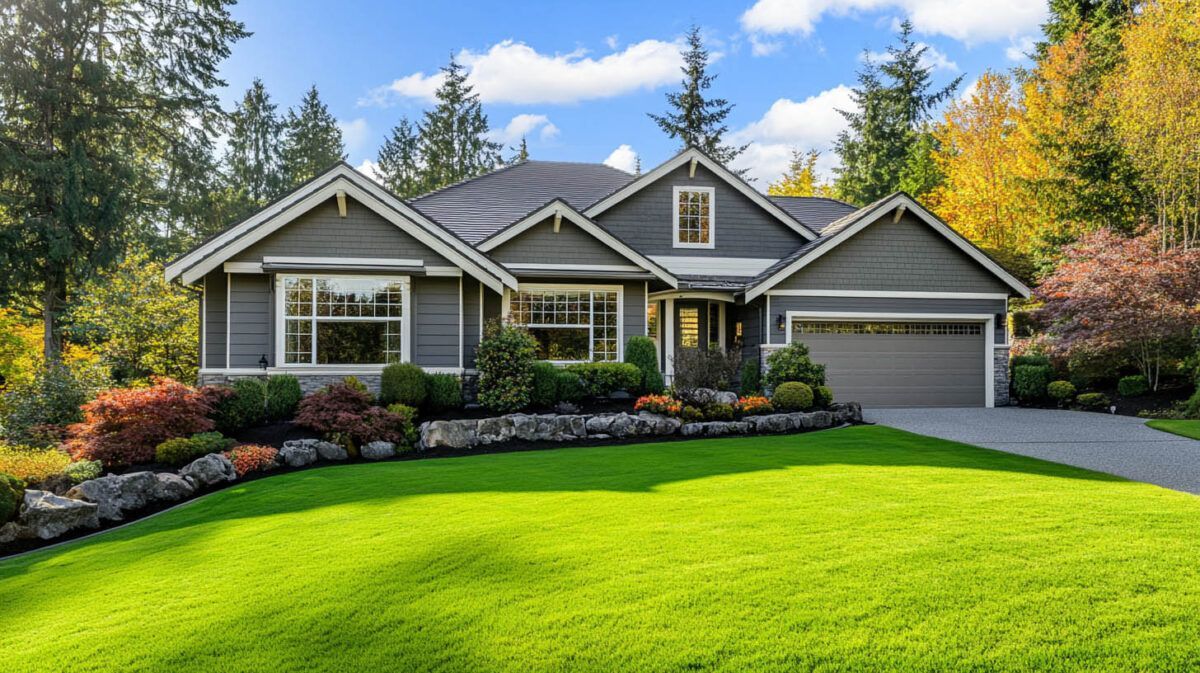
A home’s exterior serves as its first line of defense against the elements. Siding plays a crucial role in protecting the structure, improving energy efficiency, and maintaining indoor comfort. Without siding, a home is left vulnerable to weather-related damage, energy loss, and structural deterioration. Choosing high-quality siding ensures long-term savings, durability, and enhanced property value.
The Role of Siding in Home Efficiency
Insulation and Thermal Regulation
Siding contributes significantly to a home’s insulation by preventing heat transfer between the interior and exterior. Properly installed siding, especially insulated vinyl siding, creates a thermal envelope, reducing heat loss in the winter and preventing heat absorption in the summer. This lowers energy consumption and improves indoor comfort.
- Reduced Energy Costs: Insulated siding can lower heating and cooling expenses by up to 20%, according to the U.S. Department of Energy.
- Minimized Drafts and Air Leaks: Gaps and cracks in a home’s exterior allow air to escape, forcing HVAC systems to work harder. Siding helps seal these weak points.
- Consistent Indoor Temperatures:
Homes without siding experience frequent temperature fluctuations due to inadequate insulation.
Moisture Protection and Structural Integrity
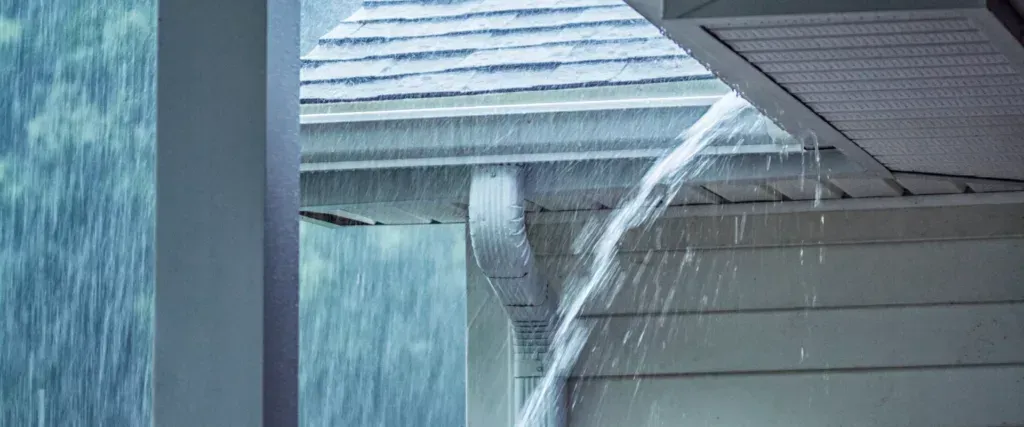
Siding serves as a protective barrier against moisture, preventing water infiltration that can lead to mold growth, rot, and weakened structural components.
- Prevents Water Damage:
Rain, snow, and humidity can penetrate unprotected walls, leading to wood decay, peeling paint, and mold infestations.
- Reduces Mold and Mildew Growth: Moist environments create ideal conditions for mold, which can compromise indoor air quality and cause health issues.
- Preserves Structural Strength: Long-term exposure to moisture weakens framing and drywall, making repairs costly and complex.
The Consequences of a Home Without Siding
Increased Energy Consumption
Without siding, a home lacks the necessary insulation to regulate temperature efficiently. This leads to higher energy bills as heating and cooling systems must compensate for heat loss and gain.
- Winter Heating Loss: Uninsulated walls allow cold air to seep in, increasing heating demand.
- Summer Cooling Challenges:
Sunlight directly impacts indoor temperatures, making air conditioners work harder.
Susceptibility to Weather Damage
Homes without siding are highly vulnerable to extreme weather conditions, including heavy rain, snow, wind, and UV exposure.
- Wind Damage: Strong winds can strip paint, cause cracks, and compromise exposed walls.
- Rain and Snow Penetration:
Without a protective barrier, water seeps into walls, leading to costly repairs.
- Sun Exposure:
UV rays degrade unprotected materials, causing fading, warping, and premature wear.
Reduced Property Value and Curb Appeal
A home without siding loses curb appeal and market value over time. Cracked paint, rotting wood, and exposed insulation create an unattractive and poorly maintained appearance.
- Lower Resale Value:
Homebuyers prioritize well-maintained exteriors, and siding enhances perceived value.
- Frequent Repairs:
Continuous repainting and patching become necessary, increasing long-term maintenance costs.
Why Vinyl Siding Is the Preferred Choice
Energy Efficiency and Insulation
Vinyl siding, particularly insulated varieties, enhances a home’s energy efficiency by reducing thermal bridging—the transfer of heat through building materials.
- Built-in Insulation:
Many vinyl siding options include foam backing that improves thermal resistance.
- Increased R-Value: A home’s R-value (insulation rating) significantly improves with insulated vinyl siding, reducing energy waste.
Durability and Weather Resistance
Vinyl siding is designed to withstand harsh weather conditions, including high winds, heavy rain, and extreme temperatures. Unlike wood, which requires frequent maintenance, vinyl remains durable with minimal upkeep.
- Impact Resistance: Modern vinyl siding can endure wind speeds up to 110 mph and resist minor impact damage.
- Moisture Protection: Unlike wood, vinyl does not absorb water, reducing the risk of rot and mold growth.
- Fade and UV Resistance:
Advanced coatings prevent color fading and UV degradation over time.
Cost-Effectiveness and Low Maintenance
Compared to wood or fiber cement siding, vinyl is more affordable to install and requires little maintenance.
- Lower Installation Costs:
Vinyl siding installation costs 30-50% less than wood or fiber cement alternatives.
- Minimal Upkeep:
Unlike wood, vinyl siding does not need painting, staining, or sealing. A simple wash with soap and water maintains its appearance.
- Long Lifespan: High-quality vinyl siding lasts 30-40 years, offering long-term savings.
Aesthetic Variety and Customization
Vinyl siding is available in a wide range of colors, textures, and finishes, allowing homeowners to customize their exterior without sacrificing durability.
- Wood-Grain Textures: Vinyl can replicate the look of traditional wood siding while maintaining superior resistance to the elements.
- Color Retention:
Factory-applied colors resist fading and require no repainting.
- Architectural Styles:
Available in horizontal, vertical, and shake designs, vinyl siding complements any home style.
Choosing the Right Siding Installation Professionals
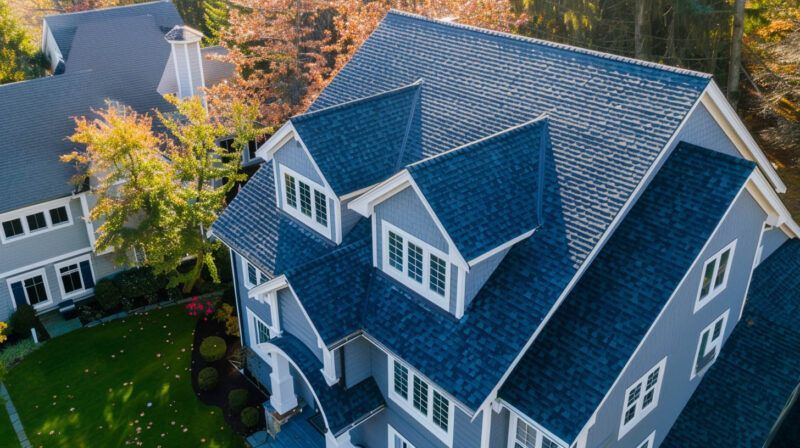
Proper installation is essential for maximizing the benefits of siding. Poorly installed siding can lead to gaps, warping, and reduced energy efficiency. Working with experienced professionals ensures proper alignment, insulation, and moisture protection.
At 180 Contractors Roofing & Siding, located in Waterford, MI, we specialize in energy-efficient siding installations that enhance home protection and comfort. As a BBB A+ accredited, Guildmaster-certified, INC 5000, and Google Guaranteed company, we deliver top-quality craftsmanship. We proudly work with industry-leading brands such as James Hardie, Alside, and Everlast, ensuring superior siding solutions that withstand the test of time.
Frequently Asked Questions
1. How much can siding reduce energy costs?
Insulated vinyl siding can cut heating and cooling costs by up to 20%, depending on climate and insulation quality.
2. Can siding prevent water damage?
Yes, properly installed siding acts as a protective barrier against rain, snow, and moisture, reducing the risk of mold and structural decay.
3. Does vinyl siding require maintenance?
Minimal maintenance is needed—occasional cleaning with soap and water keeps vinyl siding looking new for decades.
4. Is insulated siding worth the investment?
Yes, insulated siding enhances energy efficiency, reduces heating and cooling costs, and improves home comfort.
5. How long does vinyl siding last?
High-quality vinyl siding can last 30-40 years, making it one of the most durable and cost-effective exterior materials.
Conclusion
Siding is essential for maintaining a home’s efficiency, durability, and curb appeal. Homes without siding experience higher energy costs, structural risks, and reduced property value. Vinyl siding provides superior insulation, weather protection, and long-term savings, making it the ideal choice for homeowners looking to enhance their exterior. Investing in professional installation ensures lasting benefits and peace of mind for years to come.
Read also our blog:
Why Homeowners Are Replacing Wood Siding with Vinyl