Choosing the right siding for your home is a crucial decision that impacts curb appeal, durability, maintenance, and energy efficiency. With numerous siding materials available, selecting the best option requires understanding their benefits and drawbacks. Below, we explore the key factors to consider when making this long-term investment.
1. Evaluating Curb Appeal and Architectural Style
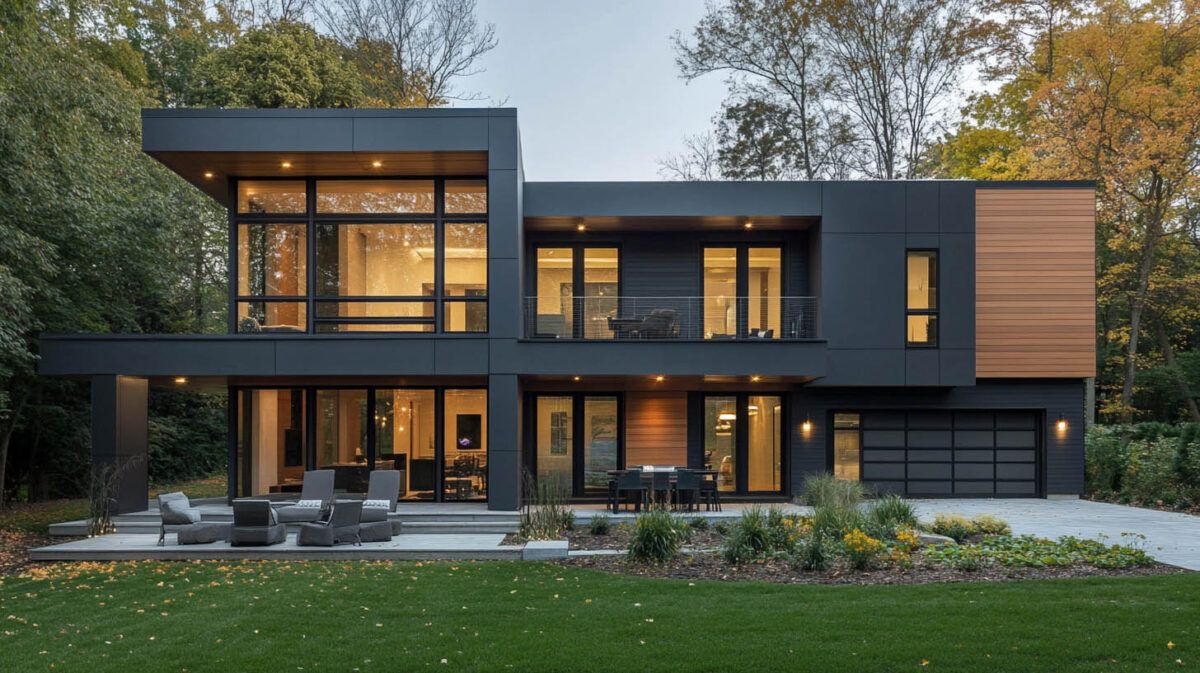
Siding significantly influences a home’s appearance, enhancing its design and increasing property value. Selecting the right siding material and color ensures the home retains a timeless and attractive aesthetic.
Material Choices for Visual Appeal
- Vinyl Siding – Affordable and available in various colors, but lacks the high-end appeal of premium materials.
- Wood Siding –
Provides a classic, warm look but requires frequent maintenance to prevent rot and insect damage.
- Brick and Stone Veneer – Highly durable and aesthetically appealing but costly to install.
- Fiber Cement Siding –
Mimics wood grain or smooth finishes while offering superior longevity and weather resistance.
- Metal Siding – Modern and sleek, often used in contemporary homes, but may dent easily.
Choosing the Right Color and Texture
- Light colors create a spacious, airy feel, while dark tones add richness and contrast.
- Textured finishes, such as simulated wood grain, enhance traditional homes, while smooth finishes suit modern designs.
- Pre-finished siding with baked-in colors prevents fading and reduces maintenance.
2. Durability and Weather Resistance
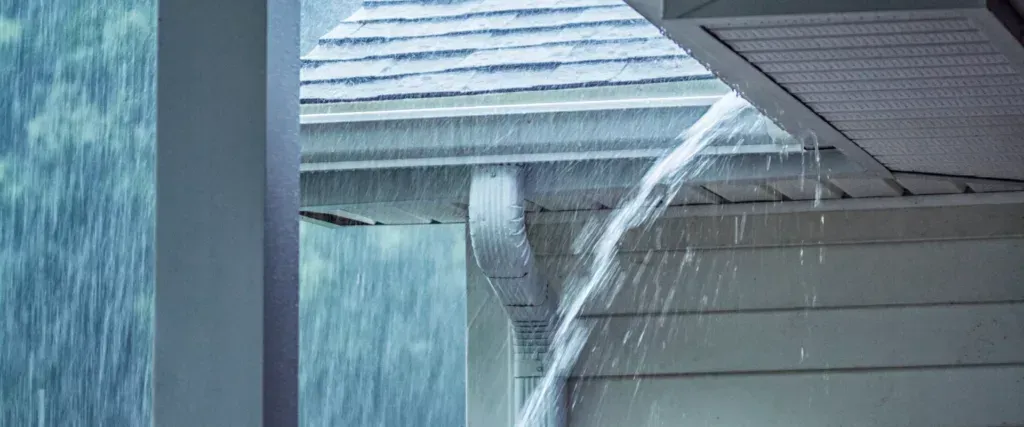
Siding must withstand environmental elements, including temperature fluctuations, humidity, storms, and UV exposure. Choosing a durable material ensures long-lasting protection and minimizes repair costs.
Material Lifespan and Strength
- Fiber Cement: Lasts 30-50 years and resists fire, moisture, and pests.
- Vinyl:
Provides 20-30 years of durability but may fade over time.
- Wood:
Can last 40+ years with regular staining and sealing.
- Brick and Stone Veneer:
Offers a lifespan of 50+ years with minimal maintenance.
- Metal:
Resistant to rot and insects but prone to dents and corrosion.
Climate Considerations
- Hot and Sunny Climates – UV-resistant fiber cement or light-colored siding prevents overheating and fading.
- Cold and Wet Regions – Moisture-resistant materials like fiber cement and brick prevent mold and decay.
- Storm-Prone Areas – Impact-resistant siding, such as fiber cement or engineered wood, withstands high winds and hail.
3. Energy Efficiency and Insulation
Siding plays a critical role in a home’s energy efficiency. Properly insulated siding reduces heating and cooling costs by preventing air leaks and improving thermal performance.
R-Value and Insulating Properties
The R-value measures insulation effectiveness. Higher R-values indicate better thermal resistance:
- Insulated Vinyl Siding:
Includes a foam backing that enhances energy efficiency.
- Fiber Cement:
Requires additional insulation for optimal performance.
- Wood Siding: Provides moderate insulation but needs extra weatherproofing.
Energy-Saving Features
- Reflective Coatings minimize heat absorption in warm climates.
- Tightly Sealed Installations prevent air leaks and drafts.
- House Wraps add an extra barrier against moisture and heat loss.
4. Maintenance Requirements and Longevity
Different siding materials require varying levels of maintenance to maintain their appearance and performance over time.
Low-Maintenance Options
- Fiber Cement:
Resists fading, pests, and rot; requires occasional cleaning.
- Vinyl: Does not need painting but may warp or crack over time.
- Brick and Stone: Highly durable with little upkeep required.
High-Maintenance Choices
- Wood:
Needs regular painting, staining, and pest control.
- Metal: May require repainting and rust prevention treatments.
Choosing a siding material that aligns with long-term maintenance preferences saves time and costs.
5. Fire and Pest Resistance
Fire resistance is essential for home safety, while pest-resistant materials prevent damage from termites, rodents, and woodpeckers.
Fire-Resistant Siding Options
- Fiber Cement: 100% non-combustible, providing the highest level of fire protection.
- Brick and Stone Veneer:
Naturally fireproof but requires proper mortar application.
- Metal Siding:
Fire-resistant but may weaken under extreme heat.
Pest-Resistant Materials
- Fiber Cement and Metal:
Impervious to termites, carpenter ants, and woodpeckers.
- Vinyl: Unattractive to pests but can develop gaps that allow insect infestations.
- Wood: Requires frequent inspections and treatment to prevent infestations.
6. Cost Considerations and Long-Term Value
Balancing initial investment with long-term value helps homeowners make informed financial decisions.
Upfront Costs vs. Long-Term Savings
- Vinyl Siding – Most budget-friendly but may require replacement sooner.
- Wood Siding – Moderate cost but demands regular maintenance.
- Brick and Stone – High initial cost but exceptional longevity.
- Fiber Cement –
Mid-range investment with long-lasting durability and low upkeep.
Resale Value and Return on Investment
- High-quality siding enhances curb appeal and increases home value.
- Fiber cement siding has one of the highest ROI rates, often recouping over 75% of installation costs in resale value.
7. Environmental Sustainability
Eco-conscious homeowners should consider siding materials that reduce environmental impact.
Sustainable Siding Choices
- Fiber Cement: Made from natural materials, reducing landfill waste.
- Wood: Biodegradable but requires reforestation efforts.
- Brick and Stone: Extremely durable, minimizing replacement waste.
- Vinyl: Often non-recyclable, contributing to landfill buildup.
Why Choose 180 Contractors Roofing & Siding?
For superior siding installation, 180 Contractors Roofing & Siding, located in Rochester Hills, MI, delivers expert craftsmanship with industry-leading materials. Our certifications include BBB A+ accreditation, Guildmaster (GuildQuality), INC 5000, Google Guaranteed, and Qualified Remodeler Top 100 Satisfaction. We work with premium brands like James Hardie, Alside, and Everlast, ensuring long-lasting quality and performance.
Frequently Asked Questions (FAQs)
1. What siding lasts the longest?
Brick, stone veneer, and fiber cement siding offer the longest lifespan, often exceeding 50 years.
2. How often does siding need to be replaced?
Most siding materials last between 20-50 years, depending on maintenance and environmental factors.
3. Does new siding improve home value?
Yes, high-quality siding enhances curb appeal and energy efficiency, increasing property resale value.
4. What is the best siding for extreme weather conditions?
Fiber cement and brick siding provide superior protection against harsh weather conditions, including storms and high humidity.
5. What siding requires the least maintenance?
Fiber cement and vinyl siding require minimal maintenance compared to wood and metal siding.
Conclusion
Selecting the best siding involves evaluating aesthetics, durability, energy efficiency, maintenance, fire and pest resistance, cost, and environmental impact. Investing in high-quality siding ensures long-term protection, value, and peace of mind. For expert guidance and professional installation, trust 180 Contractors Roofing & Siding to provide top-tier solutions tailored to your home.
Read also our blog: 4 Essential Factors to Consider When Choosing New Siding for Your Home