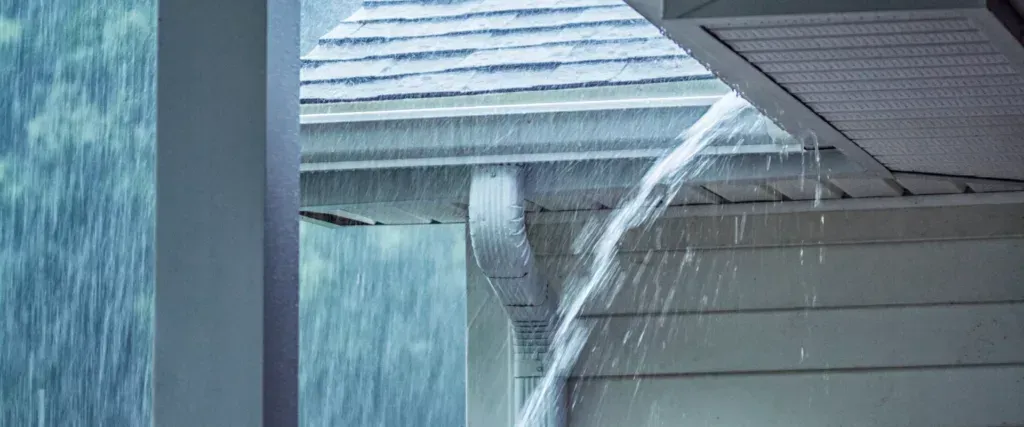
When a rainstorm hits Bloomfield Hills, MI and you suddenly notice water dripping from your ceiling or pooling in your attic, panic can set in. A leaking roof during a storm isn’t just inconvenient—it can cause major interior damage if not addressed quickly. While long-term solutions require professional repair, there are immediate steps you can take to mitigate the damage and protect your home.
At
180 Contractors Roofing & Siding, we help homeowners respond fast and smart when the weather turns against them. Here’s how to stop a roof leak during a rainstorm, minimize water damage, and prepare for permanent repairs.
Step 1: Contain the Water
As soon as you spot a leak, grab buckets, towels, or containers to catch the water and prevent it from spreading. If water is dripping through the ceiling, place a container underneath and consider using a tarp or plastic sheet to protect flooring and furniture.
Pro Tip:
Poke a small hole in bulging ceiling drywall to release trapped water. This prevents the ceiling from collapsing and helps direct water to one manageable spot.
Step 2: Identify the Leak’s Location
If safe, inspect your attic to pinpoint where the water is entering. Use a flashlight to check rafters, insulation, and the underside of the roof deck. Look for active drips, wet spots, and trails of water.
In Bloomfield Hills, MI, roof leaks during storms often come from:
- Damaged or missing shingles
- Clogged gutters causing water backup
- Flashing failures around chimneys or vents
- Ice dams or wind-driven rain pushing moisture under shingles
Step 3: Apply a Temporary Patch Inside
If the leak source is identifiable from the attic, you can apply a short-term patch:
- Use roofing tape or heavy-duty duct tape to seal the source temporarily.
- Place a tarp or heavy plastic over the area and secure it with wood planks.
This won’t solve the problem long-term, but it can stop the immediate drip until the storm passes.
Step 4: Cover the Roof Externally (If Safe)
If the rain subsides and you can safely access the roof, cover the damaged section with a tarp:
- Use a tarp that extends at least 3 feet past the damage in every direction.
- Secure it with 2x4s nailed or screwed down at the edges to keep wind from lifting it.
Important: Never climb a wet or steep roof during an active storm. If in doubt, wait and call a professional.
Step 5: Clear Your Gutters and Downspouts
Gutter clogs are a common cause of sudden leaks. If safe to do so, check your gutters for blockages. Removing debris can help water flow properly and reduce pooling on your roof.
Regular cleaning is essential, especially before the rainy season. In Bloomfield Hills, heavy rainfall and falling leaves make this a frequent concern.
Step 6: Schedule a Professional Inspection
Once the weather clears, contact a roofing professional immediately. A leaking roof often hides more extensive damage than what’s visible. The team at 180 Contractors Roofing & Siding can:
- Perform a detailed inspection
- Identify the root cause
- Recommend the right long-term fix
- Use high-quality materials like Owens Corning products for lasting protection
Long-Term Solutions for Leak Prevention
Temporary patches are only stopgaps. To prevent future leaks:
- Replace missing or damaged shingles promptly
- Reinforce roof flashing and seals
- Improve attic insulation and ventilation
- Schedule regular roof inspections
- Upgrade to weather-resistant roofing systems
Don’t Wait for the Next Storm
One leak is often a warning sign of broader roof vulnerability. Investing in proactive maintenance or roof replacement can save thousands in water damage and give you peace of mind through Michigan’s wild weather.
At 180 Contractors Roofing & Siding, we’re committed to helping Bloomfield Hills homeowners stay dry and protected—whether it’s a small patch or a complete roof overhaul.
Read also our blog:
What Is Roof Flashing and Why Does It Matter?