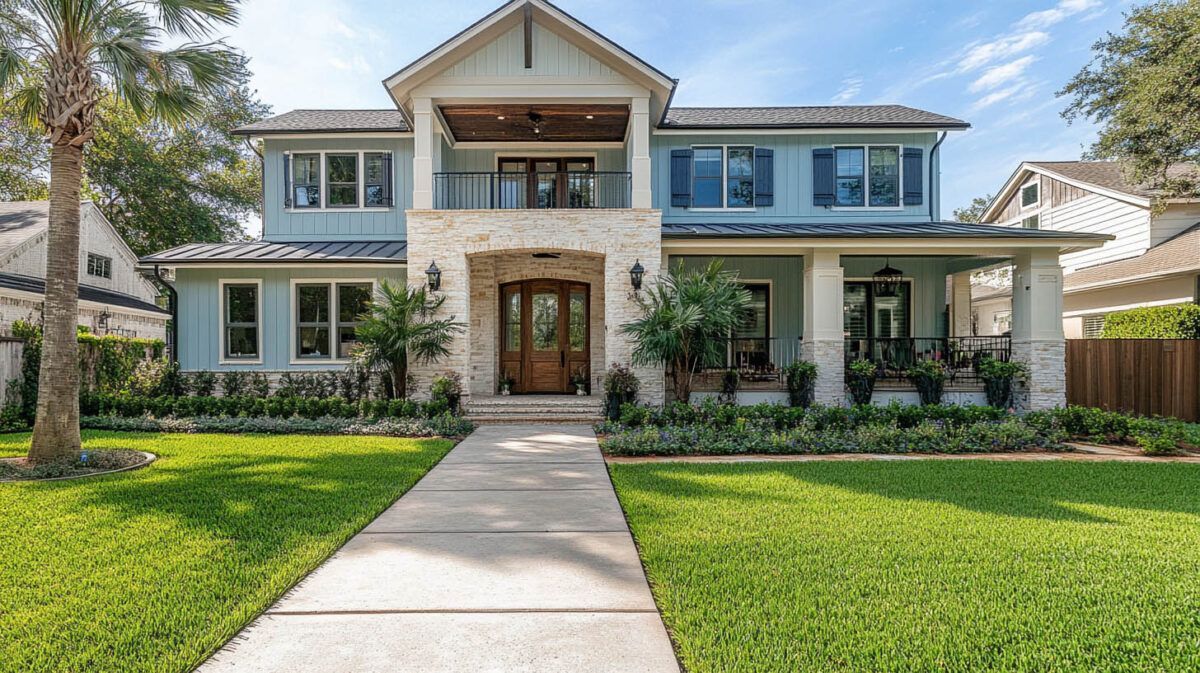
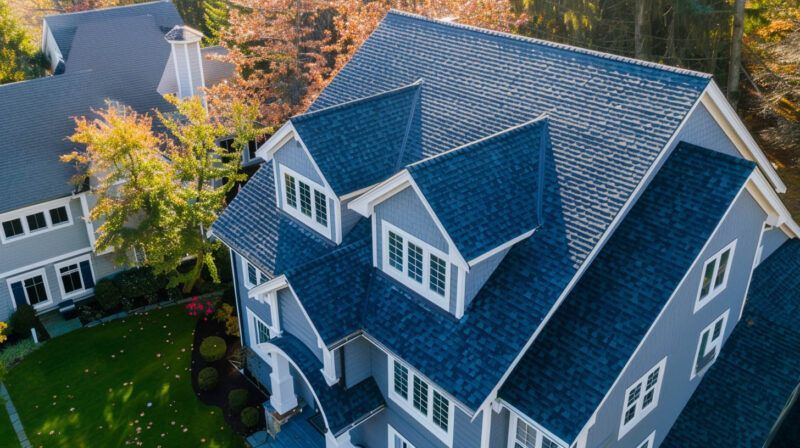
Siding is a crucial component of any home, providing both aesthetic appeal and protection from the elements. However, over
time, exposure to environmental factors can cause siding to fade, leading to a dull and worn-out appearance. Understanding the causes of fading and the best methods to restore your siding can help maintain the value and curb appeal of your home.
Causes of Siding Fading
Fading siding is a common issue caused by various factors, including sun exposure, moisture, and material quality. Identifying these causes can help homeowners take preventative measures and choose the best siding materials for long-term durability.
1. Ultraviolet (UV) Radiation
One of the primary reasons for siding fading is prolonged exposure to ultraviolet (UV) rays from the sun. These rays break down the chemical bonds in the pigment of the siding, causing colors to lighten or discolor unevenly over time. South- and west-facing walls typically experience the most sun damage.
2. Moisture and Water Damage
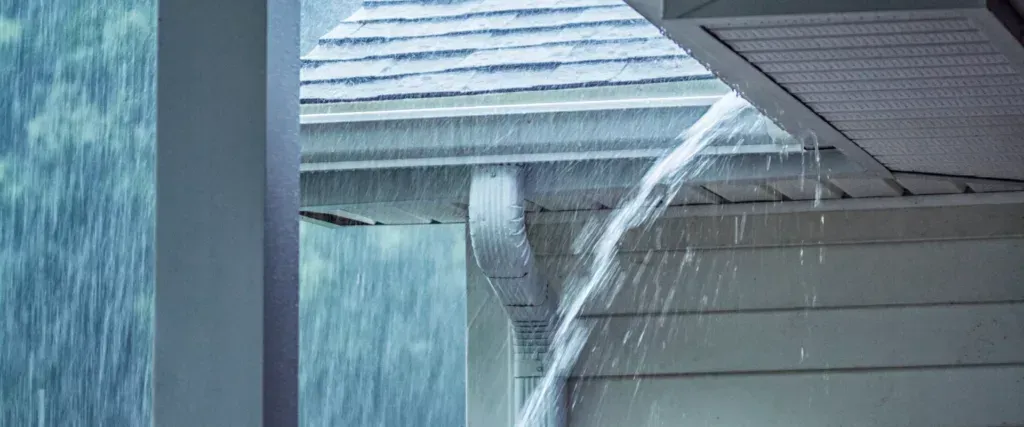
Excessive moisture can also lead to siding fading and deterioration. If siding is not properly sealed or maintained, water can penetrate the surface, leading to discoloration, mold growth, and even structural damage. Vinyl and wood siding are particularly vulnerable to moisture-related fading.
3. Low-Quality Siding Materials
Not all siding materials are created equal. Cheaper, lower-quality siding may lack protective coatings and UV-resistant properties, causing it to fade more quickly than premium options. Investing in high-quality materials with fade-resistant technology can significantly extend the lifespan of your siding’s appearance.
4. Pollution, Dirt, and Debris
Environmental pollutants, dust, and organic debris such as mold, mildew, and algae can build up on the siding, leading to discoloration and fading. Urban areas with high pollution levels are particularly susceptible to this type of wear.
5. Poor Maintenance and Cleaning Practices
Neglecting routine cleaning and maintenance can accelerate siding fading. Accumulated grime and mold can cause staining, while harsh cleaning chemicals can strip away protective coatings, making siding more vulnerable to UV damage.
How to Restore Faded Siding
If your siding has begun to fade, there are several restoration options available depending on the severity of the damage. Here are the best ways to bring back your siding’s original look and enhance its durability.
1. Deep Cleaning Your Siding
Regularly washing your siding can prevent dirt buildup and slow down the fading process. Follow these steps to clean your siding effectively:
- Use a garden hose or pressure washer: A low-pressure wash can remove dirt, mold, and mildew without damaging the material.
- Apply a mild cleaning solution: A mixture of water, dish soap, and white vinegar can help break down stubborn stains without causing discoloration.
- Scrub with a soft brush:
For tougher stains, gently scrubbing with a soft brush can restore the siding’s brightness.
2. Repainting or Re-staining Your Siding
For materials like wood and some types of vinyl, repainting or re-staining can refresh their appearance. When repainting your siding:
- Choose UV-resistant paint: High-quality exterior paint with built-in UV protection will help prevent future fading.
- Use proper preparation techniques: Clean and prime the surface before applying paint to ensure even coverage and longevity.
- Apply multiple coats: A second coat enhances color depth and durability.
3. Replacing Severely Faded Siding
If fading is severe or if your siding is beyond repair, replacement may be the best option. When choosing new siding, consider materials that are engineered to resist fading, such as fiber cement or high-performance vinyl.
Choosing Fade-Resistant Siding
For homeowners looking for a long-term solution to siding fading, investing in high-quality materials can make all the difference.
Best Fade-Resistant Siding Options
1. Fiber Cement Siding
Fiber cement siding is one of the most durable options available. It resists UV damage, moisture, and extreme weather conditions, making it an excellent choice for homeowners in all climates.
2. Vinyl Siding with UV Protection
Modern vinyl siding is now designed with UV-resistant coatings to prevent premature fading. Choosing a premium brand ensures longer-lasting color retention.
3. Engineered Wood Siding
Engineered wood siding provides the beauty of natural wood with enhanced resistance to fading, moisture damage, and warping.
Finding a Trusted Siding Contractor
Selecting a reputable contractor is essential for achieving a high-quality siding installation. 180 Contractors Roofing & Siding, located in Rochester Hills, MI, has built a strong reputation for delivering exceptional craftsmanship and customer satisfaction.
Our Certifications:
- BBB A+ Accredited:
A recognized standard for trust and quality.
- Guildmaster (GuildQuality): Awarded for outstanding service and customer feedback.
- INC 5000: Ranked among the fastest-growing companies.
- Google Guaranteed:
Verified for high-quality home improvement services.
- Qualified Remodeler Top 100 Satisfaction: Recognized for excellence in the industry.
Frequently Asked Questions
1. Can I prevent my siding from fading?
Yes. Choosing high-quality, fade-resistant materials, cleaning your siding regularly, and applying protective coatings can help minimize fading.
2. How often should I clean my siding?
It’s recommended to clean your siding at least once a year to remove dirt, mold, and debris that can cause discoloration.
3. What’s the best siding material for preventing fading?
Fiber cement siding and high-performance vinyl siding with UV protection are some of the best options for preventing fading over time.
4. Should I repaint my siding or replace it?
If your siding is structurally sound, repainting may be a cost-effective way to restore its appearance. However, if the fading is due to underlying damage, replacement might be the best option.
5. Does all vinyl siding fade over time?
Most vinyl siding will fade slightly over many years, but high-quality vinyl with UV-resistant technology will retain its color longer.
Conclusion
Faded siding can make a home look outdated and neglected, but with proper maintenance, cleaning, and high-quality materials, homeowners can keep their siding looking vibrant for years. If fading has already set in, options like repainting, deep cleaning, or siding replacement can restore curb appeal. Investing in fade-resistant siding materials and working with a trusted contractor ensures long-term beauty and durability.
Read also our blog:
The Ultimate Guide to Cleaning and Maintaining James Hardie Siding