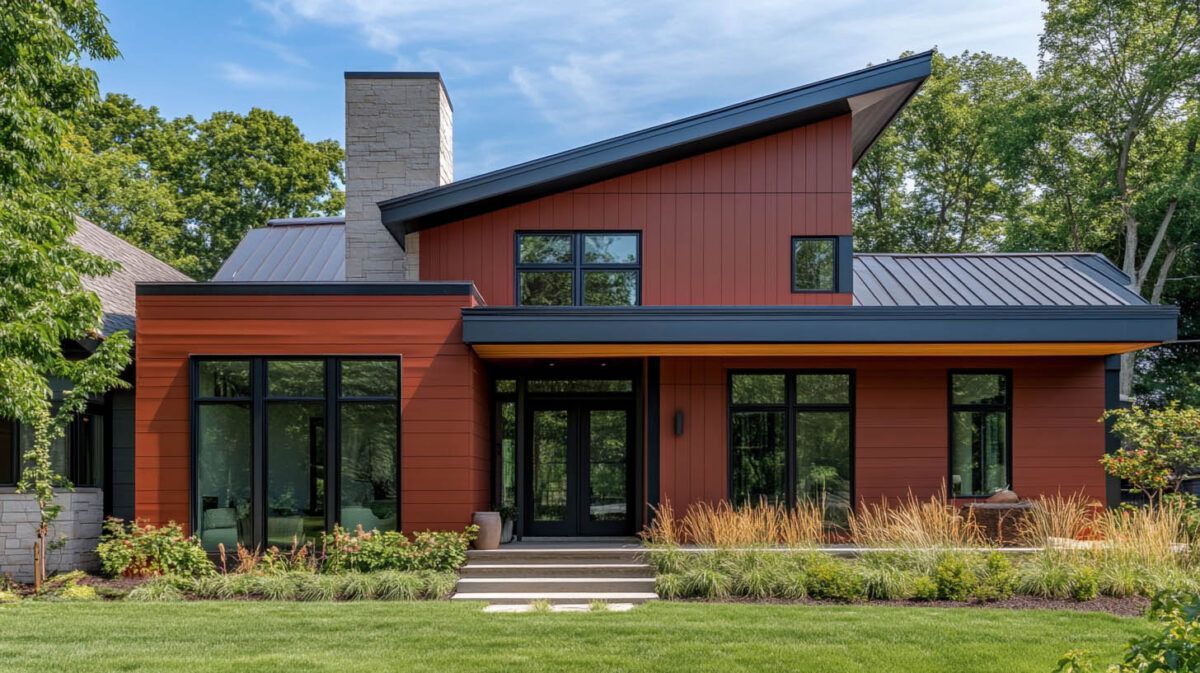
Compared to wood and vinyl, fiber cement siding offers superior fire protection, making it an excellent choice for homes in wildfire-prone areas or communities with strict fire safety codes.
How Fiber Cement Siding Improves Home Safety
Beyond its resistance to fire, fiber cement siding offers additional protective benefits:
- Slows Fire Spread:
In the event of a fire, fiber cement siding can act as a barrier, preventing flames from spreading quickly.
- Protects Structural Integrity:
Unlike vinyl, which can melt, fiber cement remains intact even under extreme heat.
- Gives Extra Time for Emergency Response:
Homes with fiber cement siding may experience less fire damage, allowing residents more time to evacuate safely and firefighters more time to contain the flames.
Installation Matters: Ensuring Maximum Fire Protection
To maximize the fire-resistant properties of fiber cement siding, proper installation is crucial. Some key factors include:
- Installing Over a Fire-Resistant Barrier: A water-resistant barrier (WRB) should be placed beneath the siding to enhance fire protection.
- Sealing Gaps Properly: Any gaps between siding panels should be sealed to prevent embers from entering.
- Using Approved Fasteners:
Secure siding with recommended nails or screws to ensure durability and fire resistance.
The Advantages of Fiber Cement Siding Beyond Fire Resistance
While fire resistance is a significant benefit, fiber cement siding offers a range of advantages:
Durability & Longevity
- Resistant to rot, pests, and moisture damage
- Withstands harsh weather conditions, including hurricanes and extreme cold
- Typically last 30–50 years with proper maintenance
Low Maintenance
- Does not require frequent painting or sealing
- Resists warping, cracking, and swelling
Aesthetic Appeal
- Available in a variety of styles and colors
- Can replicate the appearance of wood, stone, or stucco
Eco-Friendly Choice
- Made from sustainable materials
- Non-toxic and safe for residential use
Choosing the Right Fiber Cement Siding for Your Home
Several leading brands manufacture high-quality fiber cement siding, including:
- James Hardie:
The industry leader, offering products with advanced fire resistance and durability.
- Allura:
Known for its wide range of design options and superior moisture resistance.
- Nichiha:
Provides innovative siding solutions for both residential and commercial properties.
When selecting fiber cement siding, consider factors such as warranty coverage, thickness, and texture options.
Fiber Cement Siding: A Smart Investment for Homeowners
Investing in fiber cement siding can increase a home’s value due to its long lifespan, fire resistance, and curb appeal. Many insurance companies also offer lower premiums for homes with fiber cement siding due to its fire-resistant properties.
Partner with Experts for Professional Installation
When considering fiber cement siding, working with a certified contractor ensures quality installation. 180 Contractors Roofing & Siding, located in Rochester Hills, MI, specializes in installing high-performance siding solutions tailored to homeowners’ needs. With certifications such as BBB A+ accreditation, Guildmaster (GuildQuality), INC 5000, Google Guaranteed, and Qualified Remodeler Top 100 Satisfaction, our team delivers expert craftsmanship and reliable service. We partner with trusted brands like James Hardie, Alside, and Everlast to provide top-tier siding options.
Frequently Asked Questions
1. Is fiber cement siding completely fireproof?
No material is entirely fireproof, but fiber cement siding is highly fire-resistant and does not contribute to the spread of flames.
2. Does fiber cement siding require special maintenance for fire resistance?
No, fiber cement siding retains its fire resistance over time without additional treatments. Regular cleaning and repainting as needed will maintain its appearance and durability.
3. Can fiber cement siding be used in wildfire-prone areas?
Yes, fiber cement siding is an excellent choice for homes in wildfire-prone regions due to its non-combustible properties and Class A fire rating.
4. How does fiber cement compare to stucco for fire resistance?
Both materials have strong fire-resistant properties, but fiber cement siding is often easier to install and maintain than stucco.
5. What is the cost of fiber cement siding compared to other materials?
Fiber cement siding is more affordable than brick or stone but costs more than vinyl. However, its durability and low maintenance make it a cost-effective choice in the long run.
Conclusion
Fiber cement siding is one of the best choices for homeowners seeking a fire-resistant, durable, and low-maintenance exterior. With its Class A fire rating and superior protection, it outperforms traditional wood and vinyl siding in fire safety. Proper installation by experienced professionals ensures maximum performance, making it a valuable investment for any home.
Read also our blog:
Expert Tips for Cleaning and Maintaining Your Home’s Siding