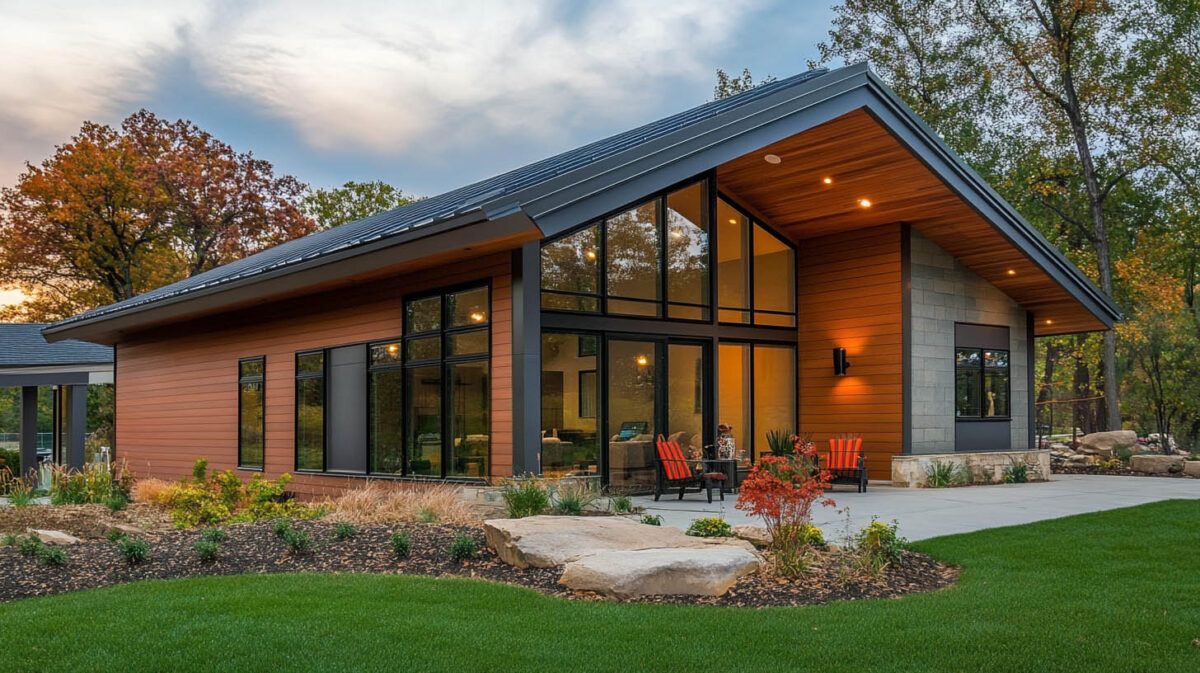
Understanding Fiber Cement Siding: Composition, Benefits, and Installation

180 Contractors • June 5, 2025

What is Fiber Cement Siding?

Fiber cement siding is a durable and versatile exterior cladding material used in residential and commercial construction. Composed of cement, sand, cellulose fibers, and water, it offers the aesthetic appeal of wood with the strength and longevity of masonry materials. It is widely recognized for its resistance to fire, pests, rot, and extreme weather conditions, making it a preferred choice for homeowners seeking long-term value and low maintenance.


The Composition of Fiber Cement Siding

The unique blend of materials in fiber cement siding provides it with superior performance and longevity. The primary components include:

  • Portland Cement: Acts as the binding agent, offering durability and resistance to moisture.
  • Cellulose Fibers: Reinforce the material, preventing cracking and enhancing flexibility.
  • Silica or Sand: Adds strength and contributes to the board’s overall rigidity.
  • Water: Initiates the curing process, binding the materials together.


Once mixed, these ingredients are molded into planks or panels and cured under high pressure to create a robust and long-lasting product.


Advantages of Fiber Cement Siding

1. Fire Resistance

Fiber cement siding is non-combustible and carries a Class A fire rating, the highest classification for building materials. Unlike wood, which is highly flammable, and vinyl, which melts under high temperatures, fiber cement does not ignite or contribute to fire spread.


2. Weather and Moisture Resistance

Fiber cement siding withstands extreme weather conditions, including heavy rain, high humidity, and temperature fluctuations. It is engineered to resist:

  • Swelling and warping due to moisture
  • Cracking from freeze-thaw cycles
  • Deterioration from prolonged sun exposure


3. Pest and Rot Resistance

Unlike wood siding, fiber cement is impervious to termites, carpenter ants, and other wood-destroying insects. Additionally, it does not rot or develop fungal growth, ensuring a longer lifespan with minimal maintenance.


4. Long Lifespan and Durability

Most fiber cement siding brands offer warranties ranging from 30 to 50 years. With proper care, the material can last several decades, making it a cost-effective investment.


5. Low Maintenance

Fiber cement siding requires significantly less upkeep compared to wood. It retains paint longer due to its non-porous nature, reducing the frequency of repainting. Routine cleaning with a hose and mild detergent is typically sufficient to maintain its appearance.


Fiber Cement Siding vs. Other Siding Materials

Siding Type Fire Resistance Durability Maintenance Lifespan Cost
Fiber Cement Class A (Non-combustible) High Low 30–50 years Moderate
Wood Highly flammable Moderate High 15–25 years High
Vinyl Melts under high heat Low Low 20–30 years Low
Brick Fireproof Very high Low 50+ years High

Fiber cement siding provides an ideal balance between durability, aesthetics, and cost-effectiveness. While brick and stone offer superior longevity, they are significantly more expensive and challenging to install.


Installation Process for Fiber Cement Siding

Proper installation is essential for maximizing the benefits of fiber cement siding. The process includes the following steps:


1. Surface Preparation

  • Remove existing siding if necessary.
  • Inspect and repair any damaged sheathing.
  • Install a water-resistant barrier (WRB) to prevent moisture infiltration.


2. Measuring and Cutting

  • Use specialized fiber cement shears or a carbide-tipped circular saw to cut panels.
  • Ensure precise measurements for seamless installation.


3. Fastening the Siding

  • Nail or screw the boards into place, maintaining an expansion gap.
  • Use corrosion-resistant fasteners to prevent rusting.


4. Sealing and Painting

  • Caulk all joints to prevent water penetration.
  • Apply a high-quality exterior paint if the siding is not pre-finished.


Choosing the Right Fiber Cement Siding for Your Home

Several manufacturers produce high-quality fiber cement siding, each offering unique features and benefits:

  • James Hardie: The industry leader, known for its HardieZone® system, which tailors siding to specific climate conditions.
  • Allura: Provides a wide range of textures and colors with enhanced durability.
  • Nichiha: Specializes in architectural wall panels for modern designs.


When selecting fiber cement siding, consider factors such as thickness, texture, factory-applied finishes, and warranty coverage.


Fiber Cement Siding: A Long-Term Investment

1. Increases Home Value

Due to its durability, fire resistance, and aesthetic appeal, fiber cement siding enhances property value. It is often listed as one of the top home improvement projects for return on investment (ROI).


2. Insurance Benefits

Many homeowners’ insurance providers offer discounts for homes with fiber cement siding due to its fire-resistant properties.


3. Eco-Friendly and Sustainable

Fiber cement siding is made from natural materials and is free from hazardous chemicals. Some brands incorporate recycled materials, making it an environmentally friendly option.


Professional Installation for Maximum Performance

To ensure optimal performance, fiber cement siding should be installed by experienced professionals. 180 Contractors Roofing & Siding, located in Waterford, MI, specializes in fiber cement siding installation. With certifications such as BBB A+ accreditation, Guildmaster (GuildQuality), INC 5000, Google Guaranteed, and Qualified Remodeler Top 100 Satisfaction, we provide expert craftsmanship and top-tier materials. We proudly work with leading brands like James Hardie, Alside, and Everlast to offer durable and aesthetically pleasing siding solutions.


Frequently Asked Questions

1. Is fiber cement siding more expensive than vinyl?

Yes, fiber cement siding has a higher initial cost than vinyl, but its durability and low maintenance make it a cost-effective choice in the long run.


2. Does fiber cement siding absorb water?

Fiber cement siding is moisture-resistant, but improper installation or lack of maintenance can lead to water infiltration over time. Proper sealing and caulking are essential.


3. How does fiber cement siding perform in cold climates?

Fiber cement siding is engineered to withstand freeze-thaw cycles, making it an excellent choice for colder regions.


Conclusion

Fiber cement siding is a superior choice for homeowners seeking durability, fire resistance, and aesthetic versatility. Its ability to withstand extreme weather, resist pests, and require minimal maintenance makes it an excellent long-term investment. With professional installation and proper care, fiber cement siding can enhance the beauty and protection of any home for decades.


Read also our blog: Is Fiber Cement Siding Fire Resistant? Everything You Need to Know

GET A FREE QUOTE

Share this article

Recent Posts

Aerial view of a large blue-gray house with dormer windows and a landscaped yard in autumn
By 180 Contractors May 14, 2026
Your roof works silently year after year, shielding your home from rain, wind, sun, and snow. But like every part of your home, it doesn’t last forever. The key is knowing when repair is no longer enough—and a full roof replacement is the smarter, safer move. For homeowners in Bloomfield Hills, MI, where intense season
Rainwater pouring from a house roof and gutter during a storm
By 180 Contractors April 13, 2026
Michigan weather can be tough on homes, especially when it comes to your roof. From heavy snow in the winter to strong thunderstorms in the summer, each season brings conditions that can wear down roofing materials over time. Knowing how these storms affect your roof can help you catch problems early and avoid more ser
Snow piled on a dark shingled roof, with scattered patches of snow across the surface.
By 180 Contractors March 3, 2026
If you’ve lived through a Michigan winter, you know your roof takes a beating. Between heavy snowfall, freezing rain, fluctuating temperatures, and strong winds, winter weather can quietly wear down even a well-built roofing system. By the time spring arrives, many homeowners are surprised to learn that damage has alre