Is It Possible to Repair Damaged Siding
Dealing with damaged siding? Don’t stress! Learning how to repair vinyl siding with a zip tool can help you avoid a lot of hassle and high costs. This easy guide will help you understand everything, from spotting damage to picking the right way to fix it. With some simple advice, you’ll make your home’s outer look great again soon! If you’re in Troy, MI and need professional help repairing damaged siding, consider reaching out to our company, 180 Contractors Roofing & Siding, which can also instruct you on how to work with the bottom lip of the siding.
Understanding Siding Damage and Its Impacts
Your home’s siding is the first shield against the weather. It keeps out rain, wind, snow, and pests. Over time, it can get worn out, causing different kinds of damage. It is important to spot these problems early. If you wait too long, they could lead to bigger and more expensive issues.
Also, damaged siding can weaken your home’s structure. It can make the outside look less attractive and waste energy. Now, let’s take a closer look at the common types of damage and what they can mean for your home.
Identifying Common Types of Damage
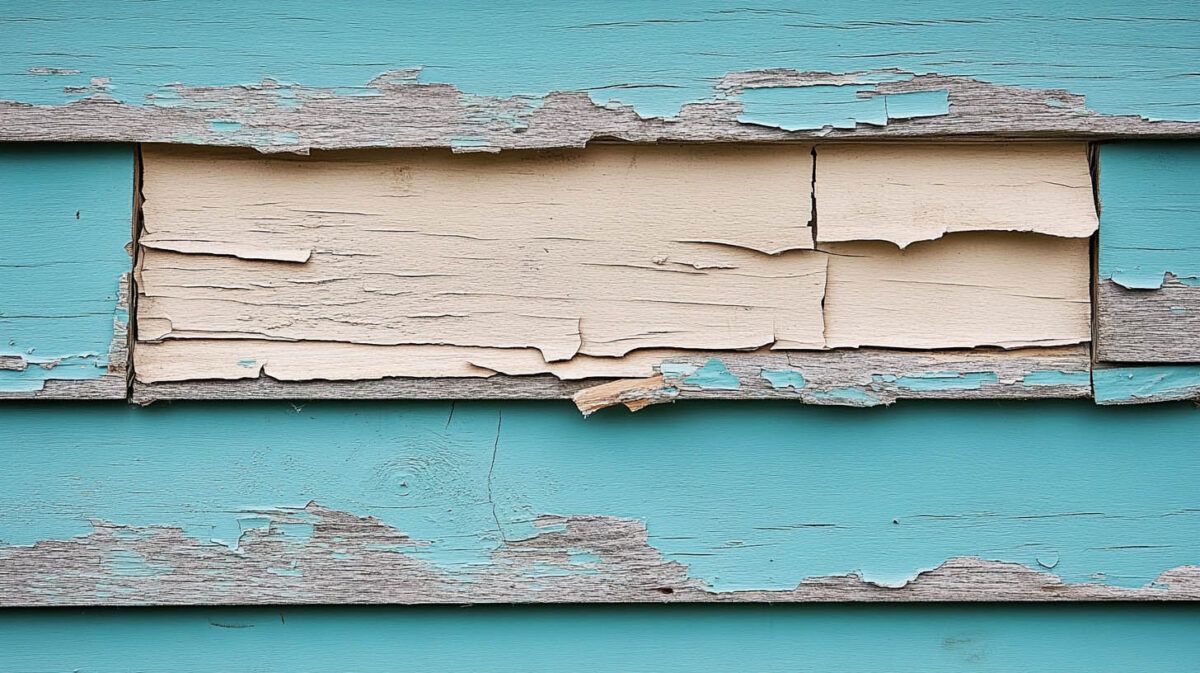
Damaged siding can manifest in various forms, each requiring specific repair techniques. Common types of damage include small cracks, broken panels, and water damage. Small cracks are often seen in vinyl siding and can be fixed with acrylic house paint or vinyl patch. Broken panels, such as a damaged panel, may call for the replacement of a single board or an entire section of siding. Water damage, if left unaddressed, can lead to extensive structural damage. Identifying these issues promptly is crucial to preventing further deterioration. Recognizing the type of damage is the first step towards effective repair and maintenance of your home’s siding.
The Consequences of Ignoring Damaged Siding
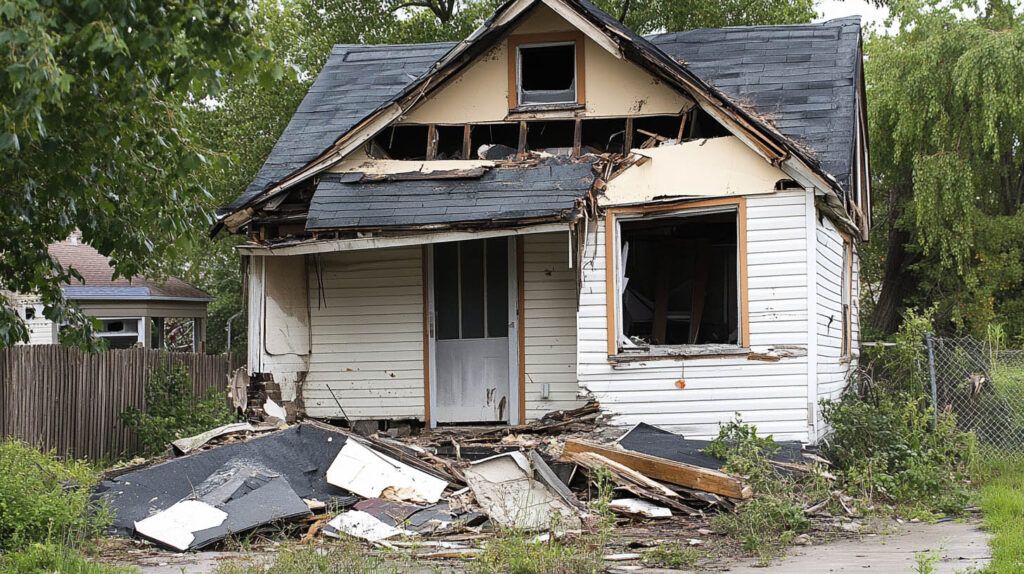
Ignoring damaged siding can have serious repercussions on your home. Overlooking issues like small cracks or broken panels can lead to more extensive damage, potentially impacting the structural integrity of your property. Water damage can seep into the walls, causing mold and mildew to grow, posing health risks to you and your family. By neglecting damaged siding, you may end up having to replace entire sections, incurring higher costs than if you had addressed the problem promptly. Additionally, damaged siding can affect the energy efficiency of your home, leading to increased utility bills. It’s crucial to address any signs of damaged siding promptly to avoid these detrimental consequences.
Best Practices for Assessing Damage
Before you fix damaged siding, it’s important to check how bad the damage is. A careful look will help you decide if you can do a simple fix yourself or if you need to hire a professional.
Make sure to keep safety first. If you feel uneasy working up high or handling risky materials, just reach out to a professional for help.
DIY Inspection Tips
Regularly inspect your siding for damage like cracks, gaps, or warping. Pay attention to areas near the roofline and foundation prone to water damage. Press gently on the siding to check for soft spots indicating decay. Look for discoloration, mold, or mildew as signs of underlying issues. Take immediate action if you notice any problems to prevent further damage. Early detection and prompt repairs can save time and money in the long run.

When to Call a Professional
If you encounter extensive damage such as structural damage, large sections of damaged siding, or difficulty in matching color and texture, it’s time to call in a professional. Professionals have the expertise to assess the severity of the damage and recommend the best course of action. They can efficiently handle the removal and replacement of panels, ensuring a seamless finish that matches the existing siding. Additionally, professionals are equipped with specialized tools and knowledge to address any underlying issues that may be causing the damage, ensuring a long-lasting solution. Don’t hesitate to seek professional help when the repairs exceed your DIY capabilities.
Step-by-Step Guide to Repairing Minor Damage
If you have looked at the damage and think you can fix it yourself, you can follow these simple steps to repair minor problems. Always check the manufacturer’s instructions for your type of siding.
Keep in mind that fixing your home’s siding can be a fun project. It saves you money and gives you the joy of solving the problem yourself!
Tools and Materials You Will Need
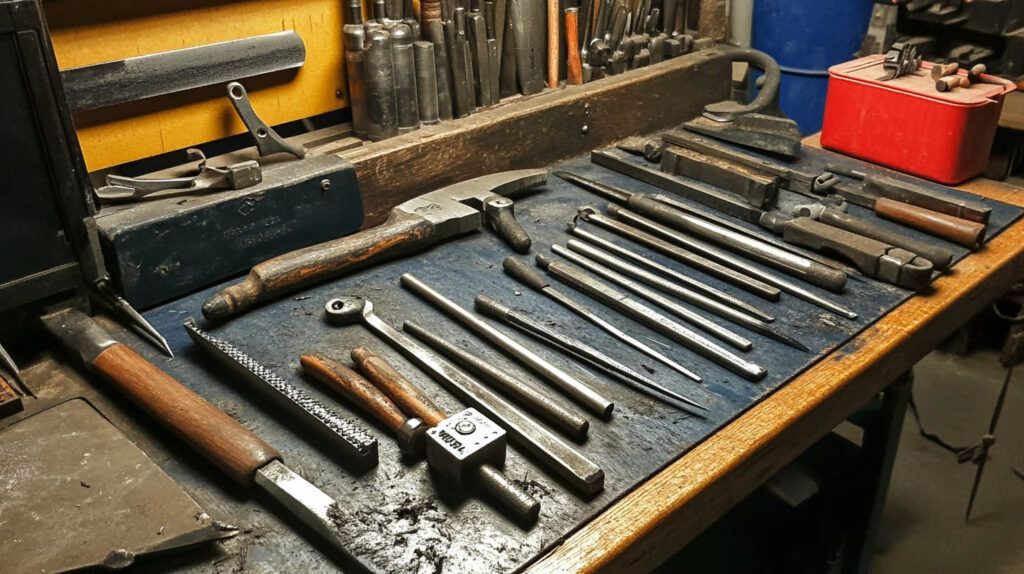
Before you start your vinyl repair project, gather all the tools and materials you need. Having everything ready will help things go smoothly. Here’s a list of common items you might need:
- Cutting Tools: Utility knife, tin snips
- Fastening Tools: Hammer, drill, pry bar
- Measuring and Marking Tools: Tape measure, pencil
- Surface Preparation Tools: Putty knife, sandpaper
- Safety Gear: Safety glasses, work gloves
Always remember to wear the right safety gear. Use safety glasses and work gloves when you are using tools and working with materials.
Repair Techniques for Minor Cracks and Holes
To fix minor cracks and holes in siding, clean the repair area first. Apply a vinyl siding patch or acrylic paint with a putty knife. For small cracks, painting can suffice. For holes, cut a piece of siding to fit using a utility knife and secure it with roofing nails. Lightly sand a small area around the damage to ensure a smooth finish. Match the color for a seamless look and consider wearing safety glasses. These simple steps will swiftly repair minor damages and preserve your home’s integrity.
Advanced Repair Techniques for Major Siding Damage
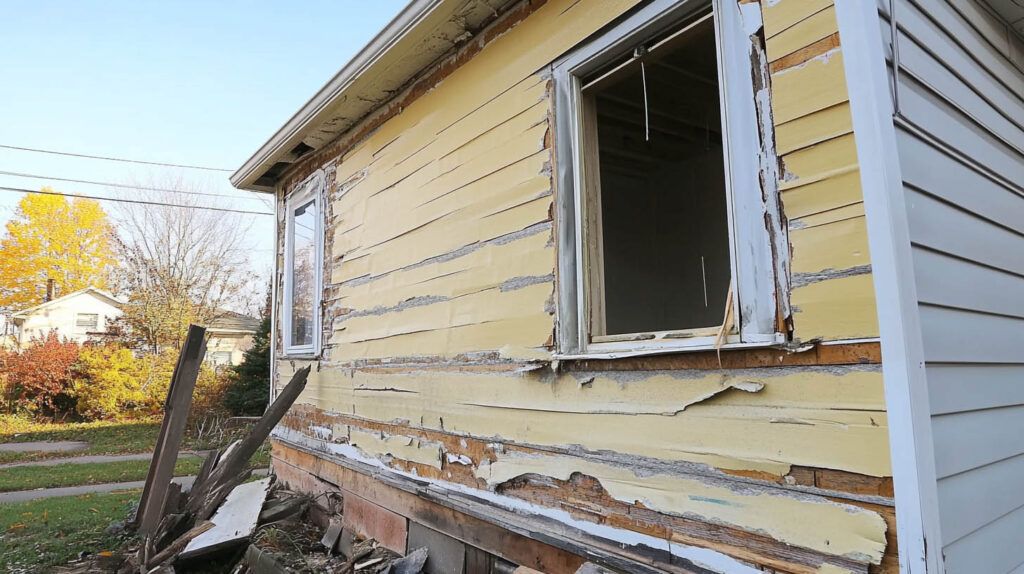
More serious damage, like big cracks, holes, or several damaged sections, usually means you need to replace whole pieces of siding, including the broken piece. This means taking out the damaged piece, checking for a row of nails, cutting a new one to fit, and putting it in the right way.
Before you start this repair, it’s important to understand the steps you need to take. Make sure to check your siding manufacturer’s instructions for specific help.
Removing and Replacing Damaged Siding Sections
Replacing a damaged section of siding may seem challenging, but with the right tools and steps, it can be done easily:
- Remove the Damaged Section: Use a pry bar and hammer to detach the damaged part by freeing it along the edges. Remove any nails by lifting their heads with the pry bar.
- Cut the Replacement Piece: Measure the size of the damaged area and cut a new piece of siding to match. Ensure it slightly overlaps other pieces using tin snips or a utility knife.
- Install the New Siding:
Align the new section with existing panels and secure it using roofing nails. Ensure nails are straight and flush with the siding.
Matching New Siding with Existing Panels
Finding the right siding match for your old house can be challenging. Here are some tips:
- Check for Leftover Siding: Look in storage areas for any remaining siding, though colors may have faded.
- Visit a Supplier or Paint Store: Seek help for a close match or custom color.
- Strategic Replacement: Replace less visible panels with older ones to blend new sections seamlessly.
Preventative Measures
After you fix or change your damaged siding, it’s important to protect it from future harm. Keeping up with regular care helps your siding look good and lasts longer. This can save you time, money, and stress later.
Always keep in mind that taking care of your siding before problems arise is cheaper than dealing with major repairs or a full replacement. If you make these simple tasks part of your home care plan, your siding will stay looking nice for many years.
Regular Maintenance Tips
- Clean your siding annually with a soft brush, mild soap, and water to remove dirt and debris. Avoid harsh chemicals.
- Regularly inspect for damage like cracks, holes, or pests, especially near windows, doors, and the bottom edge.
- Trim overhanging branches to prevent scratching and moisture buildup on your siding.
Choosing the Right Materials for Longevity
Choosing the right siding for your home is crucial for its durability and maintenance. Consider your local weather, required upkeep, and budget to make an informed decision.
- Explore Siding Options: Research various types such as vinyl, fiber cement, wood, or brick to understand their longevity, maintenance needs, and cost.
- Opt for Quality: Investing in reputable brands known for durability and good warranties, especially with vinyl panels, ensures long-lasting results.
- Follow Guidelines: Adhere to the manufacturer’s instructions during installation and maintenance to maximize the siding’s lifespan.
Connect With Us
Keeping your home’s siding in good shape is important for its protection and looks. It helps to know the common types of damage. If you are unsure about how bad the damage is or need help with repairs, ask professionals for advice and estimates. Your home’s outside deserves the best care. If you are looking for expert repair and installation services in Troy, MI, consider contacting our company 180 Contractors Roofing & Siding. Additionally, our company has received several prestigious awards and recognitions, including being BBB A+ accredited, Guildmaster (Guildquality), INC 5000, Google Guaranteed, and being listed in the Qualified Remodeler top 100 for customer satisfaction.
Frequently Asked Questions
Can you repair damaged siding?
When it comes to damaged siding, repair is often possible. Identifying the types of siding and the type of damage and its consequences is crucial. DIY inspections help, but for major issues, professional intervention might be necessary.
How do you repair siding without replacing it?
Inspect the damaged siding for cracks, rot, or warping. Use a pressure washer to clean the surface. Fill in cracks with caulk and repaint if needed. For major damage, consider patching or reinforcing the affected area.
Learn more about
how siding or the lack of siding affects the efficiency of your home.
GET A FREE QUOTE
We will get back to you as soon as possible.
Please try again later.
Recent Posts