Siding vs. No Siding: How It Affects Your Home’s Efficiency
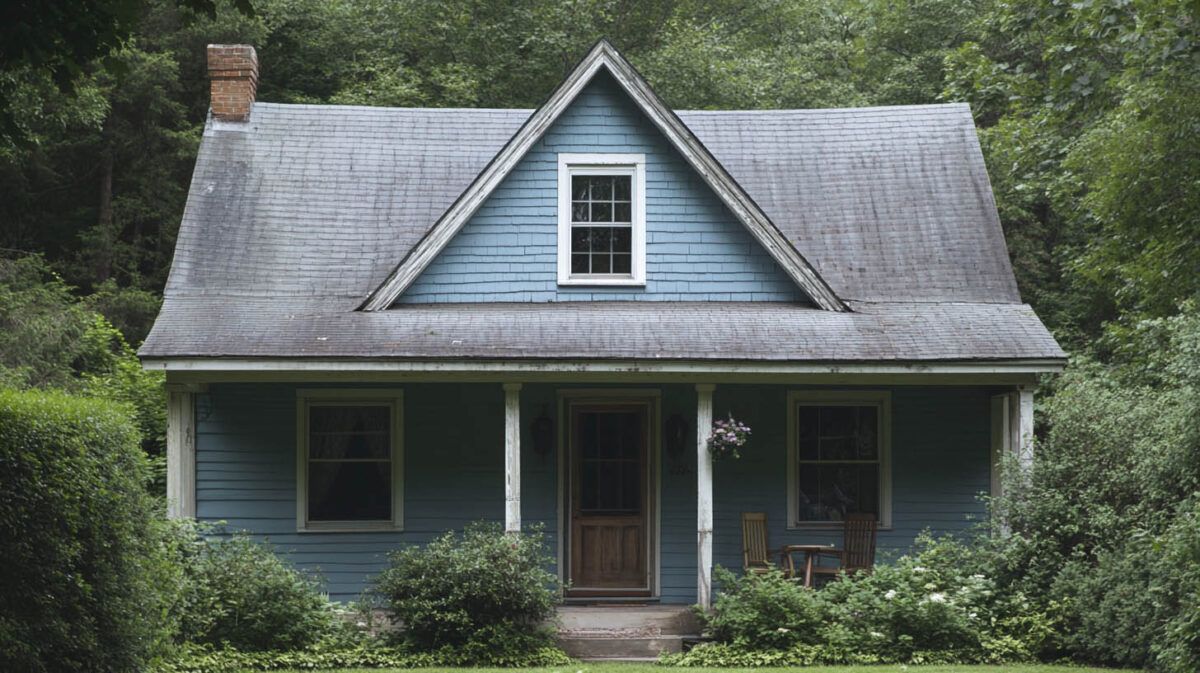
A well-maintained roof and siding are essential for protecting your home from weather damage, improving energy efficiency, and maintaining curb appeal. Over time, these components wear down, leading to problems that can affect your home’s safety and value. Knowing when to replace your roof and siding can prevent costly repairs and structural damage.
Cracks, Warping, and Rot in Siding
Visible cracks, warping, or rot in your siding indicate that it has deteriorated beyond repair. These signs suggest that moisture has seeped into the material, leading to mold growth, structural weakening, and potential pest infestations. Left untreated, damaged siding can compromise your home’s insulation and increase energy costs.
Common Causes of Siding Damage:
- Moisture infiltration: Rain and snow can penetrate cracks, leading to decay.
- Sun exposure: UV rays cause fading and brittleness over time.
- Pest infestation: Termites and other insects can burrow into weakened siding.
Replacing old siding with durable, modern materials such as fiber cement or insulated vinyl ensures long-term protection and improved energy efficiency.
Fading Color and Diminished Curb Appeal
Siding that has lost its original color and vibrancy isn’t just an aesthetic issue—it often signals material deterioration. Faded siding suggests that its weatherproofing properties have weakened, leaving your home vulnerable to the elements.
Benefits of New Siding:
- Enhances curb appeal and increases home value.
- Improves insulation and energy efficiency.
- Provides better protection against moisture and pests.
Investing in high-quality siding materials ensures longevity and reduces the need for frequent maintenance.
Rising Energy Bills and Poor Insulation
If your heating and cooling costs have risen unexpectedly, your home’s exterior may no longer be insulating efficiently. A failing roof and worn-out siding allow air leaks, forcing your HVAC system to work harder.
Signs Your Home is Losing Energy Efficiency:
- Uneven indoor temperatures: Some rooms feel warmer or colder than others.
- Drafts near windows and walls: Air leaks signal poor insulation.
- Excessive HVAC usage: A struggling heating or cooling system increases energy costs.
Replacing your roof and siding with energy-efficient materials such as insulated vinyl siding and reflective roofing shingles can lower utility bills and enhance indoor comfort.
Roof Leaks and Water Damage
Water stains on ceilings or walls indicate that your roof is no longer providing adequate protection. Leaks can lead to mold growth, wood rot, and structural damage, which can become costly if left unaddressed.
Common Causes of Roof Leaks:
- Cracked or missing shingles: Exposure to wind, rain, and sun causes deterioration.
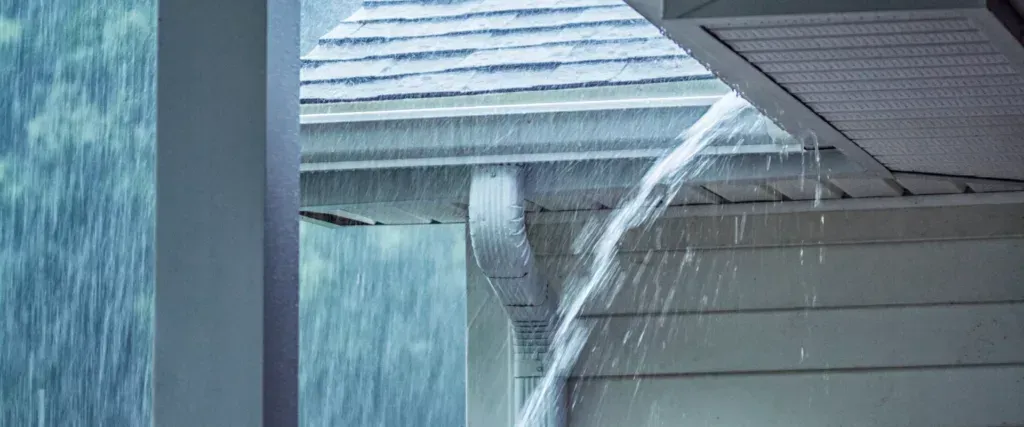
- Clogged gutters: Water buildup can seep under roofing materials.
- Improper flashing installation: Weak seals around chimneys and vents allow leaks.
If your roof has frequent leaks or shows extensive water damage, a full replacement may be necessary to prevent further issues.
Missing, Curling, or Cracked Shingles
Damaged shingles are one of the most obvious signs of a deteriorating roof. Missing, curled, or cracked shingles leave your home exposed to moisture and wind damage.
Why Shingles Deteriorate:
- Aging materials: Asphalt shingles typically last 20–30 years.
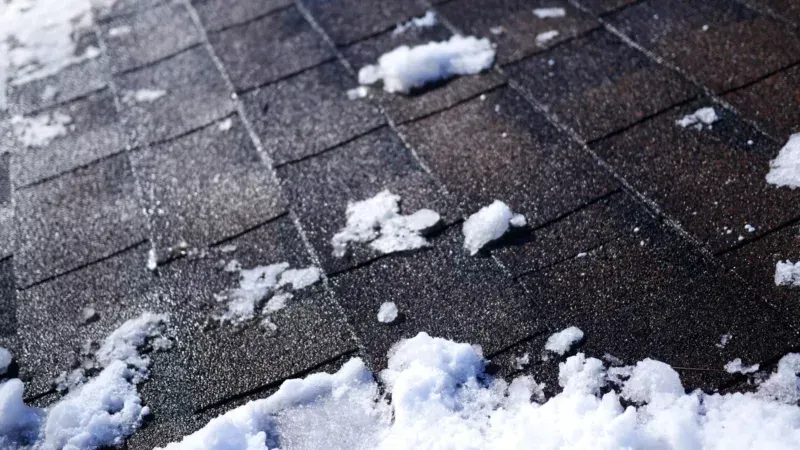
- Extreme weather conditions: Heavy rain, snow, and heat accelerate wear.
- Poor ventilation: Trapped moisture weakens shingles over time.
Regular inspections help catch minor issues early, but if significant damage is present, replacing the entire roof is the best long-term solution.
Moss and Algae Growth on Roof
While moss and algae growth may seem like minor cosmetic issues, they can cause long-term structural damage. Moss retains moisture, leading to rot and decay in roofing materials.
How to Prevent Moss Growth:
- Trim overhanging tree branches to reduce shade and excess moisture.
- Keep gutters clean to prevent water accumulation.
- Install algae-resistant shingles for long-term protection.
If moss or algae has already weakened your roof, replacing it with a mold-resistant roofing system will prevent future damage.
Frequent Repairs and Maintenance Costs
If you find yourself constantly repairing your roof or siding, it may be more cost-effective to replace them entirely. Repeated patchwork repairs add up over time, and they often fail to address underlying issues.
When Replacement is Better Than Repair:
- Your roof is over 20 years old and requires frequent maintenance.
- Your siding is cracked, warped, or sagging in multiple areas.
- Repairs no longer provide lasting solutions to recurring problems.
A full replacement eliminates ongoing repair costs and provides long-term protection for your home.
Interior Damage: Peeling Paint and Warped Walls
Peeling paint, sagging wallpaper, or warped floorboards inside your home often indicate exterior issues. These signs suggest that moisture is seeping through the walls due to failing siding or roofing.
Common Interior Damage from Exterior Issues:
- Mold and mildew growth from excessive moisture.
- Cracked or discolored drywall caused by water leaks.
- Uneven flooring due to prolonged water exposure.
Replacing your siding and roof ensures that your home’s exterior remains watertight and protects your interior from further damage.
Roof Age and Sagging Roofline
Roofs typically last between 20–25 years, depending on the materials used. If your roof is reaching this age, it’s wise to plan for a replacement before serious damage occurs.
Signs of an Aging Roof:
- Brittle or missing shingles that no longer provide coverage.
- A sagging roofline, indicating structural weakness.
- Granules in gutters, a sign of shingle deterioration.
A sagging roofline is particularly concerning, as it suggests underlying structural damage that requires immediate attention.
Increased Home Insurance Costs
Many insurance companies increase premiums for homes with aging or deteriorating roofs and siding. Older materials pose a higher risk of damage, making your home a liability.
How a New Roof and Siding Can Lower Insurance Costs:
- New installations reduce the risk of water damage and structural issues.
- Fire-resistant and impact-resistant materials improve safety.
- Many insurers offer discounts for upgraded roofing and siding.
Investing in a replacement can not only enhance home protection but also lead to potential savings on insurance premiums.
Expert Roofing and Siding Solutions
For homeowners in Rochester Hills, MI, 180 Contractors Roofing & Siding provides expert roofing and siding replacement services. With industry-leading materials and a team of certified professionals, they ensure top-quality installation and long-lasting results.
Our Certifications:
- BBB A+ Accredited
- Guildmaster (GuildQuality) Award Winner
- INC 5000 Recognized Business
- Google Guaranteed Contractor
- Qualified Remodeler Top 100 Satisfaction
We partner with trusted brands like James Hardie, Alside, and Everlast, offering durable and stylish options for your home’s exterior.
Conclusion
Ignoring signs of roof and siding damage can lead to costly repairs, energy inefficiency, and even structural hazards. Regular inspections and timely replacements ensure your home remains safe, efficient, and visually appealing. By choosing high-quality materials and professional installation, you can protect your home for years to come.
Frequently Asked Questions
- How often should I replace my roof and siding?
Roofs generally last 20–25 years, while siding varies depending on the material. Vinyl siding lasts 20–40 years, while fiber cement can last 50+ years with proper maintenance. - What are the best siding materials for long-term durability?
Fiber cement, insulated vinyl, and engineered wood are top choices for durability and energy efficiency. - How can I tell if my roof needs replacing rather than just repairs?
If your roof has multiple leaks, widespread shingle damage, or is over 20 years old, a full replacement is recommended. - Does replacing my roof and siding increase home value?
Yes! New roofing and siding boost curb appeal, improve energy efficiency, and attract potential buyers, making it a valuable investment. - What are the warning signs of poor attic ventilation?
Excessive heat, moisture buildup, and ice dams in winter indicate poor ventilation, which can damage your roof and reduce efficiency.
Read also our blog:
James Hardie Siding vs. Other Siding Materials: Which is Best for Your Home?
GET A FREE QUOTE
We will get back to you as soon as possible.
Please try again later.
Recent Posts