Roof warranties offer homeowners peace of mind—but only if they remain valid. Many property owners mistakenly assume that once a warranty is issued, they’re covered no matter what. In reality, roofing warranties come with specific conditions, and failing to meet those requirements could void your coverage entirely. At
180 Contractors Roofing & Siding, we help homeowners in Waterford, MI protect their investment by understanding and fulfilling the terms of their roof warranties.
If you’ve recently installed a new roof or plan to in the future, here’s what you need to know to keep your warranty intact.
Types of Roof Warranties
Before diving into the requirements, it’s important to understand the two main types of roof warranties:
- Manufacturer Warranty:
Covers defects in roofing materials (e.g., shingles, underlayment) for a specified time, typically 20–50 years depending on the product and brand.
- Workmanship Warranty:
Offered by your roofing contractor, this covers errors related to the installation process. These warranties vary by contractor and can last anywhere from 1 to 25 years.
Some roofing systems may also come with extended warranties when installed by certified contractors—like 180 Contractors Roofing & Siding, who are certified to install Owens Corning roofing systems.
Now let’s explore what’s required to keep your warranty valid.
1. Work With a Certified Roofing Contractor
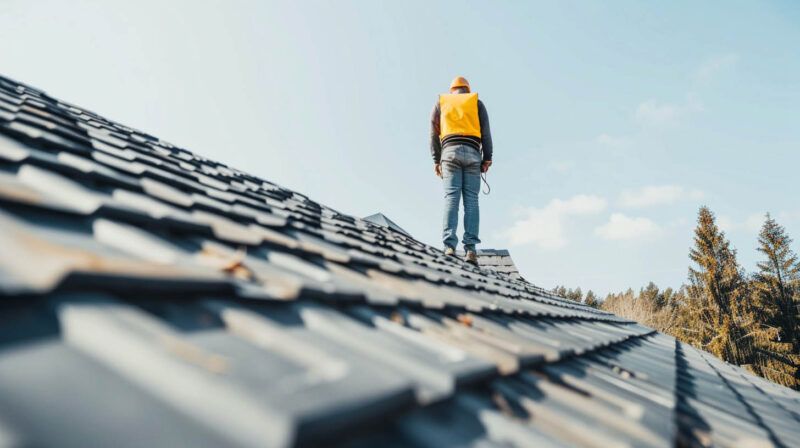
One of the easiest ways to protect your warranty is to hire a licensed, certified professional. Most manufacturers only honor their warranty if the installation was performed according to their specifications—something only certified roofers are trained to do.
Cutting corners with an unlicensed or inexperienced contractor may save you money upfront, but it could cost you the entire value of your warranty in the long run.
2. Register Your Warranty Promptly
Some warranties require homeowners to register the product with the manufacturer shortly after installation. If you forget to do this—or wait too long—you could lose out on enhanced coverage or even void the warranty altogether.
At 180 Contractors Roofing & Siding, we assist our clients with warranty registration and provide clear documentation of materials and installation date so there’s no confusion later.
3. Schedule Regular Roof Inspections
Routine maintenance and professional inspections are often a condition of warranty coverage. Many manufacturers recommend having your roof inspected at least once a year and after severe storms. Inspections help identify minor issues—like lifted shingles or loose flashing—before they become warranty-voiding damage.
If you’re in Waterford, MI, our team offers seasonal inspections to help ensure your roof remains in good standing.
4. Address Damage Immediately
If your roof sustains damage—whether from a fallen tree, high winds, or a hailstorm—you must act fast. Most warranties state that homeowners must mitigate damage as quickly as possible to prevent further deterioration.
Delaying repairs or failing to notify your roofer or insurance provider in a timely manner can lead to claim denial.
5. Avoid Unauthorized Modifications
Adding new penetrations, skylights, solar panels, or even antennas without consulting your roofer could void your warranty. That’s because these modifications can compromise your roofing system and lead to leaks or material failures not covered under warranty terms.
Always consult with your original installer or a certified roofing contractor before making structural changes to your roof.
6. Use Approved Materials and Installation Methods
If repairs are needed, it’s crucial to use compatible materials and adhere to the original manufacturer’s guidelines. Using inferior or mismatched products can not only reduce your roof’s performance—it can also nullify your warranty.
That’s why we only use manufacturer-approved systems and installation methods, especially when working with trusted brands like Owens Corning.
7. Keep Records and Documentation
Maintain a file with:
- The original contract and receipt
- Warranty certificates and registration confirmation
- Records of inspections and maintenance
- Any correspondence related to roof issues or repairs
Having thorough documentation makes it much easier to file a claim and prove that all warranty terms have been met.
Final Thoughts
Your roof warranty is an important layer of protection, but it’s only as good as your ability to maintain it. Following the right steps—working with certified pros, scheduling inspections, and documenting everything—will ensure your coverage stays in force when you need it most.
At 180 Contractors Roofing & Siding, we go beyond installation to help homeowners in Waterford, MI stay protected for the long haul.
Read also our blog:
Time to Call a Roofer? Here Are 5 Warning Signs