Whether it’s a slow leak, missing shingles, or storm damage, roof issues are something every homeowner will face eventually. The good news? Not all roofing problems require full replacement. Many can be resolved quickly and affordably with targeted repairs—if you know what to expect. At 180 Contractors Roofing & Siding, we help homeowners in Troy, MI navigate roof repairs with transparency, professionalism, and durable results. If you’re wondering what typical roof repairs involve, this guide is for you.
The Most Common Types of Roof Repairs
1. Shingle Replacement
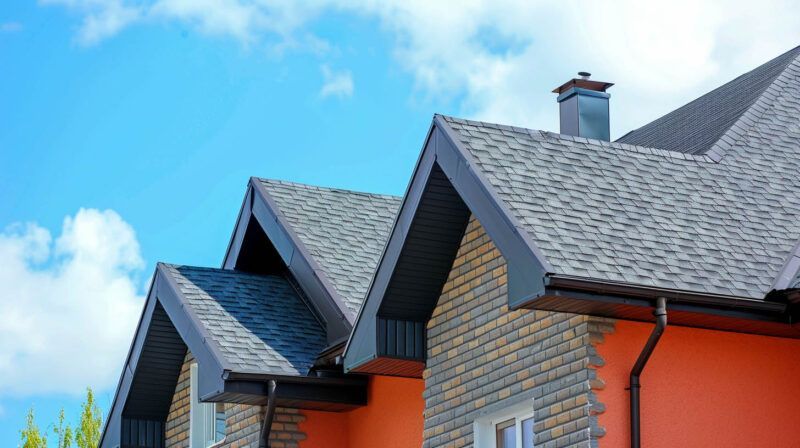
One of the most frequent repairs we perform involves replacing damaged or missing shingles. This can happen due to wind, hail, falling branches, or simple wear and tear. In many cases, isolated shingle issues can be corrected without disturbing the rest of the roof.
We match replacement shingles to your existing roof as closely as possible and ensure proper installation using manufacturer-approved methods—especially for brands like Owens Corning, which offer excellent long-term durability and aesthetic variety.
2. Flashing Repair or Replacement
Flashing is the metal material used to seal areas around roof penetrations like chimneys, skylights, and vents. Over time, flashing can rust, crack, or become loose, creating a prime entry point for water.
During a flashing repair job, we inspect for separation from adjacent materials and reseal or replace as needed. Proper flashing is key to a watertight roofing system.
3. Leak Detection and Sealing
Not all leaks are obvious. Water may enter the roof in one area but appear in a completely different part of your ceiling. Our team uses advanced tools and techniques to trace leaks to their source. We then seal the area with durable, weather-resistant products designed to withstand Michigan’s temperature swings.
At 180 Contractors Roofing & Siding, leak detection is one of our specialties—especially when paired with attic inspections to catch hidden moisture issues.
4. Gutter and Downspout Repairs
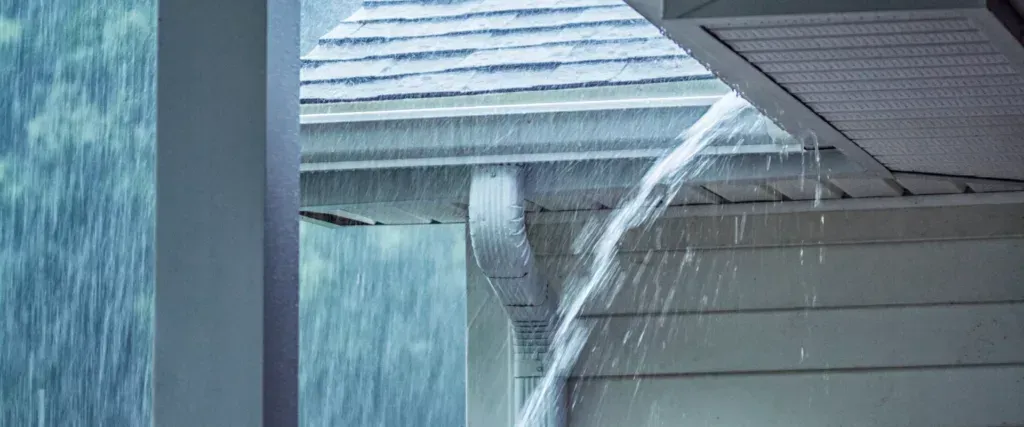
Gutters and downspouts that sag, pull away, or become clogged can lead to water overflowing onto your roof or siding. Minor gutter issues can often be fixed with reattachment, bracket replacement, or realignment.
We also ensure your downspouts are draining properly away from your home to protect your foundation and roofline.
5. Ventilation and Ridge Cap Repairs
If your attic isn’t properly ventilated, it can lead to overheating in summer or moisture buildup in winter. Repairing or replacing ridge vents, soffit vents, and roof vents is an often-overlooked—but highly important—roof repair job.
We check that your ventilation system supports healthy airflow, which not only prevents leaks and rot but also helps keep your energy bills in check.
What the Repair Process Looks Like
When you call 180 Contractors Roofing & Siding, here’s what you can expect:
- Initial Assessment – We start with a thorough inspection, documenting visible and hidden issues.
- Estimate and Explanation – You’ll receive a detailed estimate and a clear explanation of what needs to be done and why.
- Scheduling –
Most common repairs can be scheduled within days and completed in one visit.
- Repair Day – Our team arrives on time, respects your property, and works efficiently.
- Final Inspection – We verify that all repairs meet our standards and your expectations.
- Cleanup – We remove all debris, nails, and materials—leaving your property as clean as we found it.
How Long Do Common Repairs Take?
- Minor shingle repairs: 1–2 hours
- Flashing/sealant repair: 2–4 hours
- Leak diagnostics and sealing: 3–6 hours depending on complexity
- Gutter adjustments: 1–2 hours
- Full inspection + repairs: Usually completed same day
Most repairs are finished quickly, with minimal disruption to your day. However, more complex jobs—especially involving structural components—may require additional time.
When a Repair Isn’t Enough
While many roofing issues can be solved with localized repairs, there are times when replacement is the smarter long-term option. If your roof is over 15–20 years old or has recurring problems across multiple areas, we’ll provide honest advice and a clear comparison of repair vs. replacement costs.
Our goal is always to recommend the most cost-effective, sustainable solution based on your roof’s condition and your budget.
Final Thoughts
Roof repairs don’t have to be overwhelming or expensive when you partner with the right contractor. By catching issues early and understanding what to expect from common roofing jobs, you can extend your roof’s life, maintain your home’s value, and prevent unnecessary stress.
At 180 Contractors Roofing & Siding, we deliver dependable roof repairs backed by years of experience, manufacturer partnerships, and the trust of homeowners across Troy, MI.
Read also our blog:
Spring Roof Check: A Must-Do After Winter Ends