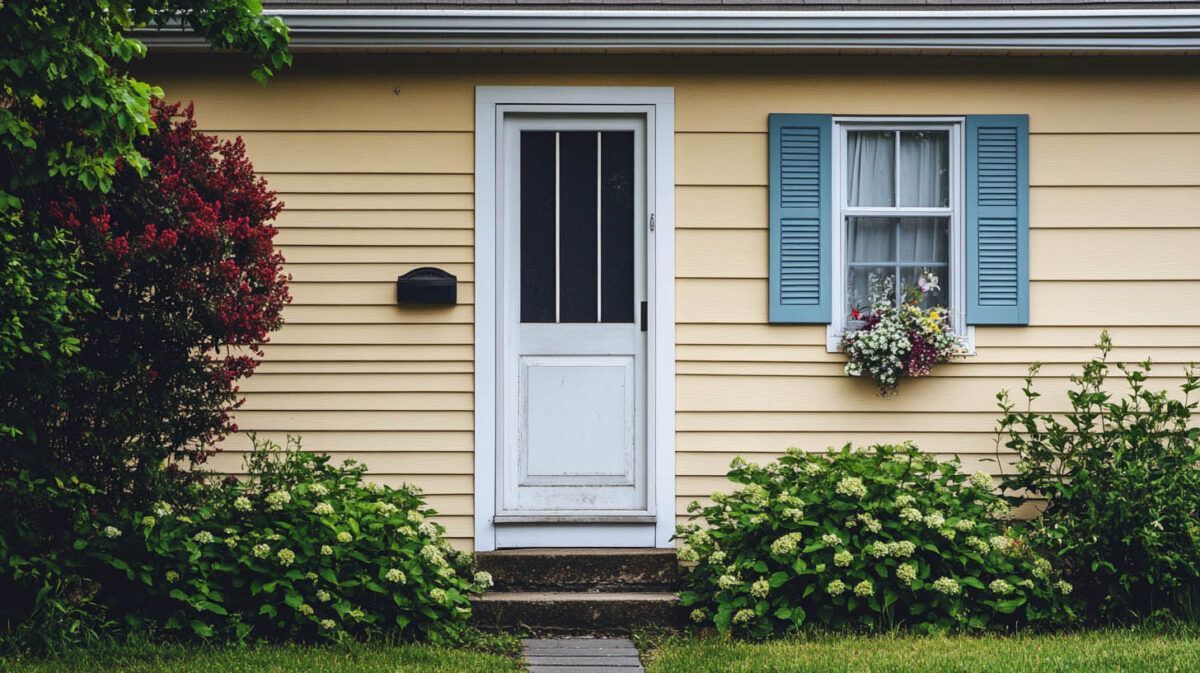
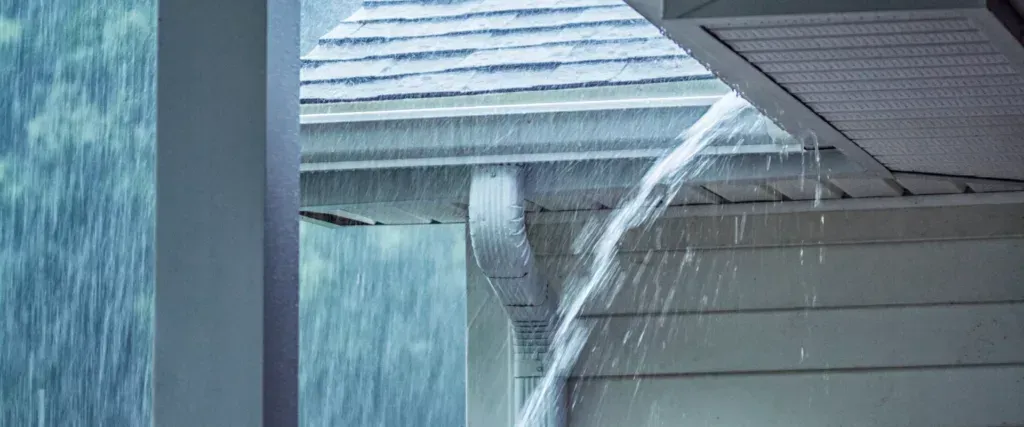
Vinyl siding is a popular choice for homeowners due to its durability, low maintenance, and aesthetic appeal. However, to keep it looking pristine for decades, proper care and maintenance are essential. This guide provides in-depth strategies to ensure your vinyl siding remains clean, damage-free, and in top condition year-round.
Regular Cleaning to Prevent Dirt and Algae Buildup
Over time, vinyl siding accumulates dirt, dust, pollen, and other environmental contaminants. In humid climates, green algae, mold, and mildew may also develop. Regular cleaning helps maintain its original appearance and extends its lifespan.
How Often Should You Clean Vinyl Siding?
- Annually: At minimum, wash your siding once a year.
- Biannually: If you live in an area prone to high humidity, pollen, or heavy rainfall, clean it twice a year—once in spring and again in fall.
Best Cleaning Methods
- Garden Hose and Soft Brush:
For light dirt, a garden hose and soft-bristle brush can effectively remove grime.
- Pressure Washing:
If using a pressure washer, set the PSI between 1,000 and 1,900 to prevent damage.
- Cleaning Solution: A mixture of mild dish soap, white vinegar, or an eco-friendly detergent can remove stubborn stains without harming the vinyl.
- Bleach for Mold and Mildew: Use a diluted bleach solution (one part bleach to four parts water) for tougher stains, but rinse thoroughly afterward.
Hiring a Professional Pressure Washing Service
If you opt for professional cleaning, ensure the company specializes in siding maintenance. Incorrect pressure washing techniques can cause cracks, loosen panels, or force water behind the siding, leading to mold and rot.
Choosing the Right Pressure Washing Service
- Ask about their experience with vinyl siding specifically.
- Verify that they use low-pressure washing (soft wash) techniques.
- Ensure they use environmentally safe cleaning agents.
Repairing Damaged Siding Immediately
Even the most durable siding is susceptible to cracks, holes, and warping due to extreme weather conditions, impact damage, or improper installation.
Common Causes of Siding Damage
- Severe Weather:
Hail, high winds, and debris can create cracks and dents.
- Heat Damage: Grills or fire pits placed too close to the house can warp vinyl siding.
- Pressure Washing Mistakes: Using excessive force can puncture panels.
Steps to Fix Siding Damage
- Inspect Your Siding Regularly:
Walk around your home every six months to check for cracks, loose panels, or punctures.
- Replace Damaged Sections:
Small cracks can often be repaired with a vinyl siding patch, while larger damage may require full panel replacement.
- File an Insurance Claim:
If your siding sustains damage from a storm, contact your homeowner’s insurance company immediately to see if repairs are covered.
Preventing Ice Dams to Protect Your Siding
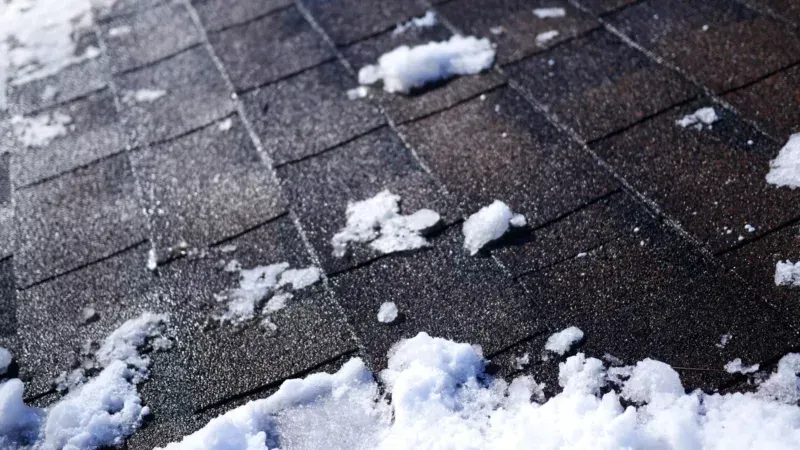
In colder climates, ice dams can form on your roof and cause serious siding damage when they melt and fall. Ice dams occur when poor attic insulation causes snow to melt unevenly, refreezing at the edges.
How to Prevent Ice Dams
- Improve Attic Insulation:
Ensure your attic is properly insulated to maintain an even roof temperature.
- Use a Snow Rake: Regularly remove excess snow from your roof to prevent ice buildup.
- Install Deicing Cables:
Heated cables can be placed along the roofline to melt ice before it causes damage.
By taking these precautions, you can prevent ice dams from cracking or displacing your siding.
Protecting Your Vinyl Siding from Heat Damage
While vinyl siding is heat-resistant, prolonged exposure to intense heat sources can cause warping and discoloration.
Heat Protection Tips
- Keep BBQ Grills and Fire Pits Away:
Maintain a minimum distance of 10 feet from your siding.
- Be Aware of Window Reflections:
Some high-efficiency windows can reflect sunlight and create concentrated heat spots on siding. Use solar screens or protective film to reduce the risk.
- Trim Vegetation: Overgrown shrubs and trees can trap moisture against siding, leading to mold growth and deterioration.
Choosing the Right Siding Contractor for Repairs and Installation
If your siding requires replacement or professional repair, hiring a reputable contractor is crucial. Poor installation can lead to water damage, loose panels, and decreased energy efficiency.
What to Look for in a Siding Contractor
- Certifications & Accreditations: Look for companies with credentials such as BBB A+ accreditation, Guildmaster (GuildQuality), and INC 5000 recognition.
- Experience with Quality Brands: Choose contractors that work with trusted brands like James Hardie, Alside, and Everlast.
- Insurance and Warranty:
Ensure they provide both liability insurance and manufacturer-backed warranties.
If you’re in Waterford, MI, consider 180 Contractors Roofing & Siding, known for exceptional craftsmanship and customer satisfaction.
Frequently Asked Questions (FAQs)
How can I prevent my vinyl siding from fading?
To prevent fading, choose UV-resistant siding, clean it regularly, and avoid prolonged sun exposure by using landscaping strategically.
Is it safe to paint vinyl siding?
Yes, but use a paint designed for vinyl siding to ensure proper adhesion and flexibility. Choose light colors to prevent heat absorption.
What is the lifespan of vinyl siding?
With proper maintenance, high-quality vinyl siding can last 30 to 40 years before needing replacement.
How can I remove rust stains from vinyl siding?
Mix equal parts white vinegar and water, apply with a soft brush, and rinse thoroughly. Avoid using harsh chemicals that could damage the material.
Can vinyl siding withstand extreme weather conditions?
Yes, most modern vinyl siding is rated to withstand winds of up to 110 mph. However, if you live in an area prone to severe storms, reinforced siding may be a better option.
Conclusion
Vinyl siding is a low-maintenance and durable exterior option, but it still requires proper care to maintain its beauty and integrity. Regular cleaning, timely repairs, and proactive protection against weather damage will keep your home’s exterior in excellent condition for years to come. By following these best practices, homeowners can ensure their investment in vinyl siding remains valuable and aesthetically pleasing over time.
Read also our blog:
The Benefits of Installing New Siding on Your Home