The Importance of Proper Siding Maintenance
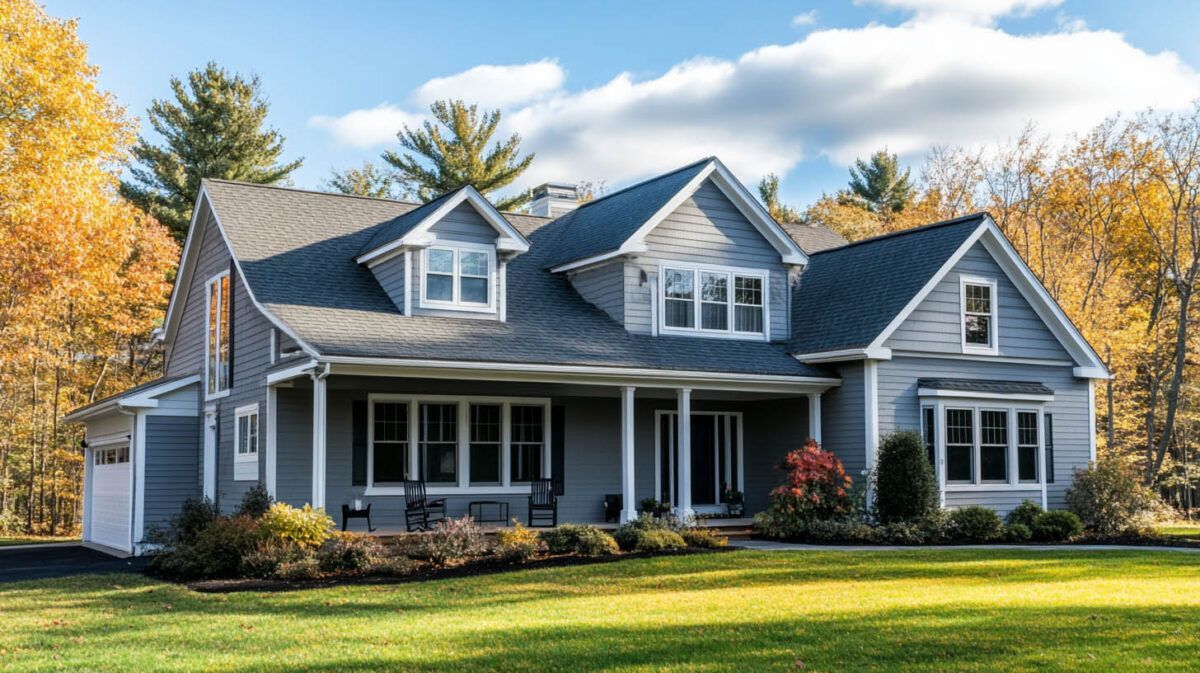
Residential siding is a crucial component of a home’s exterior, serving as a protective barrier against weather elements while enhancing curb appeal. Proper maintenance extends the lifespan of siding, prevents costly repairs, and keeps the home looking pristine. Different siding materials require specific care techniques to maintain their durability and appearance.
Best Practices for Maintaining Residential Siding
1. Regular Cleaning to Prevent Dirt and Mold Buildup
Over time, siding accumulates dirt, dust, and mildew, which can affect both its appearance and structural integrity.
- Vinyl Siding:
Use a mixture of water, mild detergent, and a soft brush to clean the surface. For tougher stains, diluted vinegar or a specialized siding cleaner works well.
- Wood Siding:
Requires gentle cleaning with a soft brush and mild soap to prevent damaging the material. Avoid excessive moisture to reduce the risk of rot.
- Fiber Cement and Metal Siding: Can be cleaned with a low-pressure power washer, but care should be taken to avoid damaging protective coatings.
2. Power Washing for Deep Cleaning
Power washing effectively removes grime, mold, and mildew, restoring the original look of the siding. However, improper use of a power washer can cause damage.
- Use a low-pressure setting to avoid stripping paint or protective finishes.
- Start at the top of the siding and work downward to prevent streaking.
- For delicate siding materials, such as wood or fiber cement, use a garden hose and a scrub brush instead.
3. Inspecting and Repairing Siding Damage
Routine inspections help identify minor issues before they turn into major problems. Look for:
- Cracks and Chips:
Small cracks in vinyl or fiber cement siding can be sealed with caulk. Larger damage may require panel replacement.
- Warping or Buckling: This can indicate moisture intrusion or improper installation.
- Loose or Missing Panels: Strong winds and weather exposure can loosen siding panels, requiring reattachment or replacement.
- Wood Rot and Pest Damage: Wood siding should be checked for rot and termite infestations regularly.
4. Painting and Sealing for Extra Protection
Applying a fresh coat of paint or sealant enhances the longevity of certain siding materials.
- Wood Siding: Requires repainting or staining every 3-7 years, depending on exposure to sunlight and moisture.
- Brick Siding:
Can be sealed to prevent moisture absorption, reducing the risk of cracks or efflorescence (white, powdery residue).
- Metal Siding: Protective coatings prevent rust and fading. Repainting may be necessary every 10-15 years.
5. Managing Landscaping to Prevent Siding Damage
Landscaping plays a significant role in siding maintenance. Overgrown shrubs, trees, and vines can cause moisture buildup and physical damage.
- Trim Trees and Bushes:
Keep branches away from siding to prevent scratches and dents.
- Remove Climbing Vines:
While they add aesthetic appeal, vines trap moisture against siding, leading to mold and rot.
- Monitor Sprinkler Placement:
Direct water away from the home to prevent excessive moisture exposure.
6. Preventing Moisture Damage and Mold Growth
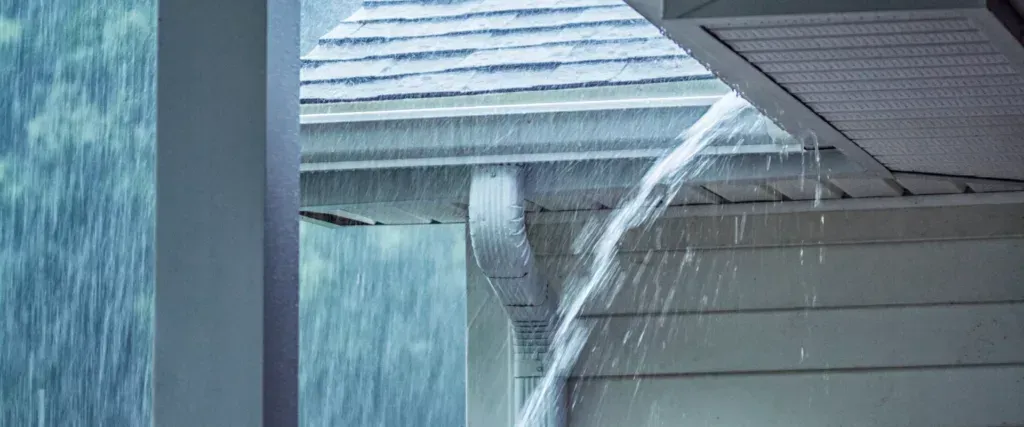
Moisture infiltration is a common issue that can lead to mold, rot, and interior water damage.
- Check Gutters and Downspouts: Ensure they direct water away from siding and foundation.
- Seal Gaps Around Windows and Doors:
Use caulk to close small openings where moisture can seep in.
- Improve Ventilation: Proper airflow around the home reduces humidity buildup that can lead to mold growth on siding.
7. Choosing High-Quality Siding for Long-Term Benefits
Investing in durable siding reduces maintenance needs and enhances protection against harsh weather conditions.
- Vinyl Siding:
Low-maintenance, affordable, and resistant to moisture and insects.
- Fiber Cement Siding:
Resistant to fire, rot, and pests, with minimal upkeep required.
- Metal Siding:
Highly durable, rust-resistant when properly coated, and offers excellent longevity.
- Brick and Stone Veneer: Extremely durable, though occasional sealing may be needed to prevent moisture absorption.
How Regular Siding Maintenance Saves Money
Proactive maintenance reduces the risk of costly repairs and replacements. According to industry studies, homeowners who regularly clean and inspect their siding can extend its lifespan by 30-50%. Investing in small upkeep tasks now prevents expensive siding overhauls later.
Our Expertise in Siding Installation and Maintenance
At 180 Contractors Roofing & Siding, we provide professional siding installation and maintenance services to help homeowners protect their investment in Troy, MI. We are BBB A+ accredited, recognized by Guildmaster, and featured in the INC 5000 list. We work with leading brands such as James Hardie, Alside, and Everlast, ensuring top-quality siding solutions tailored to each home.
Frequently Asked Questions
1. How often should siding be cleaned?
Siding should be cleaned at least once a year to prevent dirt buildup and mold growth. Homes in humid or high-pollution areas may require more frequent cleaning.
2. Can power washing damage siding?
Yes, if used incorrectly. Always use low pressure, and avoid spraying water directly into seams or cracks. For delicate siding, hand washing is a safer option.
3. When should siding be repainted or sealed?
- Wood siding:
Every 3-7 years
- Metal siding:
Every 10-15 years
- Brick and stone veneer:
Sealing may be needed every 5-10 years, depending on exposure to moisture
4. What are the signs that siding needs replacement?
- Persistent mold or mildew growth
- Warping, cracks, or missing panels
- Peeling paint or faded color
- High energy bills due to poor insulation
5. How can I prevent pests from damaging my siding?
Trim vegetation, seal gaps, and inspect siding regularly for signs of termites, carpenter ants, or rodents.
Conclusion
Proper maintenance ensures that residential siding remains durable, visually appealing, and protective against the elements. By cleaning regularly, inspecting for damage, and making necessary repairs, homeowners can extend the lifespan of their siding while enhancing curb appeal. Investing in high-quality siding and professional maintenance services guarantees long-term performance and peace of mind.
Read also our blog:
Metal Siding for Homes: Durability, Efficiency, and Style