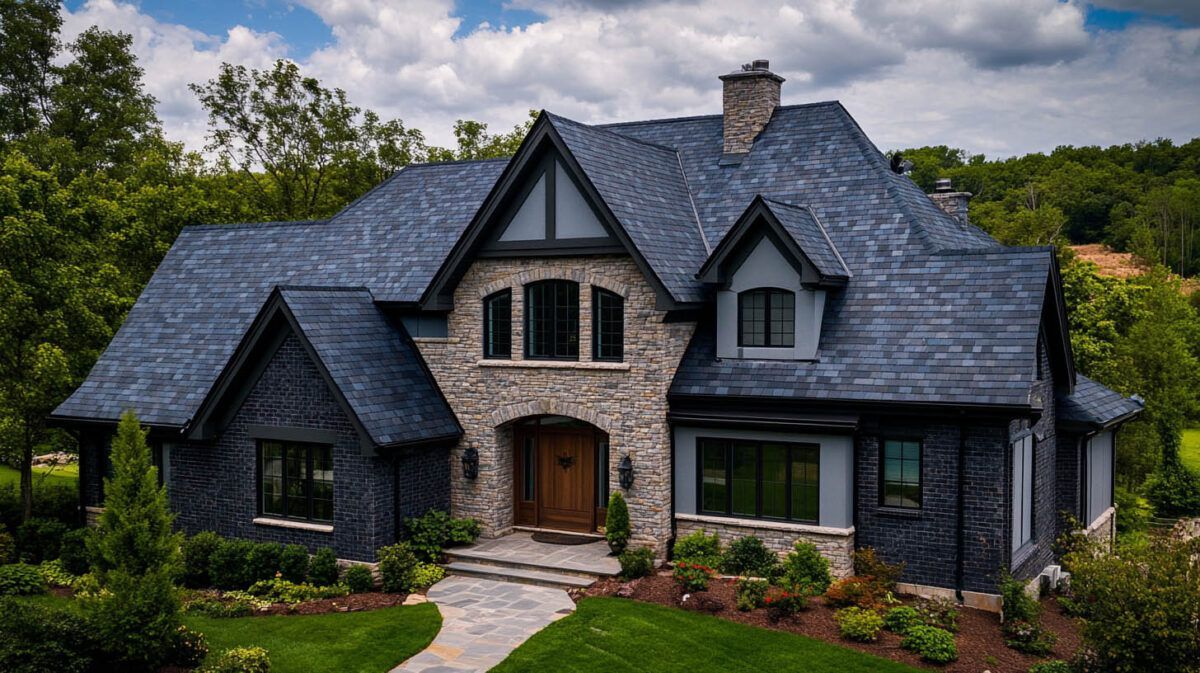
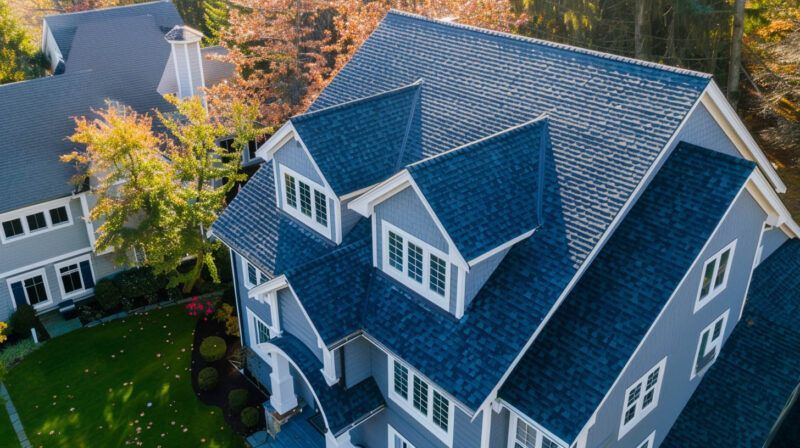
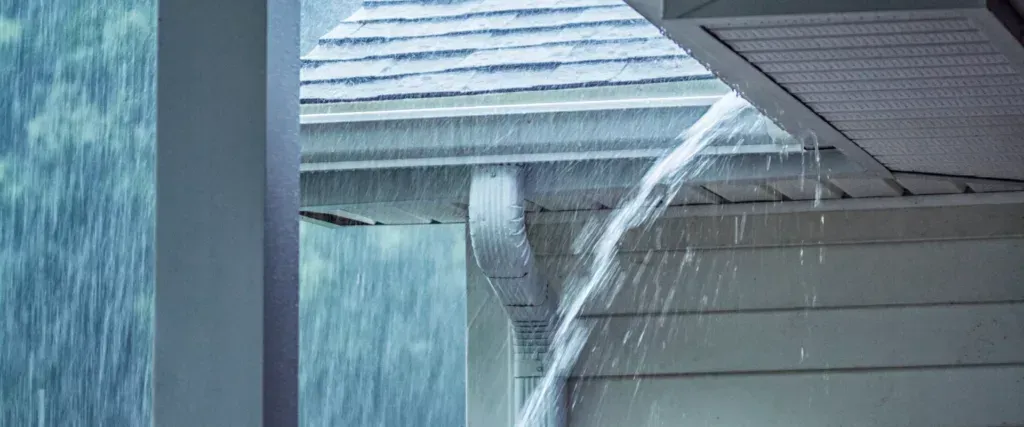
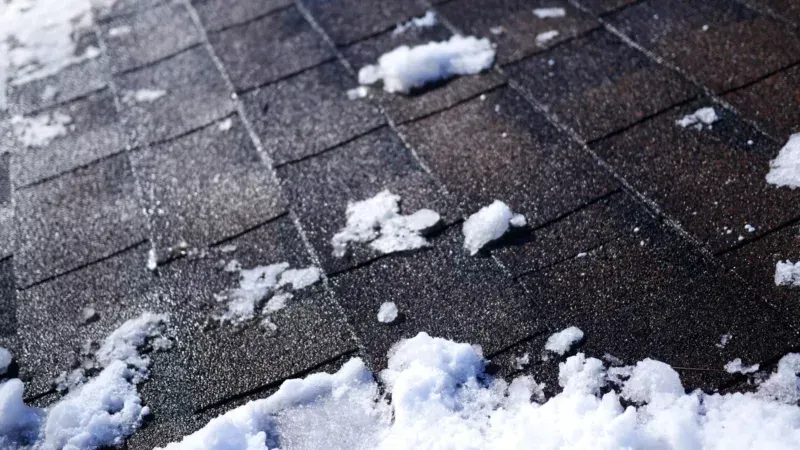
Whether you’re planning a roof replacement, scheduling a repair, or reviewing an estimate, understanding roofing terminology can make the process easier and more transparent. Homeowners in Waterford, MI benefit from knowing key roofing terms—not just for smarter decision-making, but also to communicate clearly with contractors and avoid confusion.
At
180 Contractors Roofing & Siding, we believe an informed homeowner is an empowered homeowner. That’s why we’ve put together this comprehensive glossary of must-know roofing terms to help you better understand what’s over your head.
Basic Roofing Structure Terms
1. Decking
The foundation of your roof, typically made from plywood or oriented strand board (OSB), onto which all other roofing components are installed. If your decking is damaged, it must be replaced before new materials can be installed.
2. Underlayment
A moisture-resistant layer installed directly on top of the decking, beneath the shingles. It provides a secondary barrier against water intrusion. Popular options include felt paper and synthetic underlayments, like those used in premium Owens Corning systems.
3. Rafters
Sloped wooden beams that support the roof structure from within the attic. They run from the ridge (top of the roof) down to the exterior walls.
4. Trusses
Pre-fabricated triangular structures made from wood and metal plates. They serve the same purpose as rafters but are more uniform and faster to install.
Roofing Surface Materials
5. Shingles
The most visible layer of a roof. Asphalt shingles are the most common in Waterford, MI, but metal, slate, and composite materials are also used.
6. Starter Shingles
The first row of shingles installed at the bottom of the roof. They are crucial for wind resistance and proper water drainage.
7. Hip and Ridge Shingles
Specially designed shingles used to cover roof hips (where two roof planes meet at an angle) and ridges (the highest horizontal edge of the roof).
Waterproofing and Protection
8. Ice and Water Shield
A rubberized membrane that provides extra protection against water infiltration, especially in valleys and along eaves where ice dams are common in Michigan winters.
9. Drip Edge
Metal flashing is installed along the roof edges to channel water away from the fascia and into the gutters. It is a building code requirement that enhances both the longevity and effectiveness of the roof system.
10. Flashing
Thin pieces of metal installed around roof penetrations (chimneys, vents, skylights) and along joints to prevent water intrusion.
Ventilation Components
11. Ridge Vent
A ventilation strip installed at the peak of the roof. It allows warm, moist air to escape from the attic, reducing condensation and heat buildup.
12. Soffit Vent
Positioned beneath the eaves, these vents draw in cool air to promote airflow, helping to maintain a balanced attic temperature.
13. Baffles
Foam or cardboard pieces installed between rafters to keep insulation from blocking soffit vents and maintain airflow.
Roofing System Terms
14. Roof Valley
Where two downward slopes meet, creating a channel for water runoff. These are common areas for leaks and need extra protection.
15. Gable
The triangular section of a wall located between the slopes of intersecting roof pitches is known as a gable. Gable roofs are popular in Waterford homes because of their straightforward design and effective water drainage.
16. Pitch
The angle or steepness of your roof, often described as a ratio (e.g., 6:12 means the roof rises 6 inches for every 12 inches of horizontal distance). Steeper roofs shed water better but may require specialized installation techniques.
Installation and Project Terms
17. Tear-Off
The process of removing the existing roof system before installing a new one. This ensures a clean foundation and allows inspection of the decking and structure.
18. Overlay
Installing a new layer of shingles over the old one. This is a cheaper option but is not recommended for most homes, especially if there’s any underlying damage.
19. Warranty
Covers materials and/or workmanship. Manufacturer warranties (like those from Owens Corning) typically cover defects in materials, while workmanship warranties come from the contractor and cover installation errors.
Roofing Issues and Repairs
20. Blistering
Raised areas on shingles caused by trapped moisture or poor ventilation. These can lead to premature aging and roof failure.
21. Granule Loss
The tiny ceramic granules on asphalt shingles protect against UV rays. Loss of granules is a sign your shingles are aging or damaged.
22. Delamination
Occurs when roofing materials separate into layers—usually due to moisture, poor adhesion, or heat damage.
23. Roof Leaks
Caused by damaged flashing, failed underlayment, or compromised shingles. Leaks are more common near roof valleys, vents, or chimneys.
Final Thoughts
Learning the language of roofing puts you in a stronger position to care for your home, compare contractor bids, and make smart long-term decisions. In Waterford, MI, where weather can shift rapidly from season to season, knowing how your roof functions and what each part does helps you stay ahead of costly damage.
Whether you’re planning repairs, a full replacement, or simply reviewing a proposal, this roofing glossary will serve as a valuable resource. And if you’re ever unsure, a trusted roofing partner is only a call away.
Read also our blog:
Your Complete Roof Maintenance Checklist for Every Season