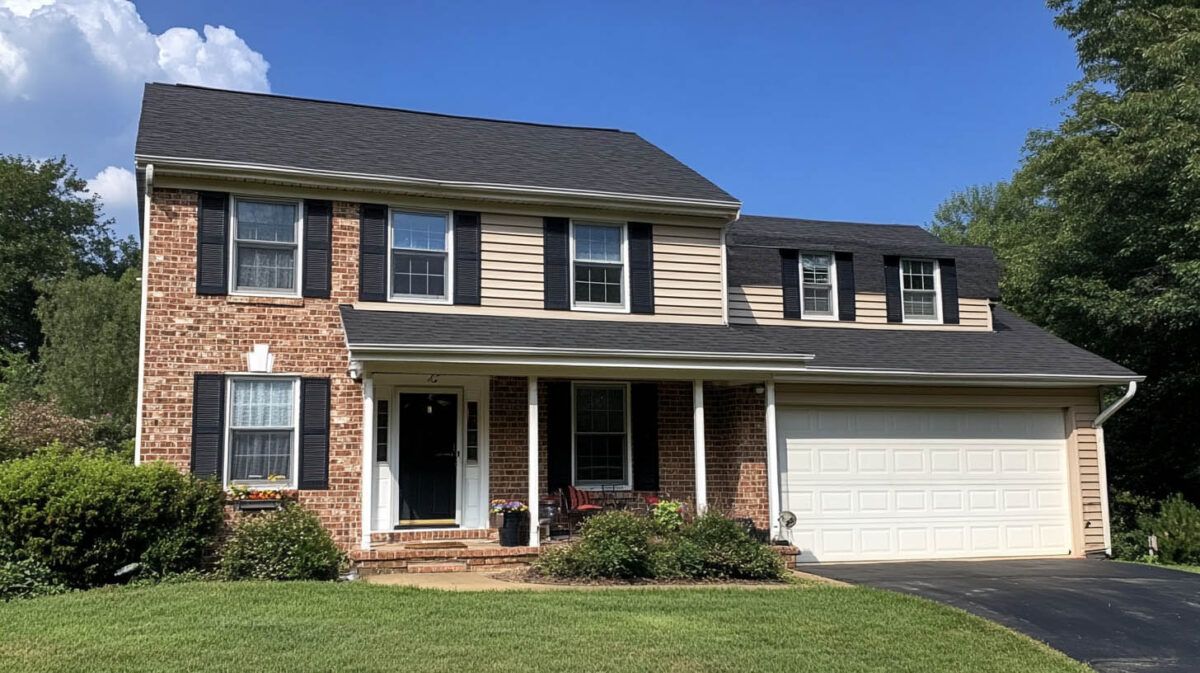
Brick exteriors provide homes with a classic, durable, and weather-resistant finish. However, over time, brick can deteriorate, leading homeowners to seek alternatives for improving their home’s curb appeal and insulation. Vinyl siding is one of the most popular exterior cladding materials due to its affordability and low maintenance. But can you install vinyl siding over brick? While it is technically possible, there are several critical factors to consider before making this decision.
Understanding Brick Deterioration
Brick homes are known for their longevity, but they are not immune to wear and tear. Over the years, bricks can develop the following issues:
- Crumbling and flaking due to exposure to moisture and temperature fluctuations.
- Spalling, where the surface layer of bricks breaks apart, leading to structural instability.
- Patching requirements for cracks and gaps that develop over time.
These factors can make it challenging to install vinyl siding properly, as the surface must be smooth and even to ensure proper adhesion and durability.
Is Installing Vinyl Siding Over Brick a Good Idea?
While vinyl siding is versatile, applying it over a brick surface presents several challenges:
1. Uneven Surface Complications
Brick exteriors have a textured, uneven surface, making it difficult to secure vinyl panels properly. Unlike wood or stucco, which can serve as a direct substrate, bricks require additional preparation to create a smooth base for vinyl siding.
2. Moisture and Ventilation Concerns
Bricks are porous and naturally allow moisture to escape. Covering them with vinyl siding can trap moisture, leading to mold growth, wood rot in the framing, and insulation damage. Proper ventilation and waterproofing measures must be in place to avoid these risks.
3. Installation Challenges and Costs
Installing vinyl siding over brick requires a multi-step process, including attaching furring strips and sheathing to create a level surface. This additional labor increases both the complexity and cost of the project.
4. Durability and Climate Considerations
Homes in regions with extreme temperatures, heavy rainfall, or high humidity may experience accelerated wear on vinyl siding installed over brick. Expansion and contraction due to temperature shifts can lead to warping and cracking if not installed correctly.
How to Properly Install Vinyl Siding Over Brick
For homeowners determined to install vinyl siding over brick, following best practices is essential to ensure long-term success.
1. Preparing the Brick Surface
Before any installation begins, the brick must be cleaned thoroughly to remove dirt, mold, and loose mortar. Any structural damage, such as cracks or missing bricks, should be repaired before proceeding.
2. Installing Furring Strips
Furring strips, typically made of wood or metal, are attached vertically to the brick wall at consistent intervals. These strips create a level surface and provide a mounting framework for the vinyl siding.
3. Adding Insulation and Sheathing
Rigid foam board insulation can be added between the furring strips to improve energy efficiency. A layer of plywood or OSB (oriented strand board) sheathing is then secured to the furring strips, creating a smooth and solid surface for the vinyl siding.
4. Applying a Moisture Barrier
A weather-resistant barrier, such as house wrap or a vapor barrier, must be installed over the sheathing to prevent moisture buildup and enhance protection against water infiltration.
5. Installing the Vinyl Siding
With the foundation in place, vinyl siding panels can now be installed according to manufacturer guidelines. Secure fastening, proper overlapping, and expansion gaps are crucial to maintaining a durable and aesthetically pleasing finish.
Alternative Siding Options for Brick Homes
For homeowners reconsidering vinyl siding over brick, there are several other siding materials to explore:
- Fiber Cement Siding –
Durable, fire-resistant, and available in various styles, fiber cement is a strong alternative to vinyl.
- Stone Veneer – Provides a natural stone appearance without the high cost of real stone.
- Stucco Siding –
A traditional option that complements brick homes and offers excellent insulation properties.
- Engineered Wood Siding – Offers the look of natural wood with enhanced durability and lower maintenance.
Benefits of Vinyl Siding
Despite the challenges of installing vinyl siding over brick, this material remains a popular choice for many homeowners due to its advantages:
- Affordability – Vinyl siding is one of the most cost-effective exterior cladding options.
- Low Maintenance –
Unlike wood or brick, vinyl siding does not require frequent painting or sealing.
- Variety of Styles – Available in a wide range of colors and textures, including options that mimic wood grain.
- Energy Efficiency – When installed with proper insulation, vinyl siding can improve a home’s energy performance.
Professional Installation Matters
Given the complexities of installing vinyl siding over brick, hiring a skilled contractor is crucial. 180 Contractors Roofing & Siding, located in Rochester Hills, MI, specializes in high-quality siding installations that meet industry standards. With certifications such as BBB A+ accredited, Guildmaster (GuildQuality), INC 5000, Google Guaranteed, and Qualified Remodeler Top 100 Satisfaction, homeowners can trust their expertise. The company works with leading brands like James Hardie, Alside, and Everlast, ensuring durable and stylish siding solutions.
Frequently Asked Questions
- Can vinyl siding be removed later if installed over brick?
Yes, but removing it requires careful dismantling of furring strips, sheathing, and fasteners, which can be labor-intensive. - How long does vinyl siding last when installed over brick?
Properly installed vinyl siding can last 20–30 years, but its longevity depends on climate conditions and maintenance. - Will installing vinyl siding over brick affect my home’s resale value?
It depends on market trends and buyer preferences. While vinyl can enhance curb appeal, improperly installed siding may reduce property value. - Does vinyl siding over brick improve insulation?
Adding insulation beneath the siding can improve energy efficiency, but without it, the impact on insulation may be minimal. - What is the best alternative to vinyl siding over brick?
Fiber cement and stone veneer are excellent alternatives that provide durability and a polished appearance without the challenges of vinyl over brick.
Conclusion
While installing vinyl siding over brick is possible, it requires meticulous preparation, proper moisture management, and expert installation. Homeowners should weigh the benefits against the challenges and explore alternative siding options to ensure the best outcome for their home’s exterior.
Read also our blog:
How New Siding Increases Home Value: 4 Key Benefits