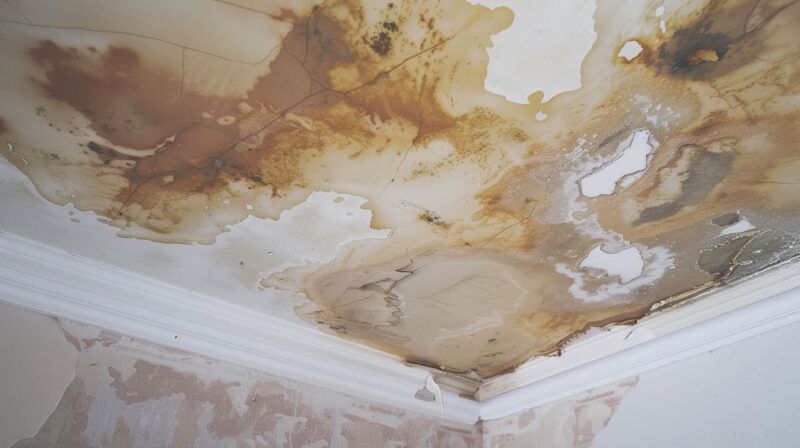
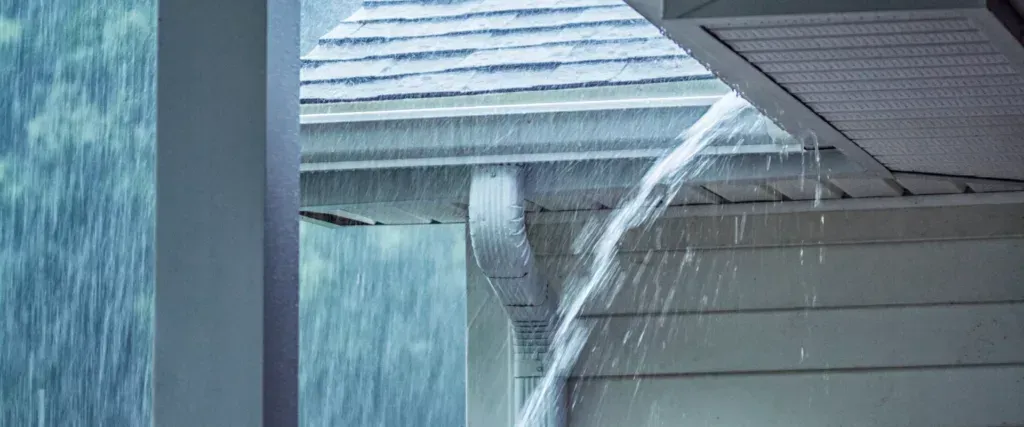
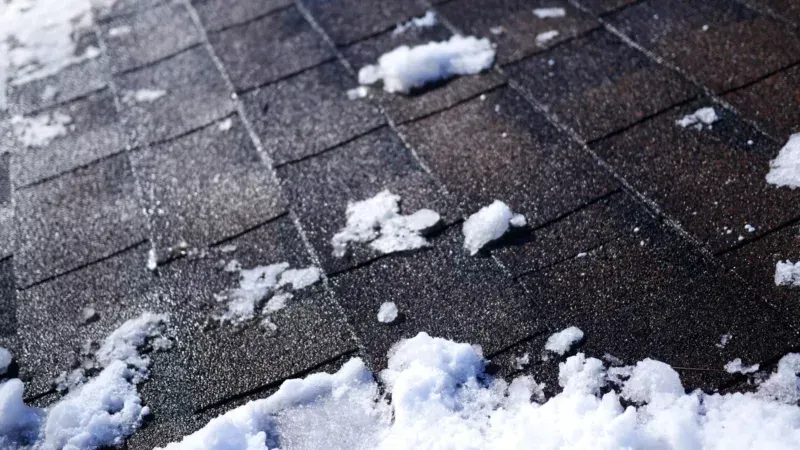
You walk into a room after a heavy storm and notice a dark, wet stain spreading across your ceiling. It’s a homeowner’s worst nightmare—but also a common one, especially in areas like Waterford, MI, where seasonal storms bring wind, rain, and hail that can easily compromise your roof. The good news? Acting quickly can make the difference between a simple patch and a costly overhaul.
At 180 Contractors Roofing & Siding, we’ve helped countless Michigan homeowners handle the aftermath of storm damage, including sudden leaks and mysterious ceiling stains. This blog will guide you through what to do immediately when you spot a stain on your ceiling, how to trace the problem, and how to prevent it from happening again.
Step 1: Don’t Ignore the Stain
A water stain on the ceiling is never just cosmetic. It’s almost always a sign that moisture has entered your home, and the longer it’s left unaddressed, the more likely it will cause:
- Mold or mildew growth
- Insulation damage
- Sagging or collapsing drywall
- Electrical hazards
Even if the stain dries up after the storm passes, the underlying issue may persist. The next heavy rain could make things worse—fast.
Step 2: Contain the Water
If the stain is actively leaking, grab a bucket or container to catch any drips. Then, gently poke a small hole in the lowest part of the bulging ceiling area using a screwdriver or nail. This might sound counterintuitive, but it relieves pressure and prevents the ceiling from collapsing under the weight of trapped water.
Place a tarp or plastic sheet beneath the leak to protect your floors and furniture from further damage.
Step 3: Turn Off Electrical Power If Necessary
If the leak is near light fixtures or wiring, immediately shut off power to the affected area from your breaker box. Water and electricity are a dangerous mix. Wait until a qualified electrician or roofing expert has assessed the area before turning the power back on.
Step 4: Inspect the Attic or Crawl Space
If you have safe access to your attic, check for signs of water intrusion:
- Wet insulation or wood framing
- Dripping from roof decking
- Discoloration around roof penetrations like vents or chimneys
The goal here isn’t to make repairs, but to help locate the source of the leak. Take photos and document everything you observe—it’ll be useful for your contractor and insurance provider.
Step 5: Schedule a Professional Roof Inspection
Now that you’ve done the initial damage control, it’s time to call in the experts. Storms can dislodge shingles, crack flashing, or create weak spots in underlayment that allow water to seep through. Many of these issues are not visible from the ground, and some don’t show symptoms until the next storm hits.
At 180 Contractors Roofing & Siding, we offer professional post-storm inspections designed specifically for Michigan homes. Our team uses drones and moisture detection tools to identify and document every issue—so you get a full picture of the damage and your repair options.
Step 6: File an Insurance Claim (If Applicable)
If the ceiling stain is a result of storm damage, you may be eligible for coverage under your homeowners insurance. Submit your claim promptly and include:
- Photos of the stain and roof damage
- Notes from your inspection
- Any estimates or documentation provided by your roofer
Quick action helps ensure your claim is processed without delays—and that necessary repairs aren’t postponed.
Step 7: Repair the Cause Before Fixing the Stain
Don’t make the mistake of repainting the ceiling without addressing the root issue. Fixing the cosmetic damage before solving the underlying leak is a waste of time and money. Once the roof repair is complete and the area is dry, you can:
- Replace any damaged drywall
- Repaint the ceiling using a stain-blocking primer
- Restore insulation if necessary
Only then will your repair last.
Use Weather-Resistant Roofing Materials for Long-Term Protection
To prevent future water damage, we recommend using high-quality materials built to withstand Michigan’s stormy seasons. Owens Corning shingles are one such solution—they offer superior wind and moisture resistance, as well as strong warranty options.
A durable, properly installed roofing system not only protects your ceiling but safeguards your entire home from future storms.
Final Thought: Fast Action Saves Money
Ceiling stains caused by storms are a warning sign you shouldn’t ignore. By responding quickly, identifying the source, and working with a trusted roofing expert, you can prevent further damage and restore your home with confidence.
Don’t wait until the next storm rolls through—be proactive now and stay protected in every season.
Read also our blog:
How Often Should You Schedule a Roof Inspection?