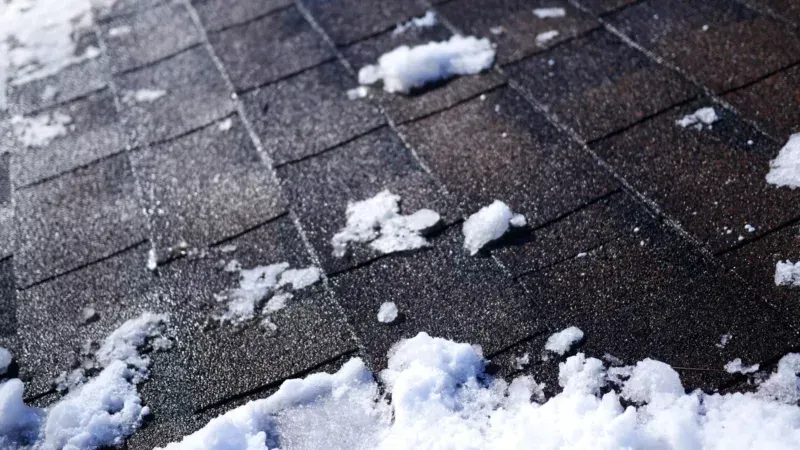
Choosing the right roofing material for your home is a major decision—it impacts your home’s curb appeal, energy efficiency, long-term durability, and your wallet. If you’re a homeowner in Troy, MI, where seasonal extremes like snow, hail, and summer storms are part of life, the decision carries even more weight. So, how do you know which roofing material is best suited for your property?
At
180 Contractors Roofing & Siding, we help homeowners every day navigate the many options available, ensuring their choice aligns with their home’s structure, style, budget, and Michigan’s challenging weather. In this blog, we’ll walk you through the most common roofing materials and what you should consider before making your investment.
Start with Your Climate and Regional Conditions
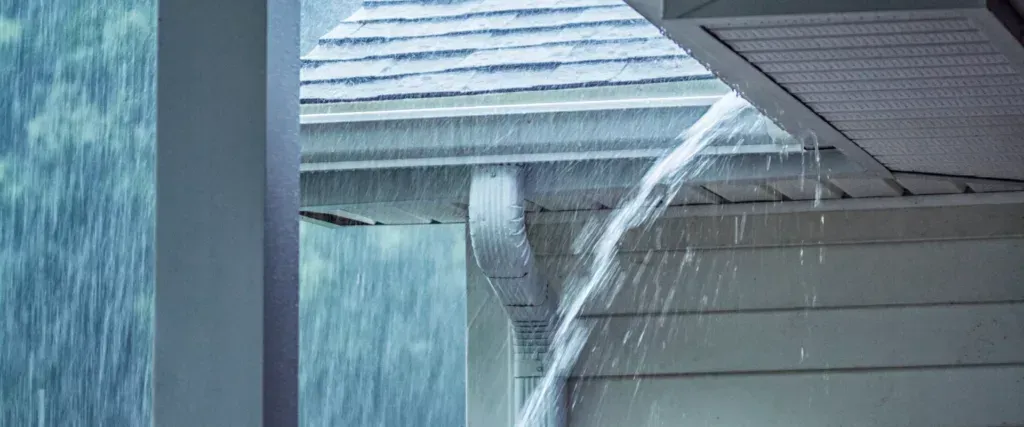
In Troy, MI, we experience a wide variety of weather—freezing winters, wet springs, and stormy summers. Your roofing material must handle:
- Snow loads and ice dams in winter
- Intense sun and UV exposure in summer
- Wind gusts and hail from seasonal storms
- Sudden temperature fluctuations year-round
Some materials, such as traditional asphalt shingles, perform well in these conditions, while others may not offer the same level of resilience.
Asphalt Shingles: Affordable and Adaptable
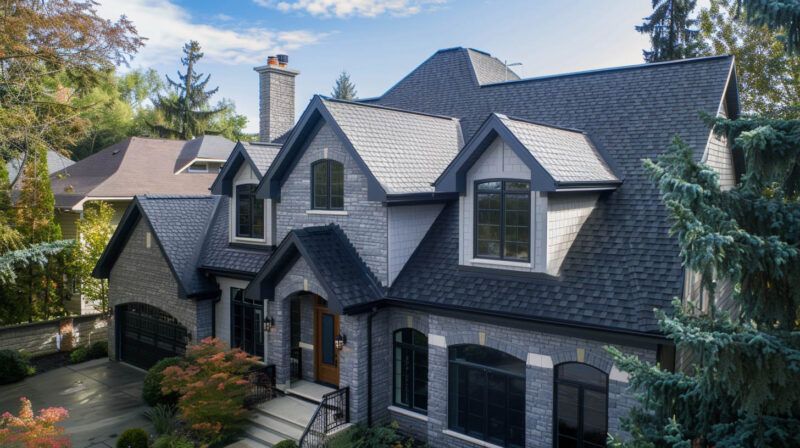
Asphalt shingles remain the most popular roofing option for good reason. They’re cost-effective, relatively easy to install, and come in a wide range of colors and styles. Architectural (or dimensional) asphalt shingles offer added thickness and durability, making them a great option for Michigan homeowners.
Pros:
- Budget-friendly
- Available in many colors and styles
- Easy to repair or replace
- Moderate lifespan (15–30 years)
Cons:
- Vulnerable to extreme heat over time
- Can suffer granule loss during hailstorms
When installed by certified professionals using trusted brands like Owens Corning, asphalt shingles can deliver impressive performance even in harsh climates.
Metal Roofing: Built for Longevity
Metal roofs are gaining popularity across Michigan thanks to their impressive durability and long lifespan—up to 50 years or more. They’re resistant to fire, rot, insects, and extreme weather.
Pros:
- Exceptional wind and hail resistance
- Reflective surfaces reduce cooling costs in summer
- Long lifespan with minimal maintenance
- Eco-friendly and often made from recycled materials
Cons:
- Higher upfront cost than asphalt
- Can be noisy without proper insulation
- Requires professional installation to prevent leaks
For homes in Troy facing frequent storms, a metal roof can be a worthwhile long-term investment.
Wood Shakes: Classic Charm, But High Maintenance
Wood shake roofs offer a rustic, natural appearance that many homeowners love. However, they require significant upkeep to prevent rot, moss growth, and insect infestations—particularly in wet or snowy climates.
Pros:
- Beautiful, traditional aesthetic
- Natural insulation properties
Cons:
- Prone to moisture damage and fire
- Needs frequent treatment and maintenance
- Shorter lifespan compared to metal or tile
While wood may be more suited to dry, warm climates, it can work in Michigan if you’re committed to upkeep and opt for treated cedar shakes.
Tile Roofing: Elegant and Durable
Tile roofs (clay, concrete, or synthetic) offer an upscale look and excellent durability. They’re especially effective in hot climates but can also work in cold weather when properly installed.
Pros:
- Very long lifespan (50+ years)
- Fire- and insect-resistant
- Great insulation and energy efficiency
Cons:
- Heavy—your roof must support the weight
- Expensive upfront
- Fragile under impact (like hail)
In Michigan, tile roofing is less common but can be used with proper structural support and the right type of tile.
Synthetic Roofing: Modern Materials with Classic Looks
Synthetic shingles (also called composite roofing) mimic the look of wood, slate, or tile but are made of engineered polymers designed to last.
Pros:
- Lightweight and strong
- Impact- and wind-resistant
- Low maintenance
- Wide variety of appearances
Cons:
- Mid-to-high price point
- Newer product—long-term performance still being evaluated
For homeowners who want the look of luxury without the cost or maintenance, synthetic materials offer a compelling alternative.
Other Key Factors to Consider
In addition to weather resistance and cost, consider:
- Energy efficiency: Reflective or light-colored roofing helps reduce summer cooling costs
- Aesthetics:
Choose a material that complements your home’s architectural style
- HOA restrictions:
Some neighborhoods limit roofing materials or colors
- Resale value:
A high-quality roof can increase your home’s market appeal
Always Choose Certified Installation
Even the best roofing material won’t perform well if installed improperly. That’s why it’s vital to work with a certified contractor like 180 Contractors Roofing & Siding, who installs top-tier materials like Owens Corning shingles and follows best practices for durability, energy performance, and long-term value.
Final Thoughts: The Best Roof Is One That Works for You
There’s no one-size-fits-all answer to the best roofing material—it depends on your priorities, home design, budget, and local weather. But with the right guidance and quality craftsmanship, you can choose a roof that not only protects your home but adds beauty and value for decades to come.
Read also our blog:
Storm-Induced Ceiling Stains: What to Do Immediately